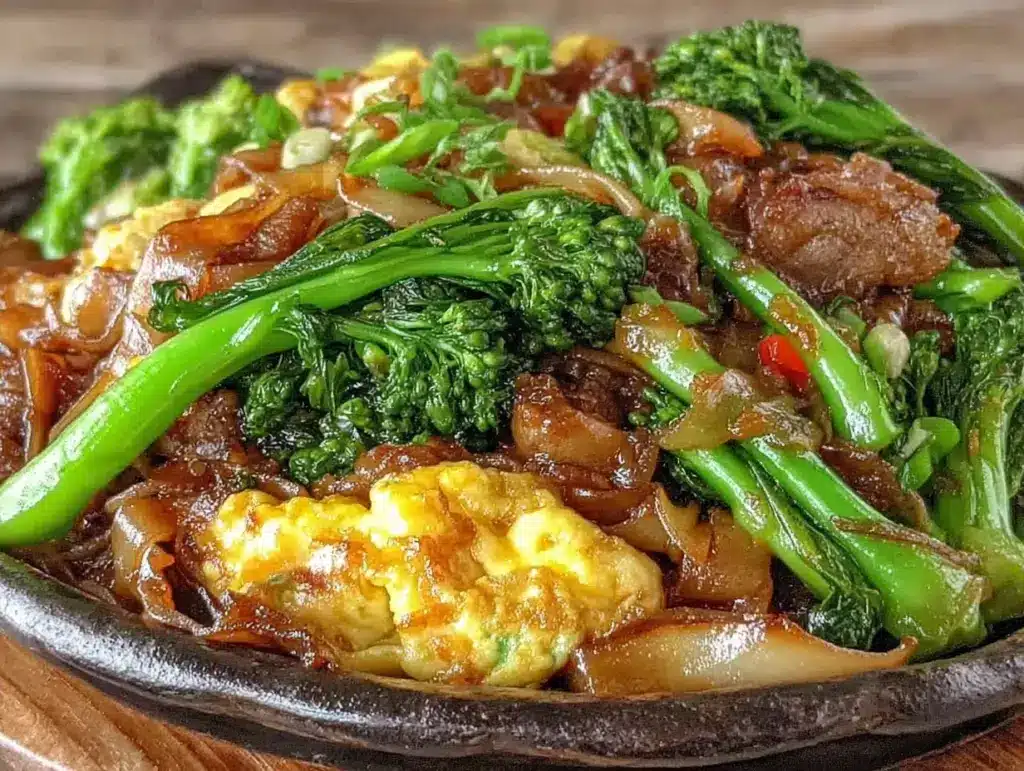
I have to be honest with you. For years, I was terrified of pad see ew. I ordered it at every Thai restaurant I could find, staring at those wide, flat rice noodles coated in this dark, glossy sauce, wondering how they got that perfect smoky char without burning the kitchen down. I assumed it required a wok the size of a swimming pool, a flame hotter than the sun, and years of culinary training.
Then I made it in my apartment kitchen with a regular skillet, and I realized something huge: you really can’t mess this up.
This isn’t about trying to replicate a street vendor in Bangkok perfectly. It’s about getting that same addictive, sweet-savory, chewy, slightly charred flavor that hits you the moment you take the first bite. And the best part? It’s a one-pan wonder. I’m talking wide rice noodles, tender Chinese broccoli (or any green you like), and a sauce that comes together in seconds. If you can only make one thing this week, make this. It’s forgiving, it’s fast, and it tastes better than takeout.
I’ve tested this traditional Thai pad see ew with Chinese broccoli recipe about a dozen times now. I’ve tweaked the sauce ratios, experimented with different heat levels, and even tried using regular broccoli when I couldn’t find the Chinese variety. Every time, the result is the same: my family clears the plate, my husband asks for seconds, and I feel like a genius for having whipped it up in under 30 minutes.
So, let’s ditch the takeout menu. You’re going to love this recipe for how simple it is and how incredible it tastes.
Why You’ll Love This Pad See Ew Recipe
There are a few reasons this has become a permanent fixture in our weekly rotation, but here’s the real talk on why it works so well for home cooks.
It’s Actually One Pan — No, seriously. I know pad see ew sounds complicated, but it’s basically just stir-frying. You cook the noodles, you cook the greens, you mix the sauce, and you combine it all in one big skillet. One pan to wash. That’s it. I’ve made this after a long day when I just didn’t have the energy to tackle a mountain of pots and pans.
Forgiving Sauce Balance — The sauce is the star here. It’s a mix of dark soy sauce, light soy sauce, oyster sauce, and a touch of sweetness from sugar or palm sugar. I’ve found that if you’re slightly off on the measurements, it still tastes amazing. It’s salty, sweet, and savory all at once. It’s hard to get wrong.
Chinese Broccoli is a Game-Changer — I know it looks intimidating, but it’s just bitter, crunchy, and delicious. If you can’t find it, regular broccoli works, but the thick stems of Chinese broccoli (gai lan) hold up better to high heat. They get slightly caramelized and add a texture you won’t find in regular stir-fries.
Wide Noodles = Comfort Food — There’s something so satisfying about wide rice noodles. They’re chewy, they soak up the sauce, and they feel indulgent. But because they’re just rice flour and water, they’re naturally gluten-free (if you use tamari instead of soy sauce). It’s a cozy, filling meal that doesn’t leave you feeling heavy or sluggish.
Quick Cleanup — This is my go-to when I want to eat well but don’t want to spend hours in the kitchen. From start to finish, it’s about 20-25 minutes. Active cooking time is maybe 15 minutes. The rest is just waiting for the water to boil or the noodles to soften. It’s low-stress, high-reward cooking.
Ingredients You’ll Need
Here’s the thing: you probably have most of these ingredients already. Pad see ew is famous for using pantry staples, but a few specific ones make all the difference.
For the Noodles
Dried wide rice noodles (8 ounces / 225g) — Look for packages labeled “sen yai” or “wide rice sticks.” They’re the flat noodles you see in restaurants. Don’t use vermicelli (thin noodles) unless you want a completely different dish. Soak them in warm water for 30 minutes before cooking. This softens them so they don’t break in the pan.
Oil (2 tablespoons) — I use vegetable or canola oil. You need a high smoke point because we’re going to crank up the heat. Olive oil isn’t going to cut it here.
For the Sauce
Dark soy sauce (2 tablespoons) — This is the secret ingredient. It gives pad see ew its deep black color and a slightly thicker, molasses-like sweetness. If you can’t find it, use regular soy sauce plus a teaspoon of brown sugar, but dark soy is best.
Light soy sauce (2 tablespoons) — This provides the salty umami flavor without the thickness. Don’t skip this one; it balances the dark soy.
Oyster sauce (2 tablespoons) — Adds depth and richness. It’s not fishy; it’s savory and sweet. If you’re vegetarian, use mushroom sauce instead.
White sugar (1 tablespoon) — Or palm sugar if you have it. Sugar is crucial. It caramelizes in the pan and gives you that charred flavor. Don’t be shy with it.
Water (2 tablespoons) — Just helps thin the sauce slightly so it coats the noodles evenly.
White pepper (½ teaspoon) — This is non-negotiable for authentic flavor. It’s different from black pepper. It has a earthy, slightly floral heat. If you absolutely can’t find it, black pepper works, but you’ll miss that authentic kick.
For the Stir-Fry
Chinese broccoli (Gai Lan) (2 large bunches) — Cut into 2-inch pieces. Keep the stems and leaves. The stems take longer to cook, so I slice them diagonally to help them cook faster. If you can’t find it, use broccoli rabe or regular broccoli florets with thick stems.
Eggs (2 large) — Scrambled directly in the pan. This adds protein and makes the dish more filling. I push the noodles to the side, scramble the eggs in the empty space, and then mix them back in.
Garlic (3 cloves, minced) — Fresh garlic only. Jarred garlic doesn’t have the same punch for stir-frying.
Protein (Optional) — I often add sliced chicken breast, shrimp, or beef. If you’re keeping it vegetarian, skip the protein or add tofu. For chicken, I like to use thighs for more flavor, but breast works fine if you don’t overcook it.
Equipment Needed
You don’t need fancy gear. Here’s what I actually use.
Large Skillet or Wok — I use a 12-inch non-stick skillet. It’s easier to clean than a wok and gives you plenty of surface area. If you have a wok, great, but a skillet works perfectly fine.
Bowl for Soaking — Just a medium bowl to soak the noodles in warm water.
Spatula — A silicone spatula is best for scraping the bottom of the pan and mixing everything together without scratching the pan.
Tongs — Helpful for tossing the noodles and greens together.
Sauce Bowl — Mix your sauce in a small bowl before you start cooking. This is crucial because stir-frying moves fast, and you don’t want to be measuring ingredients while your garlic is burning.
How to Make It: Step-by-Step
Alright, let’s make this! I’m walking you through exactly how I do it, including the little tricks I’ve picked up over the years.
Step 1: Soak the Noodles
Place the dried wide rice noodles in a large bowl and cover them with warm (not boiling) water. Let them soak for 30 minutes. You want them pliable, not hard. If they’re still too stiff after 30 minutes, give them another 10 minutes. Drain well and set aside. This step prevents them from breaking in the pan and ensures they cook evenly.
Step 2: Mix the Sauce
In a small bowl, whisk together the dark soy sauce, light soy sauce, oyster sauce, sugar, white pepper, and water. Stir until the sugar is dissolved. Set aside. Having this ready before you turn on the heat is key. Stir-frying is fast, and you’ll be glad you didn’t have to stop mid-cook to measure ingredients.
Step 3: Prep the Vegetables
Wash and trim the Chinese broccoli. Cut the stems into 1-inch pieces and chop the leaves. Mince the garlic. If you’re using protein, slice it thinly. I like to marinate the chicken briefly in a teaspoon of soy sauce if I have time, but it’s not required.
Step 4: Scramble the Eggs
Heat your skillet over medium-high heat. Add 1 tablespoon of oil. Once the oil is shimmering, pour in the beaten eggs. Scramble them quickly until just set but still soft. Remove the eggs from the pan and set them aside on a plate. Don’t overcook them; they’ll go back in later.
Step 5: Cook the Aromatics and Greens
Add the remaining 1 tablespoon of oil to the pan. Increase the heat to high. Add the garlic and stir-fry for 30 seconds until fragrant. Then add the Chinese broccoli stems first (since they take longer), followed by the leaves. Stir-fry for 2-3 minutes until the greens are wilted but still crisp-tender. If you’re using protein, add it now and cook until done.
Step 6: Add the Noodles and Sauce
Add the drained noodles to the pan. Pour the sauce mixture over the noodles. Use tongs to toss everything together. The noodles will absorb the sauce quickly. Cook for 2-3 minutes, tossing constantly. You want the noodles to get some char. If the pan is too crowded, the noodles will steam instead of fry. If you have a large pan, you’re good. If not, cook in batches.
Step 7: Combine and Serve
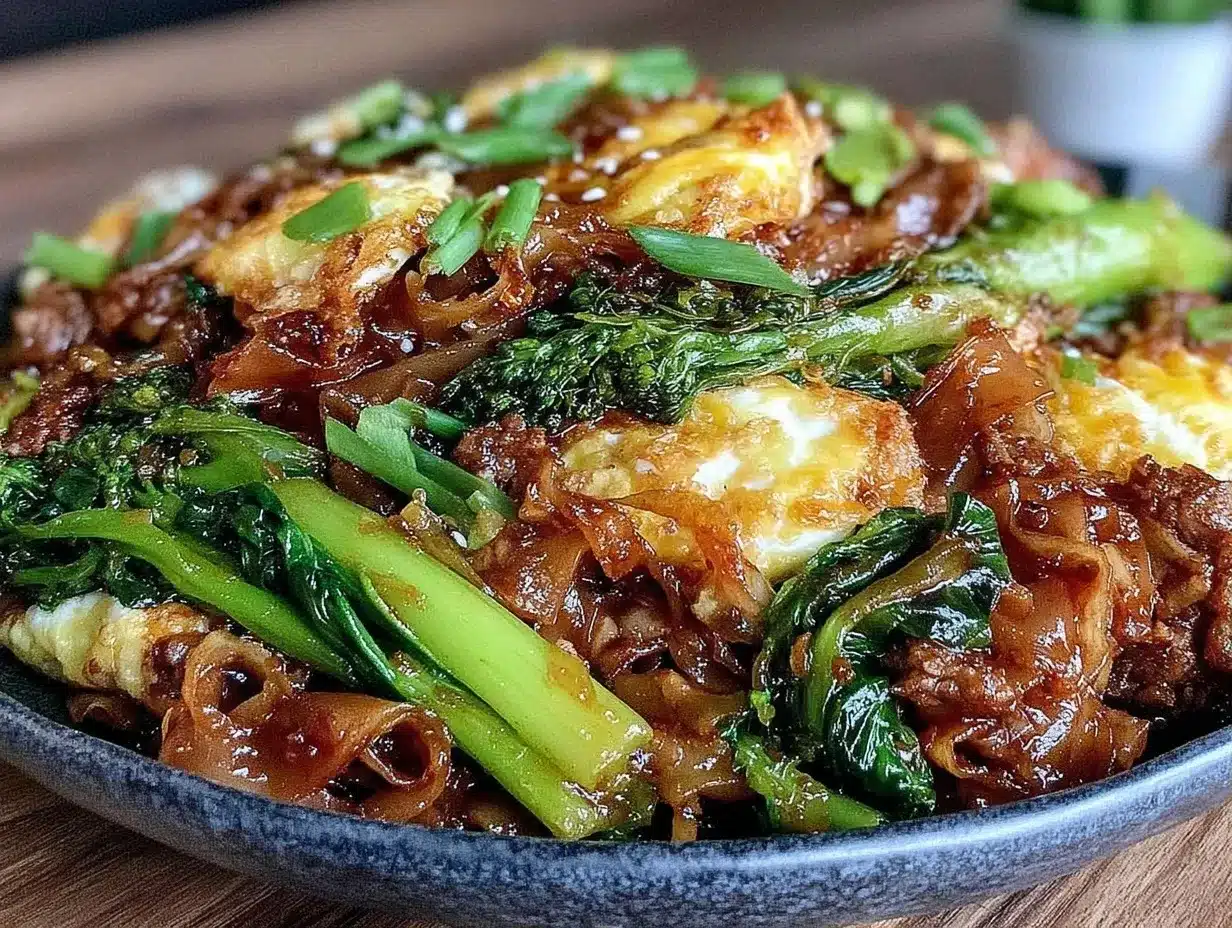
Return the scrambled eggs to the pan. Toss everything together one last time. Taste and adjust seasoning if needed. Add more sugar if you want it sweeter, or more soy sauce if you want it saltier. Serve immediately while hot. Garnish with a squeeze of lime or a sprinkle of chili flakes if you like heat.
Total Time: About 30 minutes (10 minutes prep, 20 minutes cooking)
Expert Tips & Tricks
Here’s everything I’ve learned from making this dozens of times. These tips will save you from my mistakes.
Don’t Skip the Soak — Cooking dried wide rice noodles directly in the pan is a recipe for disaster. They’ll break, stick, and cook unevenly. Soaking them in warm water is the foolproof way to get that perfect chewy texture.
High Heat is Key — Pad see ew gets its flavor from caramelization. You want the sauce to bubble and reduce quickly, coating the noodles in a glossy glaze. If your heat is too low, the noodles will get mushy and the sauce will be thin. Crank it up!
Use Dark Soy Sauce — I know it’s hard to find in some stores, but it’s worth the hunt. It gives the dish its signature color and depth. If you can’t find it, mix regular soy sauce with a little brown sugar and cornstarch, but the flavor won’t be quite the same.
Don’t Overcrowd the Pan — If you’re cooking for a crowd, cook in batches. Overcrowding lowers the temperature of the pan, which leads to steaming instead of frying. Your noodles will lose that nice char.
Reserve Some Noodle Water — If your noodles seem dry after tossing with sauce, add a splash of the soaking water. It’s starchy and helps the sauce cling to the noodles.
Variations & Substitutions
Once you’ve nailed the basic version, here’s how you can mix it up. I’ve tried all of these.
Chicken Pad See Ew — Add sliced chicken breast or thighs. I like to sear the chicken first, remove it, and then cook the noodles and greens. Add the chicken back in at the end. This keeps the chicken tender.
Shrimp Pad See Ew — Sauté shrimp for 2-3 minutes until pink, then remove. Cook noodles and greens, then add shrimp back in at the end. Shrimp cooks quickly, so don’t overcook it.
Vegetarian Pad See Ew — Skip the oyster sauce and use mushroom sauce instead. Add extra veggies like mushrooms, bell peppers, or bean sprouts. It’s just as delicious.
Spicy Pad See Ew — Add chili flakes or sliced fresh chilies when you sauté the garlic. Or drizzle with Sriracha or chili garlic sauce after cooking.
Gluten-Free Pad See Ew — Rice noodles are naturally gluten-free. Just make sure to use tamari instead of soy sauce and check that your oyster sauce is gluten-free (some brands contain wheat).
Serving & Storage
How to Serve: I usually serve this straight from the skillet. It looks rustic and stays warm. Pair it with a simple cucumber salad or a bowl of hot and sour soup. For a drink, I like something light and refreshing, like raspberry peach iced tea to cut through the richness.
Storage: Store leftovers in an airtight container in the fridge for up to 3 days. The noodles will absorb more sauce and become softer, which some people love.
Reheating: Reheat in a skillet with a splash of water or broth to loosen the noodles. Microwave works too, but the texture might get a bit mushy. Add a squeeze of lime after reheating to brighten the flavors.
Freezing: I don’t recommend freezing pad see ew. The noodles tend to break down and become grainy when thawed. It’s best enjoyed fresh.
Nutrition Information
I’m not a nutritionist, but here’s the breakdown if you’re tracking. This is per serving (based on 4 servings).
- Calories: 450
- Protein: 12g
- Carbs: 65g
- Fiber: 3g
- Sugar: 8g
- Fat: 14g
Look, this is comfort food. It’s got carbs from the noodles and sugar from the sauce. But it’s also got veggies and protein. When I want to make it lighter, I use more greens and less oil. But usually? I just enjoy it. It’s a treat.
Final Thoughts
So that’s my take on traditional Thai pad see ew with Chinese broccoli. It’s simple, it’s flavorful, and it’s surprisingly easy to make at home. I hope you give it a try. It’s one of those recipes that makes you feel like a pro chef without any of the stress.
If you make this, let me know how it turns out! I love hearing from you. And if you’re looking for more easy weeknight dinners, check out my creamy chicken and wild rice soup for a cozy alternative.
Happy cooking! I hope your kitchen smells amazing.
Frequently Asked Questions
Can I use fresh rice noodles instead of dried?
Yes! Fresh rice noodles are softer and don’t need soaking. Just rinse them under cold water to remove excess starch and add them directly to the pan. They cook very quickly, so watch them closely.
Why is my pad see ew too salty?
Dark soy sauce and oyster sauce are both salty. If your sauce is too salty, add a little more sugar or a squeeze of lime to balance it. Next time, use less soy sauce or dilute it with a little more water.
Can I make this ahead of time?
I don’t recommend making the noodles ahead because they can stick together. You can prep the sauce and chop the veggies ahead of time, which makes the actual cooking even faster.
What if I can’t find Chinese broccoli?
Use regular broccoli, broccoli rabe, or even bok choy. The flavor will be slightly different, but it will still be delicious. Just adjust the cooking time based on the vegetable you choose.
Is pad see ew spicy?
Traditional pad see ew isn’t spicy. It’s sweet and savory. But you can add chili flakes, fresh chilies, or chili garlic sauce if you like heat. It’s up to your preference.
Can I use tamari instead of soy sauce?
Yes, tamari is a great gluten-free alternative to soy sauce. It has a slightly richer flavor, which works well in this dish.
Pin This Recipe!
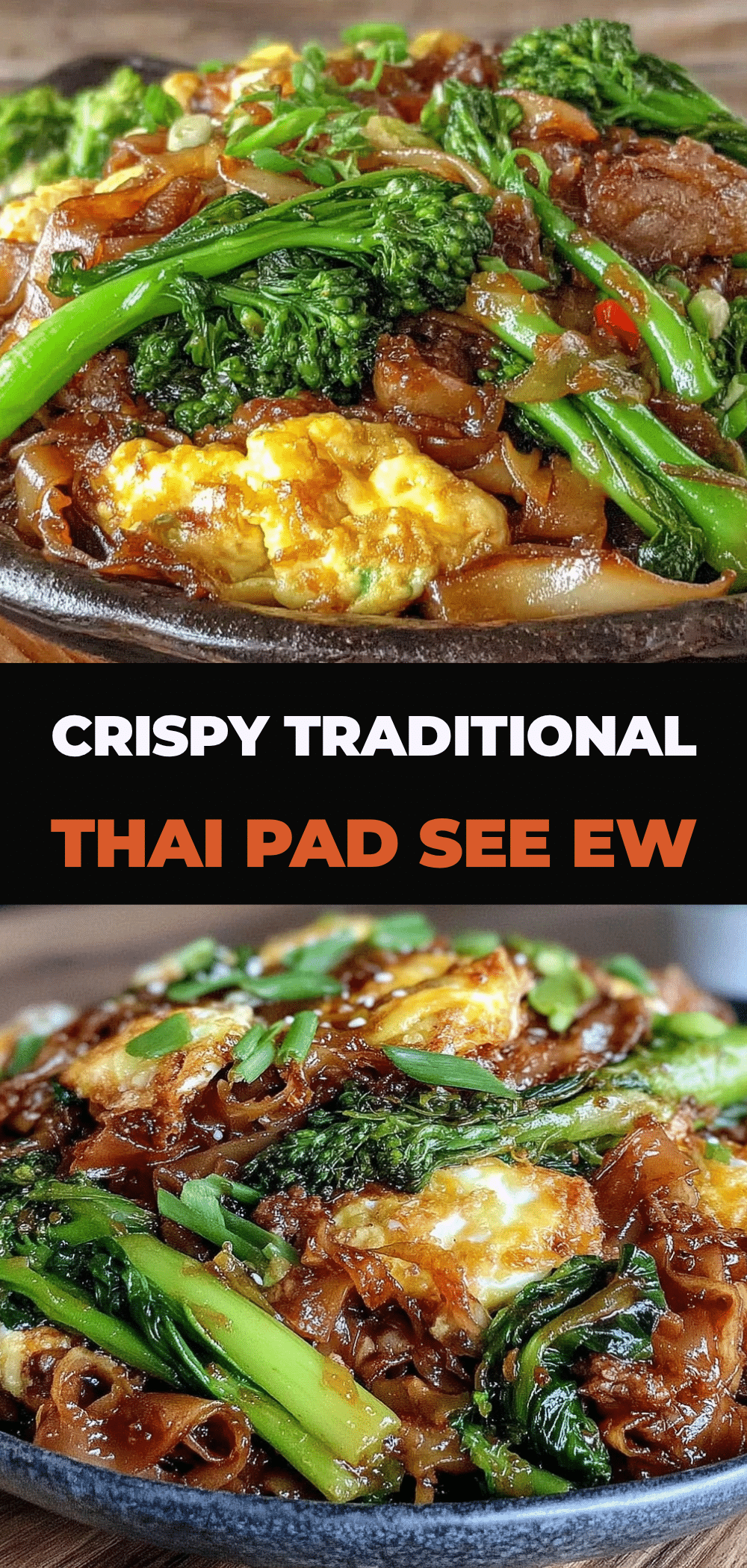
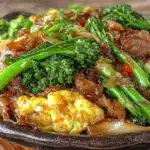
Traditional Thai Pad See Ew: The Foolproof One-Pan Recipe Youll Make on Repeat
- Total Time: 30 minutes
- Yield: 4 servings 1x
Description
A forgiving, one-pan Thai stir-fry featuring wide rice noodles, Chinese broccoli, and a sweet-savory dark soy sauce. This recipe delivers authentic smoky char and restaurant-quality flavor in under 30 minutes.
Ingredients
- 8 ounces (225g) dried wide rice noodles (sen yai)
- 2 tablespoons vegetable or canola oil
- 2 tablespoons dark soy sauce
- 2 tablespoons light soy sauce
- 2 tablespoons oyster sauce
- 1 tablespoon white sugar (or palm sugar)
- 2 tablespoons water
- 1/2 teaspoon white pepper
- 2 large bunches Chinese broccoli (Gai Lan), cut into 2-inch pieces
- 2 large eggs, beaten
- 3 cloves garlic, minced
- Optional protein: sliced chicken breast, shrimp, or beef
Instructions
- Place dried wide rice noodles in a large bowl and cover with warm water. Soak for 30 minutes until pliable, then drain well.
- In a small bowl, whisk together dark soy sauce, light soy sauce, oyster sauce, sugar, white pepper, and water until sugar is dissolved. Set aside.
- Wash and trim Chinese broccoli, cutting stems into 1-inch pieces and chopping leaves. Mince garlic. Slice optional protein thinly if using.
- Heat a large skillet or wok over medium-high heat. Add 1 tablespoon oil. Pour in beaten eggs and scramble quickly until just set. Remove eggs from pan and set aside.
- Add remaining 1 tablespoon oil to the pan and increase heat to high. Add garlic and stir-fry for 30 seconds until fragrant.
- Add Chinese broccoli stems first, followed by leaves. Stir-fry for 2-3 minutes until wilted but crisp-tender. Add optional protein now if using and cook until done.
- Add drained noodles to the pan. Pour sauce mixture over noodles. Use tongs to toss everything together for 2-3 minutes until noodles absorb sauce and develop some char.
- Return scrambled eggs to the pan. Toss everything together one last time. Taste and adjust seasoning if needed. Serve immediately.
Notes
Do not skip soaking the noodles; this prevents them from breaking and ensures even cooking. Use high heat to achieve the signature charred flavor. If the pan is crowded, cook in batches to avoid steaming. Reserve some noodle soaking water to add if the dish seems dry. For a gluten-free version, use tamari instead of soy sauce and ensure oyster sauce is gluten-free.
- Prep Time: 10 minutes
- Cook Time: 20 minutes
- Category: Main Course
- Cuisine: Thai
Nutrition
- Serving Size: 1 plate per serving
- Calories: 450
- Sugar: 8
- Sodium: 1200
- Fat: 14
- Saturated Fat: 3
- Carbohydrates: 65
- Fiber: 3
- Protein: 12
Keywords: Thai food, pad see ew, rice noodles, one-pan dinner, stir fry, Chinese broccoli, gai lan, easy weeknight dinner, gluten-free option