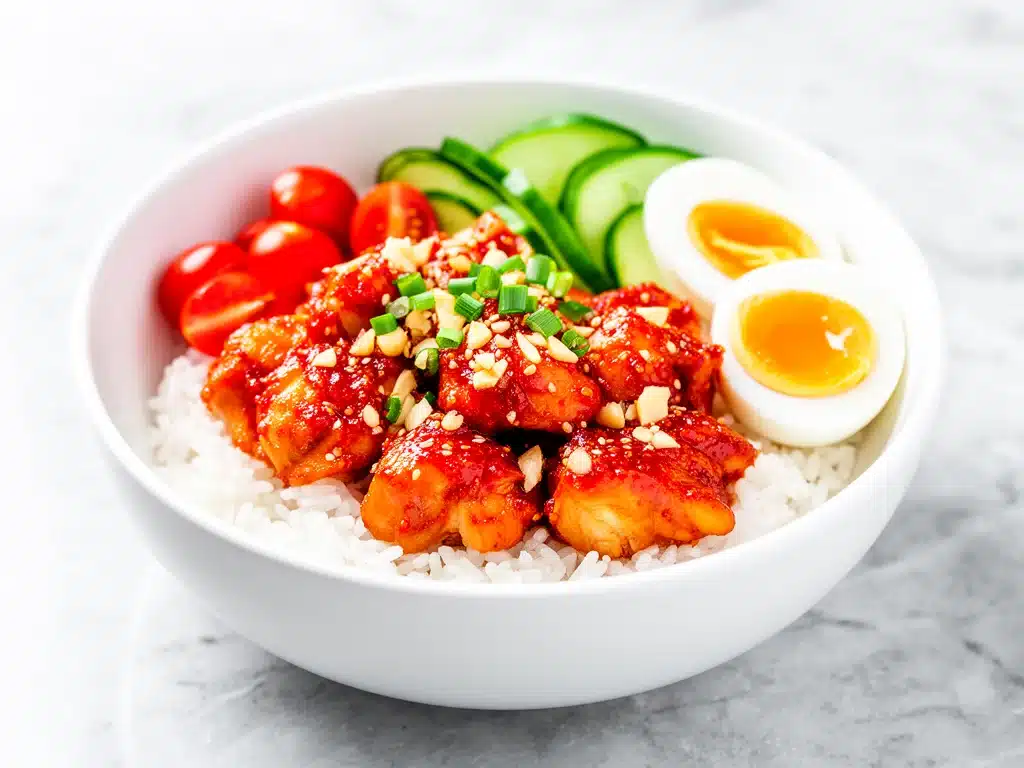
Last Tuesday, I came home from work feeling like my battery was at 1%. You know that feeling. My brain was mush, my stomach was growling, and the last thing I wanted to do was stand over a stove for an hour. I opened the fridge and stared at a lonely chicken breast, a jar of gochujang I’d bought three months ago and forgot about, and a bag of rice that was slightly stale. I didn’t want takeout—my wallet was already crying—but I didn’t have the energy for anything complicated.
So I threw together what I now call my “emergency rescue meal.” I whipped up a quick sauce, pan-seared the chicken until it was caramelized and spicy, and piled it over rice with whatever veggies I had lying around. Twenty minutes later, I was eating the most comforting, fiery, savory bowl of food, and my mood had completely shifted. It was warm, it was satisfying, and it tasted like I’d ordered from a trendy spot in Seoul instead of my own kitchen.
That was the birth of these Spicy Korean Gochujang Chicken Bowls. I’ve made them at least fifteen times since that night, tweaking the spice level and testing different toppings, and they have firmly taken over my weeknight rotation. There is something so deeply satisfying about that sticky, spicy sauce coating every bite. It’s the perfect balance of heat, sweetness, and umami that hits the spot when you’re too tired to think.
If you’re stuck in a dinner rut or just need a meal that comes together faster than delivery, you need to try this. It’s healthy-ish (yes, really), it’s budget-friendly, and it tastes like a treat. I’m going to walk you through exactly how I make these bowls, including the little shortcuts that keep them fast without sacrificing flavor. Trust me, once you taste this, you’ll be adding gochujang to your pantry staples permanently.
Why You’ll Love This Recipe
Okay, so why should you make this instead of ordering Thai or Indian again? Here’s the real talk on why these Spicy Korean Gochujang Chicken Bowls have earned a permanent spot in my kitchen.
It’s Actually Fast — I’m not talking about “prep-heavy” fast. I mean 20 minutes from fridge to fork. The sauce takes two minutes to whisk, the chicken cooks in six, and the rice is probably already done. This is the ultimate weeknight hero when time is tight.
Flavor Bomb in Every Bite — Gochujang is a fermented chili paste, and it’s got this deep, funky, spicy-sweet profile that’s hard to replicate. When you mix it with a little soy sauce, sesame oil, and sweetener, it becomes this addictive glaze. You’ll find yourself scraping the plate clean.
Super Versatile — Think of this as a template, not a rigid rule. Got zucchini? Throw it in. Love bok choy? Great. Don’t like cilantro? Skip it. I’ve made this with shrimp, tofu, and even leftover roast chicken. The sauce works with almost anything.
Meal Prep Friendly — This is my secret weapon for Sunday prep. The chicken and sauce actually taste better the next day as the flavors meld. I portion them out into containers, and suddenly my lunches are exciting again. No more sad desk salads.
Healthy-ish Comfort — It’s not a diet food, but it’s not junk food either. You’re getting lean protein, veggies, and complex carbs. It’s filling without that heavy, sluggish feeling you get after a greasy takeout meal. Plus, you control the sugar and sodium levels.
Budget-Smart — Chicken thighs or breasts, rice, and a few veggies cost way less than a single order of delivery. And that jar of gochujang? It lasts forever in your fridge. You’re investing in a flavor base that pays dividends for months.
This recipe is my go-to when I need dinner to just work. It’s reliable, it’s delicious, and it makes me feel like a good cook even on my worst days.
Ingredients You’ll Need
Here’s the best part: you probably have half of this already. Gochujang might be the one new item, but it’s worth the trip to the Asian grocery store or online. Once you have it, you’re set for a lot of different Korean-inspired dishes.
For the Protein:
Chicken (1.5 pounds / 680g) — I prefer boneless, skinless chicken thighs because they stay juicy and don’t dry out like breasts. But if you’re watching calories, chicken breasts work fine too—just don’t overcook them. Cut them into bite-sized pieces for faster cooking.
For the Gochujang Sauce:
Gochujang paste (3 tablespoons) — This is the star. It’s a fermented red chili paste. Look for it in the Asian aisle. Don’t substitute with gochugaru (flakes) or sriracha—it’s a different texture and flavor profile entirely. Sambal oelek is a poor substitute; it lacks the sweetness and depth.
Soy sauce (2 tablespoons) — I use low-sodium soy sauce so I can control the saltiness. Regular works, just reduce any added salt later. Coconut aminos work for a gluten-free option.
Maple syrup or honey (1 tablespoon) — You need sweetness to balance the heat. Maple syrup adds a nice floral note, but honey works too. Brown sugar is fine if you’re in a pinch, but liquid sweetener blends easier.
Sesame oil (1 teaspoon) — Toasted sesame oil is non-negotiable. It adds that nutty aroma that defines Korean cuisine. Make sure it’s toasted, not just regular sesame oil.
Rice vinegar (1 teaspoon) — Adds brightness and acidity. If you don’t have rice vinegar, white wine vinegar or apple cider vinegar works in a pinch.
Garlic (3 cloves, minced) — Fresh garlic is key. Jarred garlic has a weird metallic taste that clashes with the delicate fermentation of the gochujang.
Fresh ginger (1 teaspoon, grated) — Fresh ginger adds warmth and zing. Powdered ginger is too dusty and strong; stick to fresh if you can.
Water (2-3 tablespoons) — Helps thin the sauce so it coats the chicken nicely without being too thick or sticky.
For the Bowls:
Cooked rice (4 cups) — Jasmine or short-grain Japanese rice is traditional. Jasmine is easier to find and works great. For a lower-carb option, cauliflower rice is a decent swap, though the texture is different.
Vegetables (4 cups total) — I love a mix of textures. Shredded carrots, sliced cucumbers, steamed broccoli, or sautéed spinach all work. Keep it colorful—it makes the bowl more appealing.
Green onions (2-3 stalks, sliced) — For garnish and a fresh onion bite.
Sesame seeds (1 tablespoon) — Toasted sesame seeds add a nice crunch and nutty flavor. White or black, or a mix, both look pretty.
Optional Add-ins:
Fried egg (1 per bowl) — A runny yolk adds richness and makes it feel like a full meal. I do this on weekends when I have more time.
Avocado (½, sliced) — The creaminess balances the spice perfectly.
Pickled vegetables — Pickled radish or kimchi adds a tangy crunch that cuts through the rich sauce.
Equipment Needed
You don’t need anything fancy for this. Here’s what I actually use in my kitchen.
Large skillet or wok — I use a 12-inch non-stick skillet. It needs to be wide enough to spread the chicken out so it sears instead of steams. A wok works too, but you need to be careful not to burn the sauce if it’s very sweet.
Small bowl — For whisking the sauce. Any small bowl works.
Sharp knife and cutting board — For chopping the chicken and veggies. Sharp knives make this easier and safer.
Measuring spoons — For the sauce ingredients. Accuracy matters here because the balance of sweet, salty, and spicy is key.
Rice cooker or pot — For cooking the rice. If you’re using instant rice, skip this step entirely.
Grater — For the ginger. A microplane is great, but a box grater works too.
Spatula — A silicone spatula is best for scraping the sauce and stirring without scratching your pan.
How to Make It: Step-by-Step
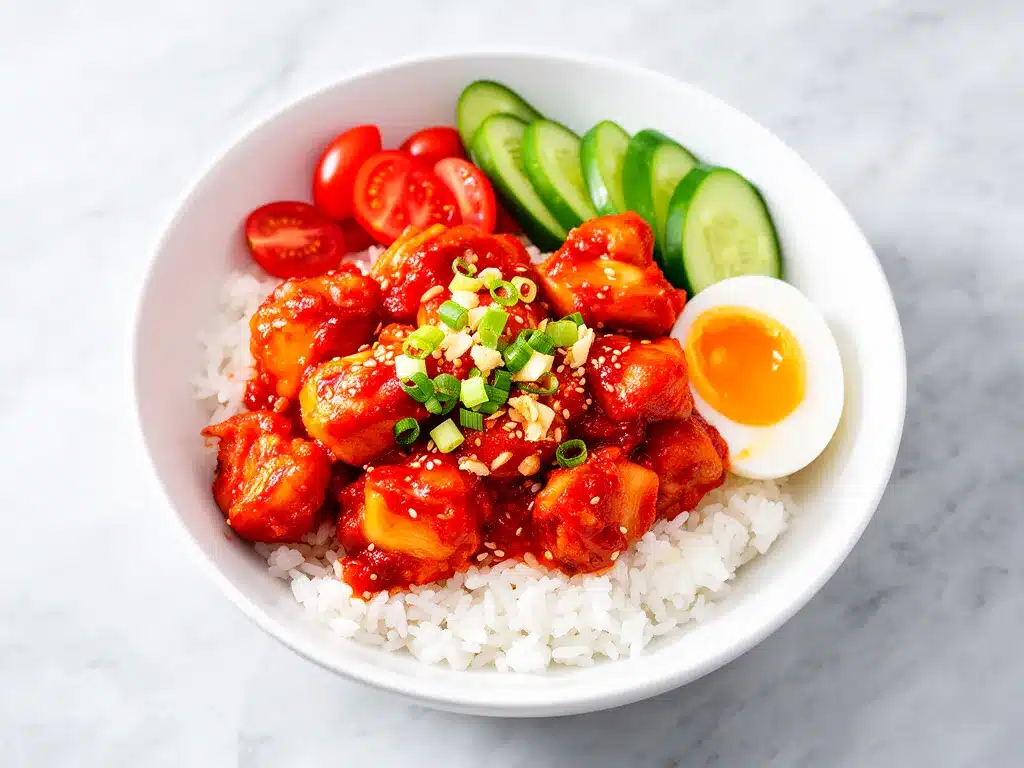
Alright, let’s make this! I’m walking you through exactly how I do it, including the little tricks I’ve picked up over time.
Step 1: Prep Your Chicken (5 minutes)
Pat your chicken pieces dry with paper towels. This seems minor, but dry chicken sears better. If the chicken is wet, it steams. Cut the chicken into bite-sized pieces, about 1-inch cubes. Season them lightly with salt and pepper. This gives the chicken a base layer of flavor before it hits the sauce.
Step 2: Make the Sauce (2 minutes)
In a small bowl, whisk together the gochujang, soy sauce, maple syrup, sesame oil, rice vinegar, minced garlic, grated ginger, and water. Whisk until smooth and combined. The sauce should be thick but pourable. If it’s too thick, add another tablespoon of water. Taste it—it should be spicy, sweet, and salty. Adjust to your preference.
Step 3: Cook the Chicken (6-8 minutes)
Heat a large skillet over medium-high heat. Add a teaspoon of oil (vegetable or canola) to the pan. Once the oil is shimmering, add the chicken pieces in a single layer. Don’t overcrowd the pan; cook in batches if needed. Let the chicken cook undisturbed for 2-3 minutes to get a nice sear. Then, stir and cook for another 3-4 minutes until the chicken is cooked through and slightly caramelized. The edges should be browned and crispy.
Step 4: Add the Sauce (2 minutes)
Reduce the heat to medium-low. Pour the gochujang sauce over the chicken. Stir well to coat every piece. Let it simmer for 1-2 minutes. The sauce will thicken and become sticky as it reduces. You’ll see it bubbling and clinging to the chicken. If it looks too dry, add a splash of water. If it’s too wet, cook a minute longer. You want a glossy, sticky glaze.
Step 5: Prep the Veggies and Rice
While the chicken is cooking, get your rice ready. If you’re using fresh rice, fluff it with a fork. For the veggies, if you’re using raw veggies like cucumber or carrots, slice or shred them now. If you’re using harder veggies like broccoli, steam or sauté them quickly. The goal is to have everything ready to assemble.
Step 6: Assemble the Bowls
Divide the cooked rice among four bowls. Top with the spicy gochujang chicken. Arrange your veggies around the chicken. Garnish with sliced green onions and toasted sesame seeds. If you’re adding a fried egg or avocado, do it now.
Step 7: Serve
Serve immediately while the chicken is hot and the sauce is sticky. Encourage everyone to mix it all together before eating so every bite gets some sauce.
Total Time: About 20 minutes (5 minutes prep, 15 minutes cook)
Expert Tips & Tricks
Here’s everything I’ve learned from making this dozens of times. These tips will save you from my mistakes.
Don’t Skimp on the Gochujang
This is the flavor foundation. Cheap gochujang can taste flat or overly salty. I recommend brands like Maeul or CJ. They have a better balance of fermentation and spice. If you buy the cheap stuff, your sauce will taste one-dimensional.
Cut Chicken Evenly
Uniform pieces cook evenly. If you have tiny bits and huge chunks, the small ones will dry out before the big ones are cooked. Try to keep them all around 1-inch.
Control the Heat
Gochujang varies in spice level by brand. If you’re sensitive to heat, start with 2 tablespoons and add more to taste. You can always add more spice, but you can’t take it away. Add a little extra sweetener to balance high heat.
Toast Your Sesame Seeds
Raw sesame seeds are fine, but toasted sesame seeds have so much more flavor. Just pop them in a dry pan for 1-2 minutes until they smell nutty and turn golden. It’s a 2-minute step that makes a huge difference.
Use Leftover Rice
Freshly cooked rice is sticky and moist, which is great for bowls. But leftover rice, refrigerated overnight, is even better for fried rice versions. For these bowls, fresh rice is preferred for its soft texture, but day-old rice works if you add a splash of water when reheating.
Common Mistakes (and how to avoid them):
Mistake: Sauce is too thin
Fix: Let it simmer longer. The starch in the rice and the natural sugars in the gochujang will help thicken it. If it’s still too thin, add a cornstarch slurry (1 teaspoon cornstarch + 1 teaspoon water) and cook for another minute.
Mistake: Chicken is dry
Fix: You overcooked it. Chicken thighs are forgiving, but breasts can go from juicy to sawdust quickly. Remove the chicken from the pan once it’s cooked, then add the sauce, then return the chicken to coat. This prevents overcooking.
Pro Tricks I’ve Learned:
For Extra Flavor
Add a pinch of five-spice powder to the sauce. It adds a warm, aromatic depth that complements the ginger and garlic beautifully.
For Better Texture
Chill your veggies. If you’re using cucumber or radish, chill them in the fridge before serving. The cold crunch contrasts nicely with the hot chicken.
Make-Ahead Strategy
Make the sauce ahead and store in the fridge for up to 1 week. Cook the chicken fresh. This saves time on busy nights.
Variations & Substitutions
Once you’ve nailed the basic version, here’s how you can mix it up. I’ve tried all of these.
Tofu Version
Press extra-firm tofu, cut into cubes, and pan-fry until crispy. Then add the sauce. Tofu soaks up the sauce like a sponge. It’s a great vegetarian option.
Shrimp Bowls
Swap chicken for shrimp. Shrimp cooks in 2-3 minutes, so add the sauce right after the shrimp turn pink. Be careful not to overcook them.
Pork Version
Pork belly or pork shoulder works well. Cut into thin strips. Pork’s fat content pairs beautifully with the spicy sauce. It’s richer and more indulgent.
Vegetable-Loaded
Add 2 cups of sautéed mushrooms, zucchini, and bell peppers. Veggies add bulk and nutrients. I love adding spinach at the end to wilt it in.
Lighter Version
Use cauliflower rice instead of regular rice. Reduce the maple syrup to ½ tablespoon. It’s lower carb but still satisfying.
Dietary Modifications:
Gluten-Free
Use tamari instead of soy sauce. Check your gochujang label to ensure it’s gluten-free (some contain wheat). Most traditional gochujang is gluten-free, but always check.
Dairy-Free
This recipe is naturally dairy-free. Just ensure your gochujang doesn’t contain dairy additives (rare, but possible).
Vegan
Use tofu or tempeh instead of chicken. Use maple syrup instead of honey. Everything else is vegan-friendly.
Serving & Storage
How to Serve:
I usually serve this straight from the skillet at the dinner table—it looks rustic and stays warm. But here are other ways I’ve enjoyed it:
Side Dishes:
– Kimchi (obviously)
– Simple cucumber salad with vinegar and sesame oil
– Steamed bok choy with garlic
– Seaweed salad
Toppings Bar:
When I have guests, I put out: extra gochujang sauce, sliced green onions, toasted sesame seeds, chili flakes, lime wedges, and crispy fried onions. Everyone customizes their bowl.
Storage Instructions:
Refrigerator:
Store in an airtight container for up to 4 days. The chicken and sauce keep well. The rice can get hard, so add a splash of water when reheating.
Reheating:
Best method: Add to a skillet with a splash of water or broth over low heat. Stir until heated through and saucy again. Microwave method: Heat in 30-second intervals, stirring between. Add a splash of water if it’s too dry.
Freezing:
This doesn’t freeze well because of the rice texture. The chicken freezes okay, but the sauce can separate. Make it fresh or store in the fridge for up to 4 days.
Meal Prep:
Make the sauce on Sunday, store in the fridge. Cook chicken and rice fresh each night. Takes 10 minutes and tastes way better than fully reheated pasta.
Nutrition Information
I’m not a nutritionist, but here’s the breakdown if you’re tracking.
Per Serving (based on 4 servings):
– Calories: 450
– Protein: 35g
– Carbs: 50g
– Fiber: 2g
– Sugar: 8g
– Fat: 12g
– Saturated Fat: 3g
– Cholesterol: 90mg
– Sodium: 600mg
What’s Good:
– High protein from chicken
– Moderate carbs for energy
– Can add vegetables to boost nutrition
What to Know:
– Sodium can be high due to soy sauce and gochujang
– Contains gluten (unless using tamari)
My Take:
“Look, this is comfort food. It’s not a diet recipe. But it’s way better than takeout, costs less, and I know exactly what’s in it. When I want to make it lighter, I use cauliflower rice and less sauce. But usually? I just eat a reasonable portion and enjoy it.”
Final Thoughts
So that’s my go-to Spicy Korean Gochujang Chicken Bowls! I’ve probably talked your ear off at this point, but when you make a recipe this often, you have a lot to say about it.
This has saved weeknight dinners more times than I can count. It’s my answer to “what’s for dinner” when I’m tired, don’t want takeout, and still want something that tastes really good. My kids are happy, my husband’s happy, and I’m happy because I’m not stressed about cooking.
Make it yours! Try different add-ins, swap in your favorite vegetables, adjust the garlic (though more is always better in my opinion). The best recipes are the ones you adapt to your family’s tastes.
If you make this, drop a comment and let me know what you think! I love hearing how recipes turn out in your kitchen. And if something doesn’t work, tell me that too—I’m here to help troubleshoot.
Happy cooking! And I hope your kitchen smells half as good as mine does right now.
Frequently Asked Questions
Q: Can I use sriracha instead of gochujang?
A: You can, but the flavor will be different. Sriracha is vinegar-forward and garlic-heavy, while gochujang is fermented, sweet, and complex. If you must substitute, use 2 tablespoons sriracha and add 1 tablespoon of honey and 1 teaspoon of soy sauce to mimic the depth. But honestly, gochujang is worth seeking out.
Q: Why is my sauce too spicy?
A: Gochujang brands vary in heat. If it’s too spicy, add more sweetener (maple syrup or honey) and a splash of water to dilute it. You can also add a dollop of plain yogurt or sour cream to cool it down, though this changes the flavor profile slightly.
Q: Can I make this ahead for a dinner party?
A: Sort of. Make the sauce up to 2 days ahead and store in the fridge. Cook the chicken fresh right before serving (takes 10 minutes). Reheat the sauce gently and toss with hot chicken. It won’t be quite as good as fresh, but it’s close and saves you stress during the party.
Q: Why did my sauce get grainy?
A: This usually happens if the heat was too high when the sauce reduced, causing the sugar to crystallize. Keep the heat at medium-low when adding the sauce to the chicken. Stir constantly to prevent burning.
Q: Can I use jarred garlic?
A: You can, but fresh tastes so much better in this recipe. Jarred garlic has a weird metallic taste that really shows up in cream sauces. If you must use it, use half the amount because it’s stronger. But honestly, mincing 3 cloves takes like 2 minutes.
Q: How do I reheat leftovers without it getting dry?
A: Add a splash of water or broth to a skillet, add your leftover chicken and sauce, and heat gently over low heat, stirring frequently. The extra liquid brings back the saucy texture. Microwave sort of works but tends to dry it out.
Q: Can I double this recipe?
A: Absolutely! Double everything and use your biggest skillet. The cooking times stay the same. I do this when I’m meal-prepping or feeding a crowd. Just make sure your pan is big enough for the chicken to sear, not steam.
Pin This Recipe!
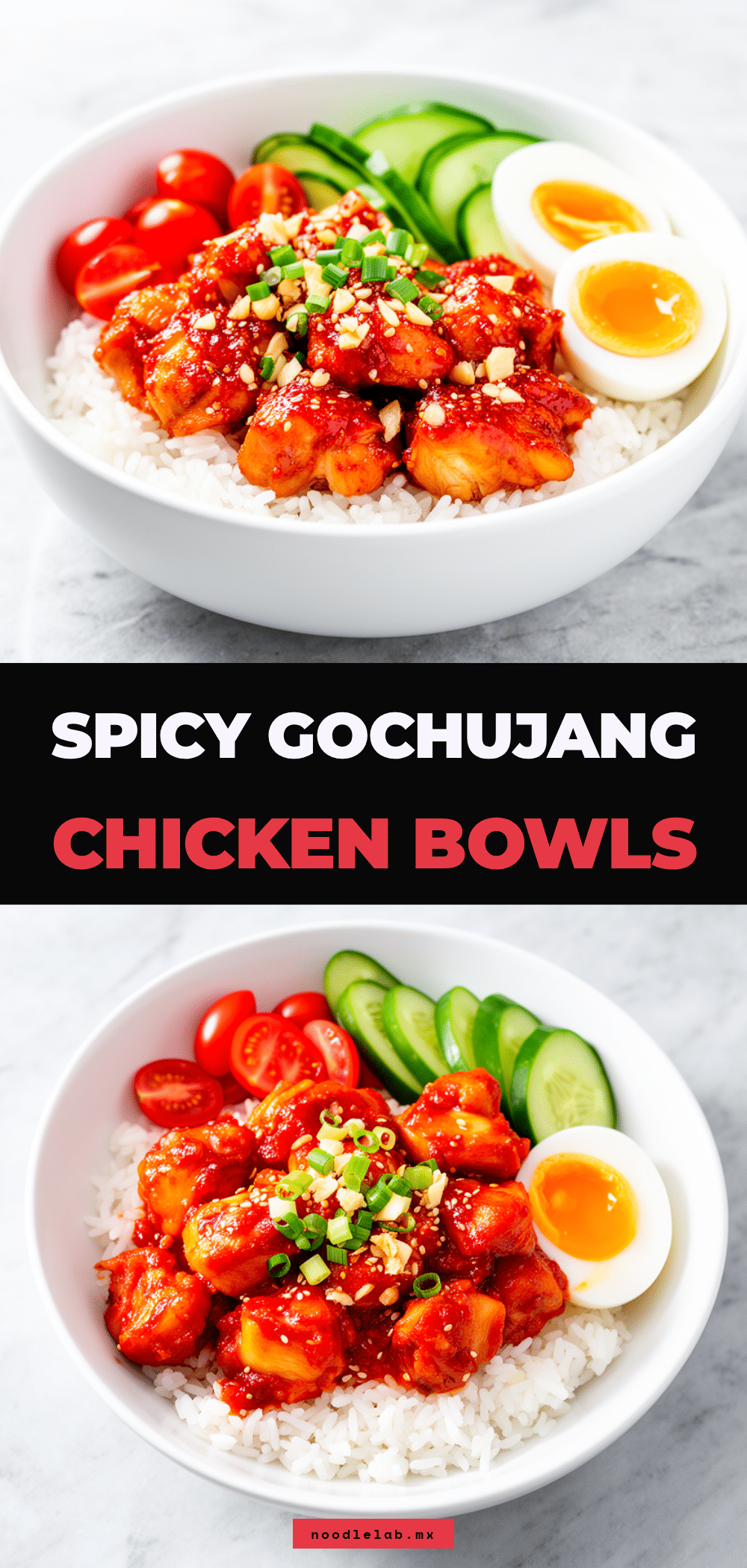
Spicy Korean Gochujang Chicken Bowls
- Total Time: 20 minutes
- Yield: 4 servings 1x
Description
A quick, 20-minute healthy dinner featuring pan-seared chicken in a sticky, spicy-sweet gochujang glaze, served over rice with fresh vegetables. Perfect for busy weeknights and meal prep.
Ingredients
- 1.5 pounds boneless, skinless chicken thighs or breasts, cut into 1-inch pieces
- 3 tablespoons gochujang paste
- 2 tablespoons low-sodium soy sauce (or tamari for gluten-free)
- 1 tablespoon maple syrup or honey
- 1 teaspoon toasted sesame oil
- 1 teaspoon rice vinegar
- 3 cloves garlic, minced
- 1 teaspoon fresh ginger, grated
- 2–3 tablespoons water
- 4 cups cooked rice (Jasmine or short-grain)
- 4 cups mixed vegetables (e.g., shredded carrots, sliced cucumbers, steamed broccoli)
- 2–3 green onions, sliced
- 1 tablespoon toasted sesame seeds
- Salt and pepper to taste
- 1 teaspoon vegetable or canola oil (for cooking)
Instructions
- Pat chicken pieces dry and season lightly with salt and pepper.
- In a small bowl, whisk together gochujang, soy sauce, maple syrup, sesame oil, rice vinegar, garlic, ginger, and 2-3 tablespoons of water until smooth.
- Heat a large skillet over medium-high heat and add vegetable oil.
- Add chicken in a single layer (cook in batches if needed) and sear undisturbed for 2-3 minutes until browned.
- Stir and cook for another 3-4 minutes until chicken is cooked through.
- Reduce heat to medium-low and pour the sauce over the chicken.
- Stir to coat and simmer for 1-2 minutes until the sauce thickens and becomes sticky.
- While chicken cooks, prepare rice and chop/steam vegetables.
- Divide rice among four bowls.
- Top with the spicy gochujang chicken and arrange vegetables around the chicken.
- Garnish with sliced green onions and toasted sesame seeds.
- Serve immediately.
Notes
For best results, use toasted sesame oil and fresh ginger. If the sauce is too thin, simmer longer or add a cornstarch slurry. If using chicken breasts, do not overcook to avoid dryness. Gochujang brands vary in spice level; adjust sweetness accordingly. Leftovers keep in the fridge for up to 4 days.
- Prep Time: 5 minutes
- Cook Time: 15 minutes
- Category: Main Course
- Cuisine: Korean
Nutrition
- Serving Size: 1 bowl
- Calories: 450
- Sugar: 8
- Sodium: 600
- Fat: 12
- Saturated Fat: 3
- Carbohydrates: 50
- Fiber: 2
- Protein: 35
Keywords: Korean chicken, gochujang, chicken bowls, quick dinner, weeknight meals, healthy dinner, spicy chicken, meal prep, gluten-free option