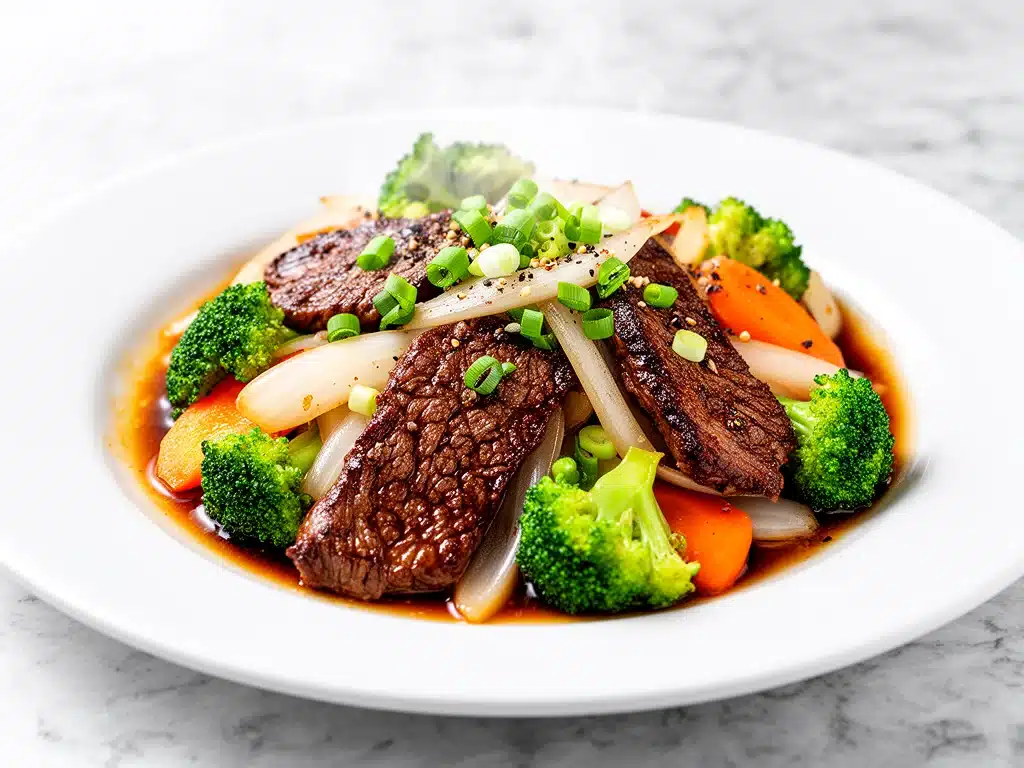
Last Tuesday, I was standing in my kitchen at 7:15 PM, staring at the ceiling fan while my stomach growled loud enough to wake the neighbors. I had exactly ten minutes before my husband got home from work, and my energy levels were at zero. The rational choice? Order from that Chinese place three blocks away. You know the one. The one where the orange chicken is always slightly too sweet and the beef is always slightly too tough.
But I was having a moment. A stubborn, “I-can-throw-together-something-better-than-takeout” moment. So instead of picking up my phone, I opened the freezer and pulled out a bag of frozen stir-fry veggies and a flank steak I’d bought on sale. I threw together what I thought would be a mediocre, rushed dinner. But ten minutes later, the smell of garlic, ginger, and soy sauce filling the kitchen changed everything. My husband came in, took one bite, and said, “This is actually better than the takeout we get.” And honestly? He wasn’t just being nice. He was right.
That night marked the beginning of a serious habit. I’ve made this easy beef and vegetable stir fry better than takeout at least five times in the last two months. It’s become my secret weapon for those chaotic weeknights when I need dinner on the table fast but don’t want to sacrifice flavor for convenience. It’s crispy, savory, slightly sweet, and packed with crunch. Plus, it’s ready in the time it takes to wait for a delivery driver to find your apartment.
If you’ve been struggling with stir-fries that end up soggy or bland, you’re not alone. I’ve been there. I’ve had beef that tasted like rubber and veggies that turned into mush. But after testing this recipe dozens of times, I’ve cracked the code. It’s not about fancy ingredients or complicated techniques. It’s about a few smart tricks—like how you slice the beef and how you handle the heat—that make all the difference. So let’s get into it. This is the recipe that saved my weeknight sanity.
Why You’ll Love This Beef Stir Fry
There are a lot of stir-fry recipes out there, but this one has earned a permanent spot in my weekly rotation for some very specific reasons. It’s not just “good for a weeknight.” It’s genuinely delicious enough to serve to guests who don’t know it’s a quick meal.
It’s Faster Than Delivery — Seriously. From the moment I start chopping to the moment I’m plating, it takes about 20 minutes. That’s faster than waiting for a driver to navigate traffic. I’ve timed it. It’s a fact.
The Beef Is Actually Tender — One of the biggest complaints about homemade stir-fry is tough meat. Not here. I use a simple cornstarch marinade that locks in moisture and creates that velvety texture you get at good Chinese restaurants. It’s a game-changer.
It’s a Vegetable Vacuum — My kids, who normally pick broccoli out of their plates like it’s a crime, eat this without complaint. The sauce clings to the veggies, and the beef is so flavorful that they just shovel it in. It’s my secret weapon for getting greens on the table.
It’s Customizable AF — Ran out of bell peppers? Use snap peas. Don’t like mushrooms? Skip them. This recipe is a template, not a rigid set of rules. I’ve made it with zucchini, carrots, broccoli, and even asparagus. It all works.
It’s Budget-Friendly — A takeout order for two people with delivery fees and tips easily runs $30. This recipe feeds 4 people for under $15. That’s a win in my book.
This stir fry is my answer to “what’s for dinner?” when I’m tired, broke, or just don’t want to think too hard. It’s reliable, delicious, and makes your kitchen smell amazing without the guilt of greasy takeout containers.
Ingredients You’ll Need
Here’s the best part: you probably have most of these ingredients already. This isn’t a recipe that requires a trip to three different specialty stores. It’s pantry-friendly and uses fresh, accessible stuff.
For the Beef
Flank Steak or Sirloin (1.5 pounds / 680g) — I always use flank steak. It’s lean, flavorful, and slices beautifully against the grain. Sirloin works too if you can’t find flank. Avoid ribeye or chuck—they’re too fatty for high-heat stir-frying and will just stew in their own grease.
Soy Sauce (2 tablespoons / 30ml) — Use a good quality soy sauce. Kikkoman is my go-to, but any standard brand works. This adds the salty, umami base.
Cornstarch (1 tablespoon / 8g) — This is the secret weapon. It coats the beef, creating a protective layer that keeps it tender and adds a slight crispiness when seared.
Shaoxing Wine or Dry Sherry (1 tablespoon / 15ml) — This is the traditional Chinese cooking wine that adds depth. If you don’t have it, dry sherry works, or even a splash of rice vinegar. Don’t skip this if you can help it—it adds that authentic restaurant flavor.
Vegetable Oil (1 tablespoon / 15ml) — For searing the beef. I use avocado oil or regular vegetable oil because they have high smoke points.
For the Sauce
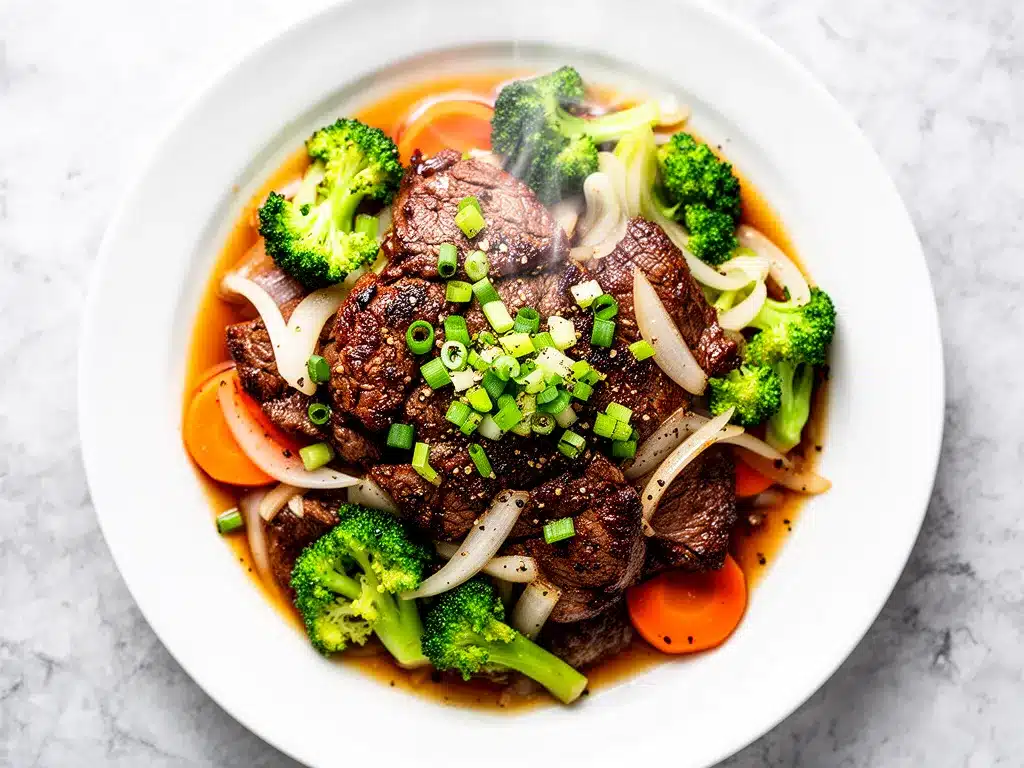
Brown Sugar (2 tablespoons / 25g) — Gives it that slight sweetness and helps caramelize the sauce. White sugar works, but brown adds a molasses depth I love.
Low-Sodium Chicken Broth (1/4 cup / 60ml) — Adds volume and savory depth without making it too salty. Vegetable broth works for a vegetarian version.
Dark Soy Sauce (1 teaspoon / 5ml) — Optional, but I highly recommend it. It adds that beautiful dark color and a slightly bitter, rich flavor. If you don’t have it, just use extra light soy sauce.
Rice Vinegar (1 tablespoon / 15ml) — Cuts through the richness and adds brightness. Don’t use apple cider vinegar; it has a different flavor profile.
Minced Garlic (4 cloves / 4 teaspoons) — Yes, four cloves. Garlic is the star here. Don’t be shy. Fresh only—jarred garlic has a weird metallic taste that ruins the dish.
Fresh Ginger (1 tablespoon / 5g, minced) — Fresh ginger is non-negotiable. It adds a spicy, aromatic kick that powder just can’t match. Grate it if you want to save time.
Sesame Oil (1 teaspoon / 5ml) — Add this at the very end. It’s for aroma, not cooking. Toasted sesame oil has a strong flavor, so a little goes a long way.
For the Vegetables
Broccoli Florets (2 cups / 120g) — The classic stir-fry veg. I like the crunch.
Red Bell Pepper (1 large, sliced) — Adds sweetness and color. Yellow or orange peppers work too.
Carrots (1 medium, julienned or sliced thin) — For crunch and sweetness. Julienne them for that authentic look.
Snap Peas or Snow Peas (1 cup / 60g) — Optional, but they add a nice fresh snap. I use them whenever they’re on sale.
Green Onions (3 stalks, sliced) — For garnish and a mild onion flavor. White and green parts both work.
Optional Add-ins: I’ve added sliced mushrooms, bok choy, and even edamame to this. Whatever you have in the fridge is fair game.
Equipment Needed
You don’t need fancy gear for this. Here’s what I actually use.
Wok or Large Skillet — A 12-inch carbon steel wok is ideal because of its shape, which helps toss the veggies. But a large cast-iron skillet or stainless steel pan works perfectly fine. The key is surface area—you need room for the beef to sear, not steam.
Chef’s Knife — A sharp knife is crucial for slicing the beef thinly and evenly. Dull knives slip and make uneven cuts, which leads to uneven cooking.
Cutting Board — Any size works. I use a large plastic one for easy cleanup.
Measuring Spoons — Standard stuff. Dollar store versions work fine.
Slotted Spoon or Tongs — For removing the beef from the pan. Tongs give you more control.
Small Bowl — For mixing the sauce. Keep it nearby so you don’t forget it when the pan is hot.
Optional but nice: A garlic press if you’re lazy, but mincing by hand tastes better. Also, a microplane for grating the ginger quickly.
How to Make It: Step-by-Step
Alright, let’s make this! I’m walking you through exactly how I do it, including the little tricks I’ve picked up over the years.
Step 1: Slice the Beef Against the Grain (5 minutes)
This is the most important step. Take your flank steak and find the direction the muscle fibers run. You’ll see lines running along the meat. Slice perpendicular to those lines, into thin strips (about 1/4 inch thick). Slicing against the grain shortens the fibers, making the beef tender instead of chewy. If you slice with the grain, you’ll be chewing for days. Trust me on this.
Step 2: Marinate the Beef (10 minutes)
In a medium bowl, combine the sliced beef with soy sauce, cornstarch, and Shaoxing wine. Toss everything together until the beef is evenly coated. The cornstarch will turn cloudy, and that’s good. Let it sit for at least 10 minutes. While it marinates, prep all your vegetables and make the sauce. I know it seems like a lot, but having everything ready before you turn on the heat is key.
Step 3: Make the Sauce (2 minutes)
In a small bowl or jar, whisk together the brown sugar, chicken broth, dark soy sauce, rice vinegar, minced garlic, and minced ginger. Stir until the sugar is dissolved. Set it aside. It should look like a thin, fragrant liquid. If the ginger is chunky, give it an extra stir.
Step 4: Sear the Beef (3-4 minutes)
Heat your wok or skillet over high heat until it’s smoking slightly. Add the vegetable oil and swirl to coat. Add the beef in a single layer. Do not overcrowd the pan! If you’re using a standard skillet, you might need to cook the beef in two batches. Crowding the pan lowers the temperature and steams the meat instead of searing it. Sear the beef for 1-2 minutes per side until browned but still slightly rare in the middle. It doesn’t need to be fully cooked yet. Remove the beef to a plate and set aside.
Step 5: Stir-Fry the Vegetables (3-4 minutes)
Wipe out the pan if there’s too much grease, or just leave it for extra flavor. Add a splash more oil if needed. Toss in the carrots and broccoli first, as they take longer to cook. Stir-fry for 2 minutes. Then add the bell peppers and snap peas. Cook for another 1-2 minutes until the veggies are crisp-tender. You want them to still have some bite, not be mushy.
Step 6: Combine and Sauce It Up (2 minutes)
Return the beef and any juices from the plate to the pan. Pour the sauce over everything. Toss constantly for 1 minute. The sauce will bubble and thicken rapidly, coating the beef and veggies in a glossy, savory glaze. This happens fast, so keep moving. Once the sauce is thick and shiny, remove from heat.
Step 7: Finish and Serve (1 minute)
Drizzle the sesame oil over the top and toss once more. Garnish with sliced green onions. Serve immediately over steamed rice or noodles. The heat from the rice will keep everything warm. Enjoy while it’s hot and crisp.
Total Time: About 25 minutes (10 minutes prep, 15 minutes cooking)
Expert Tips & Tricks
Here’s everything I’ve learned from making this dozens of times. These tips will save you from my mistakes.
High Heat is Your Friend — Stir-frying is called “stir-frying” for a reason. You need high heat to get that sear and prevent the veggies from getting soggy. If your stove doesn’t get hot enough, cook in smaller batches. Don’t be tempted to lower the heat.
Prep Everything Before You Start — This is called “mise en place” in fancy cooking terms, but I just call it “not burning the garlic.” Have all your veggies chopped and sauce mixed before you turn on the burner. Once you start cooking, things move fast.
Don’t Overcook the Veggies — I love soft veggies, but not in a stir-fry. You want them crisp-tender. If you cook them until they’re limp, they’ll continue to cook in the hot sauce and become mushy by the time you sit down to eat.
Use a Cold Pan for the Beef — Some chefs recommend adding oil to a cold pan and heating it up with the beef. This helps render fat and prevents sticking. I’ve tried it, and it works well for flank steak. Give it a try.
Common Mistakes
Mistake: Beef is tough. Fix: You sliced with the grain or didn’t use cornstarch. Next time, slice against the grain and marinate.
Mistake: Sauce is too thin. Fix: You didn’t cook it long enough. Let it bubble for a full minute. Or, add a teaspoon of cornstarch mixed with water to thicken it.
Mistake: Sauce is too salty. Fix: You used regular soy sauce and didn’t account for the salt. Next time, use low-sodium soy sauce and taste as you go.
Pro Trick: Toast the Sesame Seeds — If you want an extra layer of flavor, sprinkle toasted sesame seeds on top before serving. It adds a nutty crunch that’s amazing.
Variations & Substitutions
Once you’ve nailed the basic version, here’s how you can mix it up. I’ve tried all of these.
Pork Version — Swap beef for pork loin or shoulder. Slice thinly and marinate the same way. Pork pairs beautifully with ginger and garlic.
Chicken Stir Fry — Use chicken breast or thighs. Chicken cooks faster, so reduce the searing time to 1-2 minutes total. It’s a lighter option but still delicious.
Shrimp Stir Fry — Shrimp cooks in 2 minutes. Add them at the very end, just before the sauce. Overcooked shrimp are rubbery, so be careful.
Vegan Version — Use tofu or tempeh instead of beef. Press the tofu first to remove water, then marinate and sear. Use vegetable broth and tamari (gluten-free soy sauce) for the sauce. It’s surprisingly satisfying.
Spicy Kick — Add 1 teaspoon of chili garlic sauce or red pepper flakes to the sauce. If you like it hot, add a drizzle of Sriracha at the end.
Different Veggies — I’ve used zucchini, asparagus, bok choy, and even cauliflower. Just keep in mind that watery veggies like zucchini cook faster, so add them later.
Gluten-Free — Use tamari instead of soy sauce and ensure your Shaoxing wine is gluten-free (most are, but check the label). Everything else is naturally gluten-free.
Serving & Storage
How to Serve: I usually serve this straight from the pan onto a platter for a family-style meal. It looks rustic and inviting. But here are other ways I’ve enjoyed it:
Side Dishes: Steamed jasmine rice is classic. Fried rice is great if you have leftovers. Noodles (ramen or udon) work well too. A simple cucumber salad with vinegar dressing cuts the richness nicely.
Toppings Bar: When I have guests, I put out: extra green onions, sesame seeds, chili oil, and lime wedges. Everyone customizes their bowl.
Storage Instructions:
Refrigerator: Store in an airtight container for up to 3 days. The beef will continue to absorb the sauce, so it might get saucier. That’s fine.
Reheating: Best method: Reheat in a skillet over medium heat with a splash of water or broth. This brings back the texture. Microwave works but can make the beef tough. If you microwave, add a splash of water and cover it to steam it slightly.
Freezing: Honestly, this doesn’t freeze well. The veggies get soggy and the beef gets tough. Make it fresh. It’s too quick to bother freezing.
Nutrition Information
I’m not a nutritionist, but here’s the breakdown if you’re tracking. This is per serving (based on 4 servings with rice).
– Calories: 380
– Protein: 28g
– Carbs: 25g
– Fiber: 4g
– Sugar: 10g
– Fat: 18g
– Saturated Fat: 5g
– Cholesterol: 65mg
– Sodium: 680mg
What’s Good: High protein from the beef. Good fiber from the veggies. It’s a balanced meal.
What to Know: Sodium can be high depending on the soy sauce. Use low-sodium soy sauce to cut it by half. The sugar comes from the brown sugar, but it’s not excessive.
My Take: Look, this is a savory, saucy dish. It’s not a diet food, but it’s way better than takeout because you control the ingredients. When I want to make it lighter, I double the veggies and use less beef. But usually? I just enjoy it. It’s comfort food.
Final Thoughts
So that’s my go-to easy beef and vegetable stir fry better than takeout. I’ve probably talked your ear off at this point, but when you make a recipe this often, you have a lot to say about it.
This has saved weeknight dinners more times than I can count. It’s my answer to “what’s for dinner?” when I’m tired, don’t want takeout, and still want something that tastes really good. My kids are happy, my husband’s happy, and I’m happy because I’m not stressed about cooking.
Make it yours! Try different add-ins, swap in your favorite vegetables, adjust the spice level. The best recipes are the ones you adapt to your family’s tastes. And if you’re looking for other cozy, easy dinners to try while you’re at it, check out this creamy pumpkin alfredo pasta for a comfort food twist, or these no-bake chocolate peanut butter bars for a quick dessert.
If you make this, drop a comment and let me know what you think! I love hearing how recipes turn out in your kitchen. And if something doesn’t work, tell me that too—I’m here to help troubleshoot.
Happy cooking! And I hope your kitchen smells half as good as mine does right now.
Frequently Asked Questions
Can I use flank steak if I can’t find sirloin?
Absolutely. Flank steak is actually my preferred cut because it’s leaner and slices thinner. Just make sure to slice it against the grain, or it will be tough. Sirloin is fine too, but it’s often thicker and has more fat.
Why did my beef get tough?
Two reasons: You sliced with the grain, or you overcooked it. Always slice against the grain. Also, don’t cook the beef all the way through in the first step. It finishes cooking in the sauce. If you cook it too long, it becomes chewy.
Can I use frozen vegetables?
You can, but they’ll release more water and make the stir-fry soggy. Fresh veggies are best. If you must use frozen, thaw them first and pat them dry with paper towels. Or, skip the leafy greens and just use frozen broccoli and peas.
How do I make the sauce thicker?
The cornstarch in the marinade helps, but if you want a thicker sauce, mix 1 teaspoon of cornstarch with 1 tablespoon of water and add it to the sauce before pouring it into the pan. It will thicken almost instantly.
Can I make this ahead of time?
You can prep the beef and veggies ahead of time. Store them in separate containers in the fridge. But don’t mix the sauce until you’re ready to cook. The cornstarch in the beef marinade will start to break down if it sits too long, so cook it within a few hours of prepping.
Is this recipe gluten-free?
Not as written, because soy sauce contains wheat. But you can easily make it gluten-free by using tamari (gluten-free soy sauce) and ensuring your Shaoxing wine is gluten-free. Everything else is naturally gluten-free.
What kind of rice goes best with this?
Jasmine rice is the classic choice. It’s fragrant and slightly sticky, which pairs perfectly with the savory sauce. Basmati rice works too if you prefer something fluffier. Don’t skip the rice—it helps soak up the sauce!
Pin This Recipe!
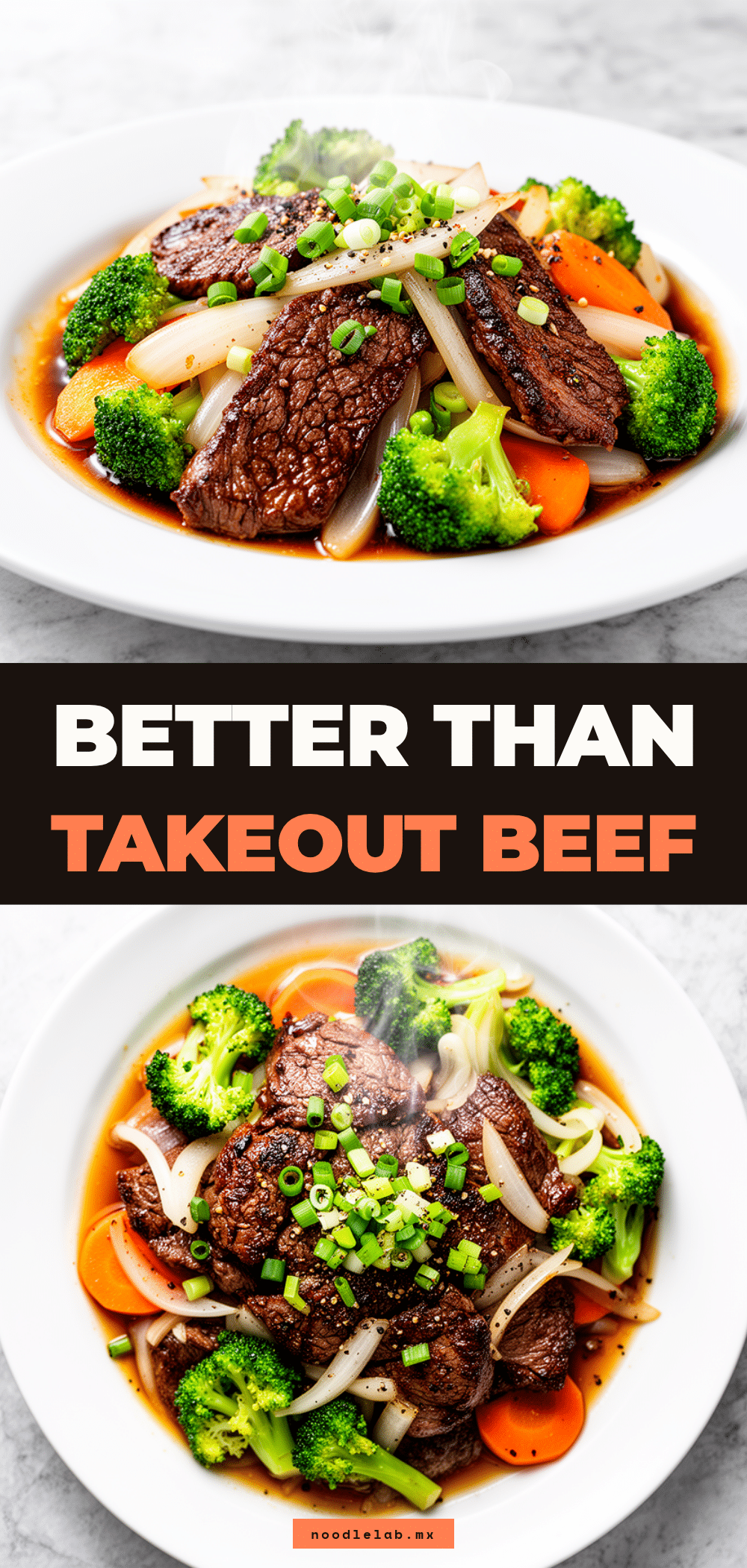
Easy Beef and Vegetable Stir Fry: Best Homemade Recipe
- Total Time: 25 minutes
- Yield: 4 servings 1x
Description
A quick, flavorful beef and vegetable stir fry that is faster than takeout and uses a cornstarch marinade for tender meat. Ready in 25 minutes with customizable vegetables.
Ingredients
- 1.5 pounds flank steak or sirloin, sliced against the grain
- 2 tablespoons soy sauce
- 1 tablespoon cornstarch
- 1 tablespoon Shaoxing wine or dry sherry
- 1 tablespoon vegetable oil
- 2 tablespoons brown sugar
- 1/4 cup low-sodium chicken broth
- 1 teaspoon dark soy sauce
- 1 tablespoon rice vinegar
- 4 cloves garlic, minced
- 1 tablespoon fresh ginger, minced
- 1 teaspoon sesame oil
- 2 cups broccoli florets
- 1 large red bell pepper, sliced
- 1 medium carrot, julienned
- 1 cup snap peas or snow peas
- 3 stalks green onions, sliced
Instructions
- Slice the flank steak against the grain into thin strips (about 1/4 inch thick).
- In a medium bowl, combine the sliced beef with soy sauce, cornstarch, and Shaoxing wine. Toss to coat and let marinate for at least 10 minutes.
- In a small bowl, whisk together brown sugar, chicken broth, dark soy sauce, rice vinegar, minced garlic, and minced ginger. Set aside.
- Heat a wok or large skillet over high heat until smoking. Add vegetable oil and swirl to coat.
- Add beef in a single layer (cook in batches if necessary) and sear for 1-2 minutes per side until browned but still slightly rare. Remove beef to a plate.
- Add carrots and broccoli to the pan and stir-fry for 2 minutes. Add bell peppers and snap peas and cook for another 1-2 minutes until crisp-tender.
- Return beef and any juices to the pan. Pour sauce over everything and toss constantly for 1 minute until sauce thickens and glazes the ingredients.
- Remove from heat, drizzle with sesame oil, toss once more, and garnish with green onions. Serve immediately over steamed rice or noodles.
Notes
Slice beef against the grain for tenderness. Do not overcrowd the pan when searing beef to ensure proper browning rather than steaming. Use high heat for the best texture. For a thicker sauce, mix 1 teaspoon cornstarch with 1 tablespoon water and add to the sauce before pouring into the pan.
- Prep Time: 10 minutes
- Cook Time: 15 minutes
- Category: Main Course
- Cuisine: Chinese
Nutrition
- Serving Size: 1/4 of the recipe
- Calories: 380
- Sugar: 10
- Sodium: 680
- Fat: 18
- Saturated Fat: 5
- Carbohydrates: 25
- Fiber: 4
- Protein: 28
Keywords: beef stir fry, quick dinner, weeknight meals, homemade takeout, easy stir fry, healthy dinner, high protein