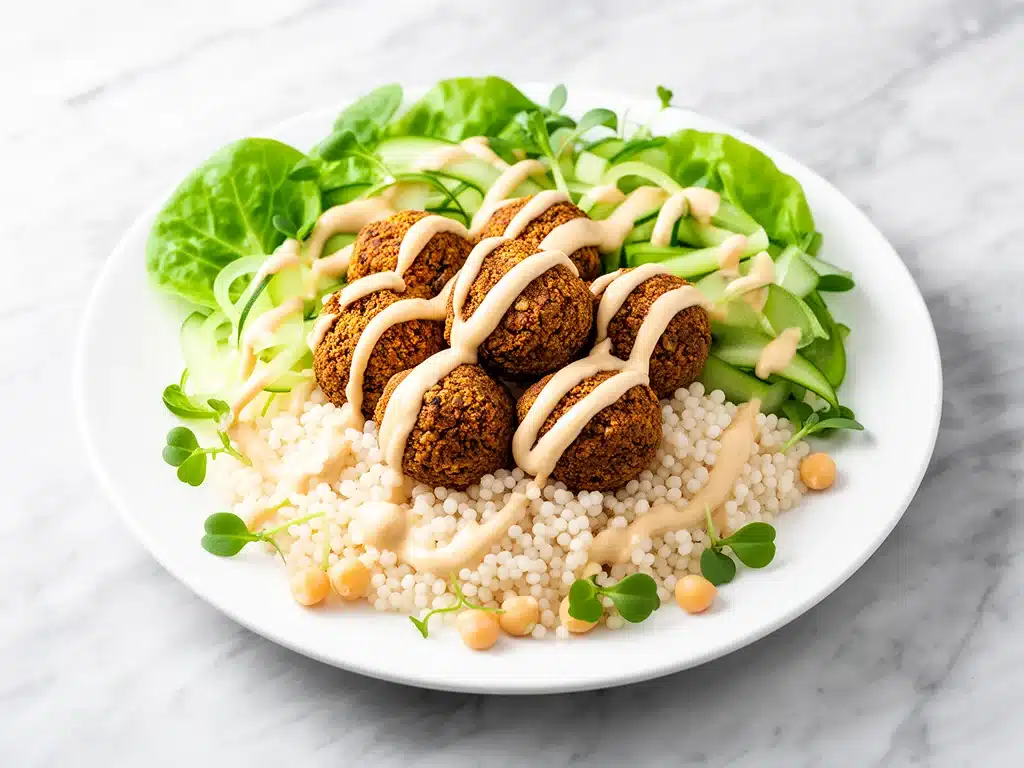
I have a confession to make: I used to think “healthy lunch” was code for “sad salad with rubbery chicken.” For years, my midday meals consisted of whatever was left in the fridge, usually eaten over the sink while checking emails. It wasn’t until last summer, while visiting a tiny hole-in-the-wall spot in Brooklyn, that my perspective completely shifted. I ordered what they called a “Mediterranean Falafel Bowl” mostly because it was the only thing under $15, but I ended up staying for three hours just because the food was that good.
That bowl changed everything. It wasn’t just food; it was a flavor explosion. Crispy, golden falafel, cool and creamy garlic tahini drizzled over warm couscous, crunchy pickled turnips, and fresh herbs that practically jumped off the plate. I came home that evening and immediately started raiding my pantry for chickpeas and tahini. I wanted that experience, but I wanted it at home, on my terms, and without the $18 price tag.
What started as a one-time craving has turned into a genuine obsession. I’ve made this Mediterranean Falafel Bowl with garlic tahini you’ll make on repeat at least once a week for the past six months. Some weeks it’s for lunch, some weeks it’s a quick dinner when I don’t want to cook a big meal, and some weeks it’s just my go-to when I need something that feels light but keeps me full until 7 p.m. It’s become the anchor of my weekly meal prep routine, right alongside my fluffy buttermilk pancakes on lazy Sunday mornings.
There’s something deeply satisfying about building a bowl from scratch. It’s not just about the taste—it’s the texture contrast. The crunch of the falafel against the softness of the grains, the brightness of the lemon, the richness of the tahini. It’s food that feels like a hug but doesn’t leave you feeling heavy. If you’re tired of the same old sandwich routine or scrolling through delivery apps at 12:30 p.m., this recipe is your new best friend. It’s vibrant, it’s nutritious, and honestly? It’s just fun to eat.
Why You’ll Love This Recipe
Okay, so why am I so passionate about this specific bowl? It’s not just because it tastes incredible (though it definitely does). It’s because it solves a real problem: the midday slump. Here’s why this Mediterranean Falafel Bowl with garlic tahini you’ll make on repeat has earned a permanent spot in my kitchen rotation.
It’s Actually Filling — Let’s bust the myth that healthy food means you’re hungry an hour later. The combination of protein-rich chickpeas, fiber-packed grains, and healthy fats from the tahini keeps my energy stable all afternoon. I used to crash hard after a light lunch. Not anymore. This bowl keeps me going until dinner without the food coma.
Meal Prep Friendly — I love that I can make the falafel and the tahini sauce on Sunday, and assemble fresh bowls throughout the week. The flavors actually get better after a day or two in the fridge. The tahini soaks into the grains a bit, and the falafel stays crisp if you store them separately. It’s the ultimate “set it and forget it” lunch strategy.
Customizable Like Crazy — This bowl is a canvas. Hate pickles? Skip them. Love hummus? Add a dollop. Want more greens? Throw in a handful of arugula. I’ve made this for picky eaters and foodies alike, and everyone finds something they love. It’s flexible enough for any dietary need.
Flavor Bomb — The garlic tahini sauce is the star here. It’s tangy, nutty, garlicky, and creamy all at once. It ties every component together. I’ve tried other dressings, but nothing compares to the depth of flavor this sauce brings. It’s the kind of sauce you’ll want to drizzle on everything, not just this bowl.
Quick and Easy — Yes, making falafel from scratch takes a little time, but it’s mostly active prep that you can do while listening to a podcast. The actual baking is hands-off. Once you get the hang of it, you’re looking at 45 minutes of total time for a week’s worth of lunches. That’s way faster than ordering takeout, waiting for delivery, and dealing with the mess.
This recipe has saved my workdays. It’s reliable, it’s delicious, and it makes me feel good about what I’m putting into my body. It’s proof that eating well doesn’t have to be complicated or boring.
Ingredients You’ll Need
Here’s the thing about this recipe: the ingredients are simple, but the quality matters. You don’t need anything exotic or hard to find. Most of this is standard pantry and fridge stuff. I’m particular about a few items, though, and I’ll tell you exactly why they matter for getting that perfect texture and flavor.
Dried Chickpeas (1 cup / 200g) — This is non-negotiable. Do not use canned chickpeas. Canned chickpeas are too soft and wet, which leads to mushy falafel that falls apart. Dried chickpeas, soaked overnight, give you that gritty, dense texture that holds together and gets crispy on the outside. I buy them in bulk—it’s cheaper and fresher. Soak them for at least 12 hours, until they’ve doubled in size.
Fresh Herbs (1 cup packed) — I use a mix of parsley and cilantro. Parsley gives that grassy, fresh base, while cilantro adds a citrusy brightness. Don’t skimp on the herbs; they’re crucial for the flavor. I chop them finely with the chickpeas in the food processor. It’s like a green paste.
Onion (1 medium, roughly chopped) — Yellow onion works best here. It adds sweetness and depth. I pulse it with the chickpeas so it’s evenly distributed. If you’re sensitive to raw onion flavor, don’t worry—it cooks out completely.
Garlic (4 cloves) — Fresh garlic is key. No jarred stuff here. I add it raw to the falafel mix for a sharp, pungent kick that balances the earthiness of the chickpeas. Four cloves might sound like a lot, but it’s perfect.
Spices (1 tsp each) — Ground cumin, ground coriander, and salt. These are the backbone of the flavor. Cumin adds warmth, coriander adds citrusy notes, and salt brings it all together. Black pepper is optional, but I like a little heat. Make sure your spices are fresh—old spices taste dusty and flat.
Baking Powder (1 tsp) — This is the secret to fluffy falafel. It creates little air pockets as they bake, so they’re not dense bricks. Use aluminum-free baking powder for the best taste.
Flour or Chickpea Flour (2 tbsp) — This acts as a binder. All-purpose flour works, but chickpea flour (besan) is more authentic and adds a nutty flavor. I prefer chickpea flour if I have it, but all-purpose is fine if that’s what you have on hand.
For the Garlic Tahini Sauce:
Tahini (½ cup / 120ml) — Stir your tahini well before measuring. It separates in the jar, so you need that sesame oil for the right consistency. Use a good quality tahini if you can find it—some brands are bitter. If you like creamy sauces, you’ll love this because the technique is similar but way healthier.
Lemon Juice (¼ cup / 60ml) — Freshly squeezed is a must. Bottled lemon juice has a metallic taste that ruins the balance. Squeeze two or three lemons to get this amount.
Garlic (2 cloves, minced) — For the sauce, I mince the garlic finely so it dissolves into the tahini. It adds a sharp, aromatic punch.
Ice Water (2-4 tbsp) — This is the magic ingredient. Adding ice water to the tahini and lemon mixture “whips” it, turning it from a thick paste into a smooth, creamy, pourable sauce. Trust this step.
For the Bowl Assembly:
Couscous or Quinoa (1 cup dry) — Couscous is traditional and cooks in 5 minutes. Quinoa is a great gluten-free alternative with more protein. I usually stick with couscous for speed, but quinoa is delicious too.
Cucumber (1 medium, diced) — Adds crunch and freshness. English cucumbers are less watery, which is better for bowls.
Cherry Tomatoes (1 cup, halved) — Sweet and juicy. They add a nice contrast to the savory falafel.
Kalamata Olives (½ cup, sliced) — Salty and briny. They add a Mediterranean kick. I love the contrast of the dark olives against the green herbs.
Pickled Turnips or Radishes (½ cup) — This is the game-changer. Pickled vegetables add acidity and crunch that cuts through the richness of the tahini. If you can’t find pickled turnips, quick-pickle some red onions or radishes in lemon juice and vinegar for 30 minutes.
Feta Cheese (½ cup, crumbled) — Optional, but I recommend it. The salty, tangy cheese adds another layer of flavor. If you’re dairy-free, skip it or use a vegan feta alternative.
Fresh Mint or Parsley (for garnish) — A sprinkle of fresh herbs on top adds color and aroma. It makes the bowl look restaurant-quality.
Equipment Needed
You don’t need any fancy gadgets for this. Here’s what I actually use in my kitchen, along with some honest thoughts on what’s essential.
Food Processor — This is the workhorse. You’ll use it to grind the chickpeas, herbs, and spices into a fine paste. A standard 11-12 cup processor works perfectly. If you don’t have one, you can chop everything by hand, but it will take much longer and the texture won’t be as uniform.
Baking Sheets — I use two large rimmed baking sheets. This allows me to bake a double batch at once. Line them with parchment paper for easy cleanup. Non-stick sheets are great, but parchment prevents sticking even if your sheets are old and worn.
Paring Knife and Cutting Board — For prepping the vegetables for the bowl. Any sharp knife works. I use a small paring knife for the tomatoes and cucumbers.
Small Mixing Bowl — For whisking the tahini sauce. A bowl with a wide base is easier for whisking.
Whisk — Essential for the sauce. It helps incorporate the ice water and create that creamy texture.
Spatula — For stirring the falafel mixture and scraping the bowl. A silicone spatula is best because it’s flexible and won’t scratch your bowls.
Measuring Cups and Spoons — Standard stuff. I keep a set in my main drawer. Accuracy matters for the spices and baking powder, so don’t eyeball it.
Colander — For rinsing the soaked chickpeas. A fine-mesh colander works best to catch any small bits.
Optional: Ice Cream Scoop or Cookie Scoop — This makes forming the falafel balls uniform and fast. It’s not necessary, but it saves time and makes them look pretty.
How to Make It: Step-by-Step
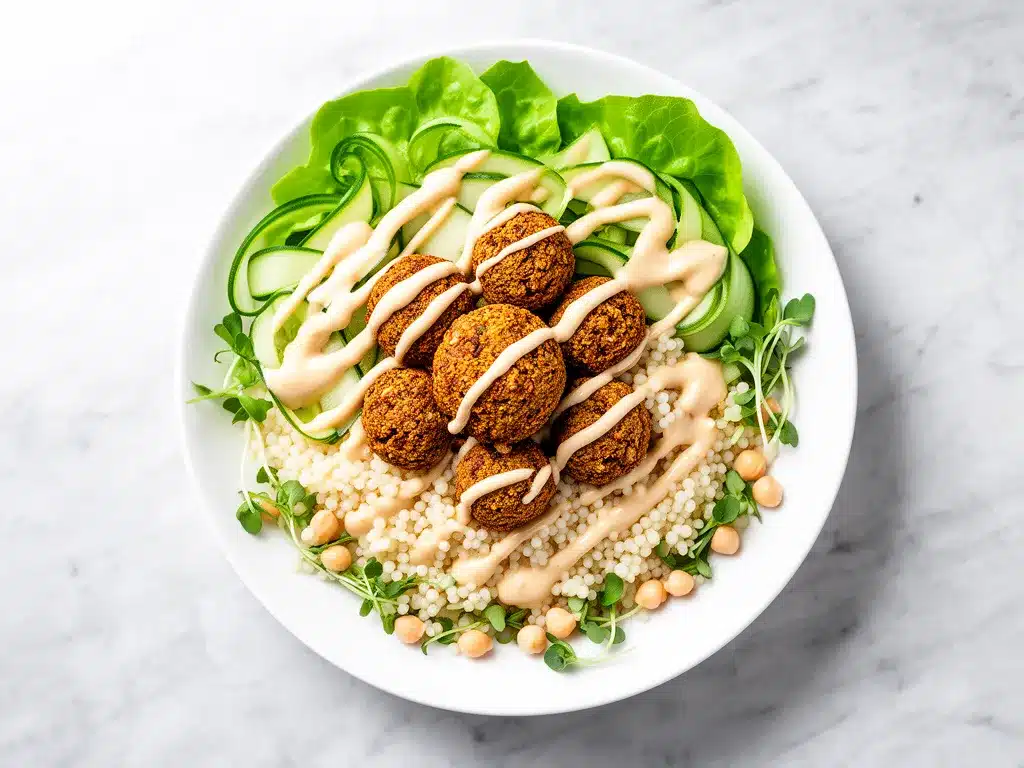
Alright, let’s get cooking! I’m walking you through exactly how I make this Mediterranean Falafel Bowl with garlic tahini you’ll make on repeat. I’ve included the little tricks I’ve picked up along the way to ensure success.
Step 1: Prep the Chickpeas (Night Before)
Start the night before. Measure out 1 cup of dried chickpeas and rinse them thoroughly. Place them in a large bowl and cover with at least 3 inches of cold water. Let them soak for 12-24 hours. They will double in size. This step is crucial for texture. Drain and rinse them well before using.
Step 2: Make the Falafel Mixture
In your food processor, add the soaked chickpeas, chopped onion, garlic, and fresh herbs. Pulse until the mixture is finely chopped but not pureed. You want it to look like coarse sand. Add the cumin, coriander, salt, baking powder, and flour. Process until the mixture sticks together when you pinch it. If it’s too dry, add a tablespoon of water. If it’s too wet, add a bit more flour. Transfer to a bowl and refrigerate for 30 minutes. This helps the mixture firm up and makes it easier to shape.
Step 3: Shape the Falafel
Preheat your oven to 400°F (200°C). Line two baking sheets with parchment paper. Take small handfuls of the falafel mixture (about 1-2 tablespoons each) and roll them into balls. Flatten them slightly into patties. They don’t need to be perfect, but uniform size helps them cook evenly. Place them on the baking sheets, leaving a little space between each. You should get about 20-24 falafel.
Step 4: Bake the Falafel
Drizzle the falafel lightly with olive oil. This helps them brown and crisp up. Bake for 20-25 minutes, flipping halfway through. They’re done when they’re golden brown and crispy on the outside. They should feel firm to the touch. Let them cool for 5 minutes before assembling the bowls. They’ll crisp up more as they cool.
Step 5: Make the Garlic Tahini Sauce
While the falafel bakes, make the sauce. In a small bowl, whisk together the tahini and lemon juice. It will seize up and become thick—that’s normal. Slowly add the minced garlic and 2 tablespoons of ice water. Whisk vigorously. Add more ice water, one tablespoon at a time, until the sauce is smooth, creamy, and pourable. Season with salt to taste. The sauce should be tangy and rich. If it’s too thick, add more water. If it’s too thin, add a bit more tahini.
Step 6: Cook the Grains
Cook the couscous or quinoa according to package directions. For couscous, just pour boiling water over it, cover, and let sit for 5 minutes, then fluff with a fork. For quinoa, simmer in water for 15 minutes. Let it cool slightly. Toss with a little olive oil and lemon juice to keep it from sticking.
Step 7: Assemble the Bowls
Divide the grains among bowls. Top with the crispy falafel, diced cucumber, halved cherry tomatoes, sliced olives, pickled turnips, and crumbled feta. Drizzle generously with the garlic tahini sauce. Garnish with fresh mint or parsley. Serve immediately.
Expert Tips & Tricks
Here’s everything I’ve learned from making this dozens of times. These tips will save you from my mistakes and ensure your falafel is perfect.
Never Use Canned Chickpeas — I know it’s tempting to save time, but canned chickpeas have too much moisture. They turn into mush in the food processor and fall apart in the oven. Dried chickpeas are the only way to go for authentic texture.
Don’t Over-Process — When making the falafel mixture, stop processing when it’s fine and grainy. If you puree it, it becomes paste-like and dense. You want that slight grit from the chickpeas.
Chill the Mixture — Refrigerating the falafel mixture for 30 minutes before shaping helps it bind better. It’s easier to handle and less likely to fall apart in the oven.
Use Ice Water for Tahini — This is the secret to creamy tahini sauce. The cold water shocks the tahini, causing it to lighten in color and become smooth. Room temperature water won’t give you the same result.
Flip Halfway — Make sure to flip the falafel halfway through baking. This ensures even browning on both sides. If you don’t flip them, one side will be pale and soft.
Store Separately — If meal prepping, store the falafel, grains, and veggies in separate containers. Assemble just before eating. This keeps the falafel crispy and the veggies fresh.
Don’t Skip the Pickles — The acidity of the pickled turnips or radishes is crucial. It cuts through the richness of the tahini and falafel. If you can’t find pickled turnips, quick-pickle red onions in vinegar and sugar for 30 minutes.
Use a Good Quality Tahini — Cheap tahini can be bitter or rancid. Look for a brand that’s smooth and has a nutty aroma. It makes a huge difference in the sauce.
Variations & Substitutions
Once you’ve nailed the basic version, here’s how you can mix it up. I’ve tried all of these, and they’re all delicious.
Gluten-Free — Use quinoa instead of couscous. Make sure your tahini and spices are certified gluten-free. Everything else is naturally gluten-free.
Vegan — Skip the feta cheese. Use a vegan feta alternative or just omit it. The falafel and tahini sauce are already vegan.
Chicken Version — Instead of falafel, use grilled chicken thighs marinated in lemon and herbs. It’s a lighter option.
Shrimp Version — Swap in grilled shrimp. It cooks quickly and adds a nice seafood twist.
Hummus Bowl — Add a generous dollop of hummus to the bowl. It adds creaminess and extra protein.
Spicy Version — Add harissa paste to the tahini sauce or sprinkle red pepper flakes on the falafel before baking.
Vegetable Add-ins — Add roasted eggplant, zucchini, or bell peppers. They add sweetness and depth.
Different Grains — Use bulgur wheat, farro, or rice. Bulgur is traditional and has a nice chew.
Serving & Storage
How to Serve:
I usually serve this bowl warm or at room temperature. It’s perfect for lunch because it’s not too hot or too cold. I like to drizzle the tahini sauce generously over the top. It looks beautiful and tastes amazing. Serve with a side of pita bread if you want something to dip.
Storage:
Store the falafel, grains, and veggies in separate airtight containers in the fridge for up to 4 days. The tahini sauce can be stored in a jar for up to a week. The flavors meld and improve over time.
Reheating:
Reheat the falafel in the oven at 375°F for 5-7 minutes to crisp them up. You can eat the grains and veggies cold or at room temperature. If you prefer warm grains, microwave them for 1-2 minutes. Do not microwave the falafel in the microwave—it will make them soggy.
Freezing:
You can freeze the falafel balls before baking. Place them on a baking sheet and freeze until solid, then transfer to a freezer bag. Bake from frozen, adding a few minutes to the cooking time. The tahini sauce does not freeze well—it separates when thawed. Make it fresh.
Nutrition Information
I’m not a nutritionist, but here’s the breakdown if you’re tracking. This is per serving (1 bowl), based on 4 servings.
- Calories: 450
- Protein: 18g
- Carbs: 52g
- Fiber: 12g
- Sugar: 6g
- Fat: 20g
- Saturated Fat: 3g
- Cholesterol: 0mg
- Sodium: 600mg
What’s Good: High in fiber and protein, which keeps you full. Good sources of healthy fats from tahini and olive oil. Packed with vegetables and herbs.
What to Know: Moderate sodium, mostly from the feta and olives. Use low-sodium broth if cooking grains. Can be made lower carb by reducing grains or using cauliflower rice.
My Take: This is a balanced, nutritious meal that tastes indulgent. It’s not diet food, but it’s definitely healthy. I love that it’s plant-based but still satisfying. When I want to make it lighter, I use less tahini and more veggies. But usually? I just enjoy a generous portion and feel great.
Final Thoughts
So that’s my Mediterranean Falafel Bowl with garlic tahini you’ll make on repeat! I’ve probably talked your ear off at this point, but when you make a recipe this often, you have a lot to say about it. This bowl has saved my lunches. It’s my answer to “what’s for lunch” when I’m tired of sandwiches and salads. It’s vibrant, it’s flavorful, and it’s easy to make in batches.
Make it yours! Try different veggies, swap the grains, adjust the spice level. The best recipes are the ones you adapt to your tastes. I hope this bowl brings you as much joy as it has brought me. Happy cooking!
Frequently Asked Questions
Can I use canned chickpeas?
A: I really don’t recommend it. Canned chickpeas are too soft and wet, which makes the falafel mushy and prone to falling apart. Dried chickpeas, soaked overnight, give you the right texture. If you’re in a huge pinch, you can try it, but the results won’t be the same.
Why did my falafel fall apart?
A: This usually happens if the mixture is too wet or if you didn’t chill it. Make sure you drain the soaked chickpeas well. Also, refrigerate the mixture for 30 minutes before shaping. If it’s still too sticky, add a bit more flour or chickpea flour.
Can I make the tahini sauce ahead?
A: Yes! The tahini sauce actually tastes better after sitting for a few hours. Make it up to 3 days ahead and store it in the fridge. It will thicken in the fridge, so just add a splash of water to thin it out before serving.
What can I use instead of pickled turnips?
A: Pickled red onions or radishes work great. You can quick-pickle them by slicing them thinly and soaking them in a mixture of vinegar, water, sugar, and salt for 30 minutes. They add the necessary acidity and crunch.
Is this recipe gluten-free?
A: Yes, if you use quinoa instead of couscous and make sure your tahini and spices are certified gluten-free. The falafel itself is naturally gluten-free.
Can I bake the falafel instead of frying?
A: Yes! Baking is actually healthier and easier. I bake mine at 400°F for 20-25 minutes. They come out crispy and golden. You can also air fry them at 375°F for 10-12 minutes for extra crispiness.
How long do leftovers last?
A: The falafel and grains last up to 4 days in the fridge. The veggies are best eaten fresh, but cucumbers and tomatoes can last a day or two. Assemble the bowls just before eating for the best texture.
Pin This Recipe!
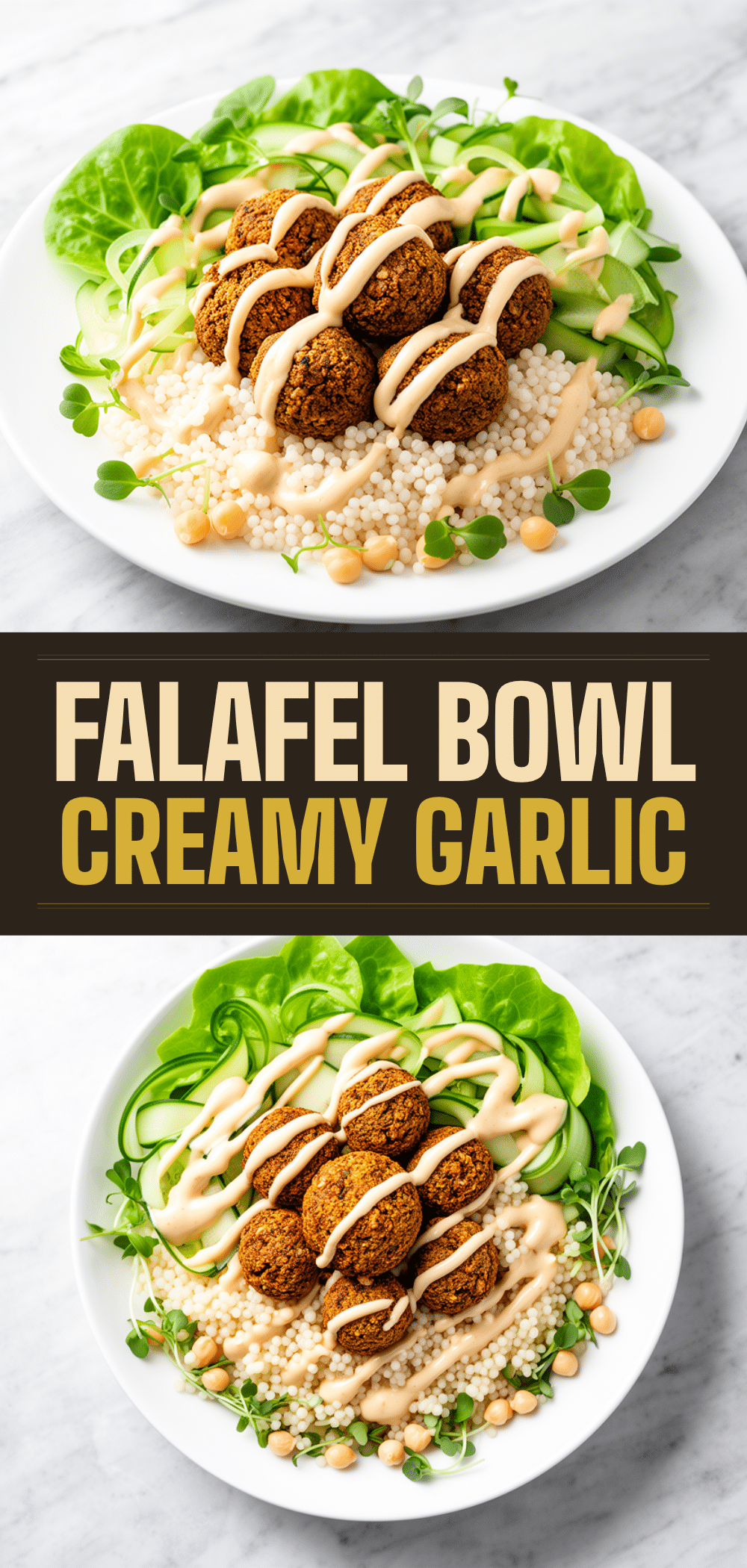
Mediterranean Falafel Bowl: Easy Healthy Lunch Ideas
- Total Time: 75 minutes
- Yield: 4 servings 1x
Description
A vibrant and nutritious Mediterranean Falafel Bowl featuring crispy baked falafel, cool garlic tahini sauce, and fresh vegetables over warm couscous or quinoa. This meal-prep friendly recipe is filling, flavorful, and perfect for a healthy lunch or dinner.
Ingredients
- 1 cup dried chickpeas (soaked overnight)
- 1 cup packed fresh herbs (parsley and cilantro mix)
- 1 medium yellow onion, roughly chopped
- 4 cloves fresh garlic
- 1 tsp ground cumin
- 1 tsp ground coriander
- 1 tsp salt
- 1 tsp aluminum-free baking powder
- 2 tbsp flour or chickpea flour
- Olive oil (for drizzling)
- 1/2 cup tahini
- 1/4 cup fresh lemon juice
- 2 cloves garlic, minced
- 2–4 tbsp ice water
- 1 cup dry couscous or quinoa
- 1 medium cucumber, diced
- 1 cup cherry tomatoes, halved
- 1/2 cup Kalamata olives, sliced
- 1/2 cup pickled turnips or radishes
- 1/2 cup feta cheese, crumbled (optional)
- Fresh mint or parsley for garnish
Instructions
- Soak 1 cup of dried chickpeas in cold water for 12-24 hours until doubled in size. Drain and rinse thoroughly.
- In a food processor, pulse soaked chickpeas, chopped onion, garlic, and fresh herbs until the mixture resembles coarse sand. Do not puree.
- Add cumin, coriander, salt, baking powder, and flour to the processor. Process until the mixture sticks together when pinched. If too dry, add water; if too wet, add more flour.
- Transfer mixture to a bowl and refrigerate for 30 minutes to firm up.
- Preheat oven to 400°F (200°C). Line two baking sheets with parchment paper.
- Shape the mixture into 20-24 balls or patties (about 1-2 tablespoons each) and place on baking sheets.
- Drizzle falafel lightly with olive oil and bake for 20-25 minutes, flipping halfway through, until golden brown and crispy.
- While falafel bakes, whisk tahini and lemon juice in a small bowl until thick. Add minced garlic and 2 tablespoons of ice water, whisking vigorously.
- Add more ice water one tablespoon at a time until the sauce is smooth, creamy, and pourable. Season with salt.
- Cook couscous or quinoa according to package directions. Toss with a little olive oil and lemon juice.
- Assemble bowls by dividing grains, then topping with falafel, cucumber, tomatoes, olives, pickled turnips, and feta.
- Drizzle generously with garlic tahini sauce and garnish with fresh herbs. Serve immediately.
Notes
Do not use canned chickpeas as they result in mushy falafel. Always use ice water for the tahini sauce to achieve a creamy texture. Store components separately in the fridge for up to 4 days to maintain freshness and crispiness. Reheat falafel in the oven to keep them crispy.
- Prep Time: 30 minutes
- Cook Time: 45 minutes
- Category: Main Course
- Cuisine: Mediterranean
Nutrition
- Serving Size: 1 bowl
- Calories: 450
- Sugar: 6
- Sodium: 600
- Fat: 20
- Saturated Fat: 3
- Carbohydrates: 52
- Fiber: 12
- Protein: 18
Keywords: falafel bowl, healthy lunch, meal prep, Mediterranean diet, vegan lunch, tahini sauce, baked falafel, chickpea recipe