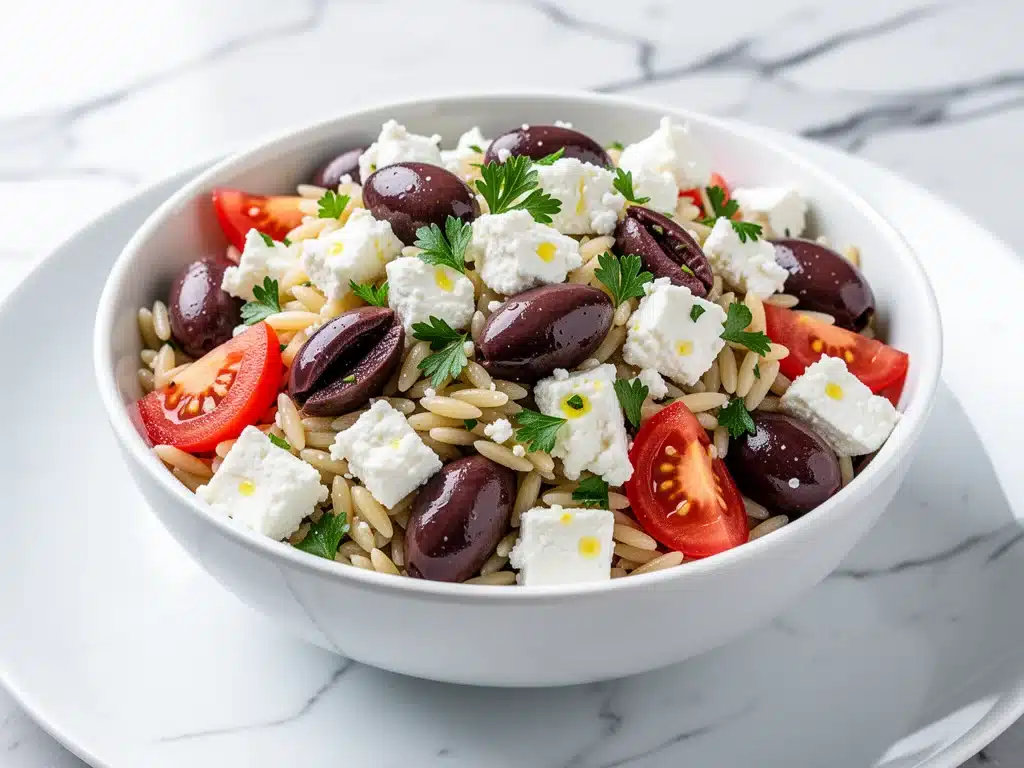
I have a confession to make. About three years ago, I developed a serious relationship with orzo. It started innocently enough—I bought a box of it because it looked like fancy rice at the grocery store, and I thought it would be a fun twist on my usual pasta rotation. I was not prepared for how much it would change my life. Specifically, I wasn’t prepared for how perfectly it handles the “I have nothing in the fridge but leftovers” crisis.
That’s where this Tangy Greek Orzo Salad comes in. It’s not just a salad. It’s my secret weapon for weeknight dinners when I’m exhausted, when the kids are arguing over who gets the last slice of pizza, and when I absolutely do not want to stand over a stove for more than twenty minutes. I’ve made this Greek orzo salad probably fifty times since I first discovered it. Fifty. And I’m not even tired of it. It’s that reliable. It’s that good.
The magic isn’t in complex techniques or hard-to-find ingredients. It’s in the combination of chewy, pearl-shaped pasta, briny Kalamata olives, sharp feta cheese, and a lemon-herb dressing that punches way above its weight class. It’s tangy, fresh, and satisfyingly substantial. You can eat it warm, at room temperature, or cold straight from the fridge the next day (which, let’s be honest, is when it’s actually best). It’s the kind of dish that feels like a vacation, but it takes less time than ordering takeout.
If you’re looking for a weeknight dinner that doesn’t feel like a compromise, this is it. It’s colorful, it’s flavorful, and it’s stupidly easy. I promise you’ll want to add it to your regular rotation. Just don’t blame me when your family starts asking for this specific salad every single week. I’ve warned you.
Why You’ll Love This Tangy Greek Orzo Salad
There are a lot of salads out there. Some are sad bowls of wilted lettuce. Some are overly complicated with five different dressings and ingredients you need a map to find. This Tangy Greek Orzo Salad is different. It’s hearty enough to be a main course, fresh enough to feel healthy, and simple enough to throw together on a Tuesday night when you’re running on fumes.
Here’s why this recipe has earned a permanent spot in my kitchen:
- One-Bowl Wonder — Seriously, you can make the entire thing in a single large bowl. No fancy equipment, no complicated assembly. Just chop, toss, and eat. I’ve made this while holding a toddler on my hip. It happens.
- Meal Prep Champion — This salad actually improves overnight. The orzo absorbs the dressing, the flavors meld together, and by day two, it’s even more delicious. I make a big batch on Sunday and eat it for lunch three days in a row. It’s my go-to work lunch because it doesn’t get soggy like lettuce salads do.
- Pantry and Fridge Staples — You probably have 80% of these ingredients already. Orzo, olive oil, lemon, feta, olives. These are things I keep stocked because I use them in everything from my mediterranean falafel bowl to simple grain bowls. It’s the ultimate “use what you have” recipe.
- Vegetarian-Friendly Heartiness — It’s packed with protein from the feta and the carbohydrates from the pasta, so you stay full. I often add grilled chicken or shrimp to it for a complete meal, but even on its own, it’s satisfying enough to stop the 3 PM snack attack.
- Temperature Versatility — Serve it warm as a side dish with roasted veggies, at room temperature for a picnic, or cold straight from the fridge. It doesn’t matter. It’s good in every scenario. I’ve brought this to potlucks and watched people go back for seconds before I could even finish introducing it.
This is the recipe I reach for when I want dinner to just work. No stress, no mess, just bright, bold flavors that make everyone at the table happy. It’s comfort food with a Mediterranean twist.
Ingredients You’ll Need
Here’s the best part: this ingredient list is short. I’m not asking you to go on a special shopping trip. You likely have most of this already. I’m particular about quality on just a few items, and I’ll tell you exactly why they matter.
For the Orzo Base
Orzo pasta (8 ounces / 225g) — This is the star. Orzo is a small, rice-shaped pasta that holds dressing beautifully. I use regular wheat orzo, but gluten-free orzo works too if you need it. Look for brands that cook al dente nicely. I’ve tried several, and I stick with the ones that don’t turn to mush. You’ll need about 1.5 cups cooked orzo for this recipe.
Water and salt — For boiling the pasta. Use plenty of salt in the water. It should taste like the ocean. This seasons the pasta from the inside out.
For the Fresh Crunch
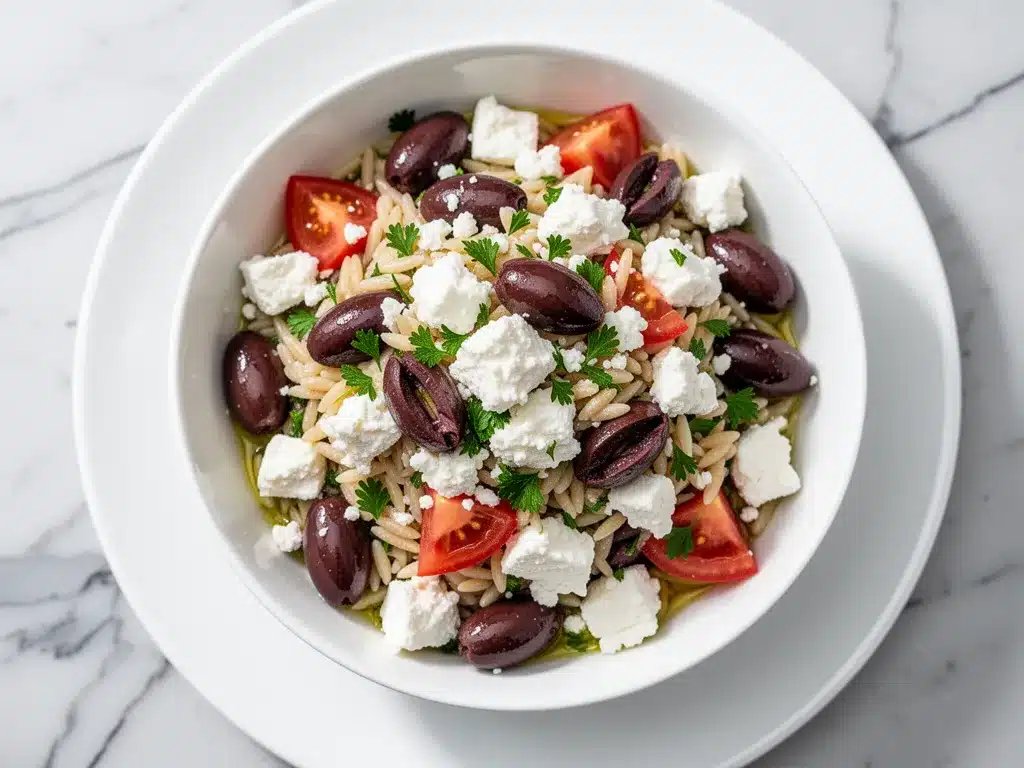
Cucumber (1 medium, diced / about 150g) — I use English cucumbers because they have fewer seeds and thinner skin. If you use regular cucumbers, peel them first. Dice them into small, bite-sized pieces. They add a cool, crisp contrast to the warm orzo.
Red onion (½ medium, finely diced / about 50g) — Raw onion can be sharp, so I like to soak the diced onion in cold water for 10 minutes before adding it to the salad. This takes the bite out and keeps it sweet and crunchy. If you’re sensitive to strong onion flavors, you can skip this or use green onions instead.
Cherry tomatoes (1 cup, halved / about 150g) — Sweet, juicy tomatoes balance the tangy dressing. I use whatever is in season. In the summer, I use vine-ripened tomatoes. In the winter, I use good quality grape tomatoes. They should be bright red and firm.
For the Flavor Punch
Kalamata olives (½ cup, pitted and halved / about 75g) — These are non-negotiable. They’re briny, meaty, and add that essential Mediterranean saltiness. Don’t substitute with green olives unless you have to—Kalamatas have a deeper, richer flavor that defines this salad.
Feta cheese (½ cup, crumbled / about 75g) — Buy a block and crumble it yourself. Pre-crumbled feta is often dried out and salty in a bad way. Fresh feta is creamy and tangy. If you want a milder flavor, you can mix half feta with half goat cheese, but pure feta is the classic choice.
For the Lemon-Herb Dressing
Extra virgin olive oil (3 tablespoons / 45ml) — Use good quality here. Since there are no cooked elements to mask the flavor, your oil will shine. I keep a bottle of decent extra virgin olive oil just for dressings. It makes a noticeable difference.
Fresh lemon juice (3 tablespoons / 45ml, about 2 lemons) — Fresh is mandatory. Bottled lemon juice tastes flat and metallic. Squeeze two lemons and strain out the seeds. You want bright, acidic juice to cut through the richness of the feta and olive oil.
Dried oregano (1 teaspoon) — Greek oregano is best, but regular dried oregano works fine. Rub it between your palms before adding it to release the oils. It adds that classic herbal aroma.
Garlic (1 clove, minced / about 1 teaspoon) — Fresh garlic only. No jarred stuff. Mince it finely so it disperses evenly in the dressing.
Salt and black pepper — To taste. Remember, the olives and feta are already salty, so go easy on the added salt until you taste it.
Optional Add-ins — I sometimes add fresh parsley (2 tablespoons, chopped) for color and freshness. You can also add artichoke hearts, roasted red peppers, or chickpeas for extra protein. I’ve also used this dressing as a base for my harvest salads with great success, though the orzo version is my favorite.
Equipment Needed
You don’t need anything fancy for this. Here’s what I actually use:
Medium saucepan — For boiling the orzo. A 3-quart pot works perfectly. It doesn’t need to be big, just deep enough to hold the water and pasta without splashing.
Colander — For draining the pasta. A simple mesh colander works fine. I like hanging mine over the sink to save counter space.
Large mixing bowl — A wide bowl is best so you can toss everything evenly. I use a large ceramic bowl because it’s heavy and doesn’t slide around.
Small whisk or fork — For emulsifying the dressing. You don’t need a fancy whisk. A regular fork works great to whisk the oil and lemon juice together.
Sharp knife and cutting board — For dicing the cucumber, onion, and tomatoes. Make sure your knife is sharp. Dicing cucumbers with a dull knife is a recipe for squished, uneven pieces.
Measuring cups and spoons — For the dressing. I measure my olive oil and lemon juice to keep the balance right. Too much oil makes it greasy; too much lemon makes it sour.
Optional: Garlic press — I love my garlic press because it makes mincing one clove effortless. But a knife works too. Just be careful with your fingers.
How to Make It: Step-by-Step
Alright, let’s make this! I’m walking you through exactly how I do it, including the little tricks I’ve picked up over time. It’s simple, but there are a few key moments to pay attention to.
Step 1: Cook the Orzo (10-12 minutes)
Bring a medium pot of salted water to a boil. The water should taste salty, like soup stock. Add the orzo and stir immediately to prevent sticking. Cook according to package directions until al dente—usually 8-10 minutes. Orzo cooks faster than regular pasta, so keep an eye on it. I like mine with a slight bite, so I pull it off the heat a minute early. Once cooked, drain the orzo in a colander and rinse it briefly with cool water. This stops the cooking process and cools it down so it’s ready to mix. Set it aside to cool completely. You can speed this up by spreading it on a baking sheet.
Step 2: Prep the Vegetables (5 minutes)
While the orzo cooks, prep your veggies. Dice the cucumber into small, even pieces. If you’re using a regular cucumber, peel it first. Finely dice the red onion. If you want to mellow the onion’s bite, soak the diced onion in a bowl of cold water for 10 minutes, then drain and pat dry. Halve the cherry tomatoes. Pit and halve the Kalamata olives. Everything should be bite-sized so it’s easy to eat with a fork.
Step 3: Make the Dressing (2 minutes)
In a small bowl or jar, combine the extra virgin olive oil, fresh lemon juice, minced garlic, dried oregano, salt, and black pepper. Whisk vigorously or shake the jar tightly until the mixture is emulsified and slightly thickened. The dressing should look creamy and opaque, not separated. Taste it and adjust. If it’s too sour, add a tiny bit more oil. If it’s too bland, add a pinch more salt or a squeeze of lemon.
Step 4: Toss Everything Together (2 minutes)
In your large mixing bowl, combine the cooled orzo, diced cucumber, red onion, cherry tomatoes, and Kalamata olives. Pour the dressing over the top. Use tongs or a large spoon to toss everything until the orzo and vegetables are evenly coated. The orzo will start to absorb the dressing immediately, which is good—it means the flavors are melding.
Step 5: Add the Feta and Chill (10 minutes minimum)
Gently fold in the crumbled feta cheese. Don’t overmix, or the feta will break into tiny crumbs. You want nice chunks of cheese in every bite. Cover the bowl with plastic wrap and refrigerate for at least 10 minutes, but ideally 30 minutes to an hour. This chilling time allows the orzo to absorb the dressing and the flavors to come together. It’s tempting to eat it right away, but patience pays off.
Total Time: About 25 minutes (10 minutes active, 15 minutes mostly hands-off).
Troubleshooting Tips:
- Salad is too dry: The orzo absorbs a lot of liquid. Add another tablespoon of olive oil or a splash of lemon juice if it looks dry after chilling.
- Too salty: If your feta or olives are very salty, reduce the added salt in the dressing. Taste before adding more.
- Orzo is mushy: You might have overcooked it. Next time, check it a minute earlier. Orzo continues to cook slightly even after draining.
Expert Tips & Tricks
Here’s everything I’ve learned from making this dozens of times. These tips will save you from my mistakes and ensure your salad is perfect every time.
Don’t Skip the Cooling Step
Hot orzo will wilt the cucumber and make the salad watery. Rinsing the orzo with cool water stops the cooking and cools it down quickly. If you’re in a hurry, spread it on a baking sheet and put it in the fridge for 10 minutes. Cold orzo holds its shape better in the salad.
Emulsify Your Dressing
Whisking the oil and lemon juice until it’s creamy ensures the dressing coats every piece of orzo evenly. If you just pour the oil and lemon on top, you’ll get greasy spots and sour spots. A little effort here makes a big difference in flavor distribution.
Use Good Feta
I can’t stress this enough. Good feta is creamy, tangy, and crumbles easily. Bad feta is dry, crumbly, and overly salty. Look for feta stored in brine in the dairy section, not the pre-packaged shreds. Crumble it yourself for the best texture.
Let It Chill
I know you want to eat it now. But letting the salad chill for 30 minutes allows the orzo to absorb the dressing and the flavors to meld. It’s the difference between a salad that tastes like separate ingredients and one that tastes like a cohesive dish. Trust me on this.
Adjust for Temperature
If you’re serving this warm, add the dressing right after cooking the orzo while it’s still warm. The warm orzo will absorb the dressing faster. If serving cold, chill it as directed. The salad is versatile enough for both.
Pro Trick: Toast the Nuts
If you add walnuts or pine nuts to the salad, toast them in a dry pan for 2-3 minutes before adding. It brings out their nutty flavor and adds a nice crunch. I often add toasted walnuts to my oven-baked chicken dishes, and they work great here too.
Variations & Substitutions
Once you’ve nailed the basic version, here’s how you can mix it up. I’ve tried all of these, and they’re all delicious.
Protein-Packed Version
Add 1-2 cups of grilled chicken breast, sliced. Or add canned chickpeas (rinsed and drained) for a vegetarian protein boost. I often add chickpeas to make it more filling for lunch. You can also add shrimp or falafel for a different vibe. This works well alongside my mediterranean falafel bowl theme.
Artichoke Heart Addition
Add ½ cup of marinated artichoke hearts, chopped. They add a tender, slightly tangy flavor that pairs perfectly with the lemon and feta. This is one of my favorite additions for a more gourmet feel.
Roasted Red Pepper Twist
Swap the cherry tomatoes for roasted red peppers (jarred or fresh). They add a sweet, smoky flavor that contrasts nicely with the bright lemon. I use jarred peppers for convenience, but fresh roasted ones are amazing if you have time.
Herb-Forward Version
Add ¼ cup of fresh chopped parsley or mint. Fresh herbs brighten up the salad and add a fresh aroma. I usually add parsley, but mint is delicious if you want a more Greek taverna feel.
Gluten-Free Option
Use gluten-free orzo. Most brands work well, but check the package for cooking times. The rest of the recipe is naturally gluten-free.
Dairy-Free Option
Swap the feta for a dairy-free feta alternative or omit it entirely. Add extra olives or nuts for saltiness and texture. It’s still delicious without the cheese.
Spicy Kick
Add a pinch of red pepper flakes to the dressing or slice in a fresh jalapeño. It adds a nice heat that balances the cool cucumber and feta.
Serving & Storage
How to Serve:
I usually serve this straight from the bowl at the dinner table. It’s rustic and inviting. It pairs well with grilled chicken, fish, or just on its own as a light meal. I often serve it with crusty bread or pita to soak up the dressing. It’s also great as a side dish for barbecues or potlucks.
Side Dishes:
- Grilled chicken or shrimp
- Crusty bread or pita wedges
- Simple green salad with vinaigrette
- Roasted vegetables
Storage Instructions:
Refrigerator: Store in an airtight container for up to 4 days. The salad gets better after the first day as the flavors meld. It’s perfect for meal prep lunches.
Reheating: Do not reheat this salad. The orzo will become mushy, and the vegetables will wilt. Eat it cold or at room temperature.
Freezing: Do not freeze. The cucumber and tomatoes will become watery and soft upon thawing. The texture will be ruined. Make it fresh.
Pro Tip: If the salad looks dry after storing, add a splash of lemon juice and a drizzle of olive oil before serving. It refreshes the flavors and adds moisture.
Nutrition Information
I’m not a nutritionist, but here’s the breakdown if you’re tracking. This is per serving (based on 4 servings).
| Nutrient | Amount |
|---|---|
| Calories | 320 |
| Protein | 8g |
| Carbs | 38g |
| Fiber | 3g |
| Sugar | 4g |
| Fat | 16g |
| Saturated Fat | 5g |
| Cholesterol | 20mg |
| Sodium | 450mg |
What’s Good: It’s a good source of carbohydrates for energy, and the olive oil provides healthy fats. The feta adds calcium and protein. It’s a balanced meal that keeps you full.
What to Know: It’s higher in sodium due to the olives and feta. If you’re watching salt, use low-sodium feta and rinse the olives. It’s also not suitable for vegans or dairy-free diets unless modified.
Final Thoughts
So that’s my go-to Tangy Greek Orzo Salad! I’ve probably talked your ear off at this point, but when you make a recipe this often, you have a lot to say about it. This salad has saved my weeknight dinners more times than I can count. It’s my answer to “what’s for dinner” when I’m tired, don’t want takeout, and still want something that tastes really good. My kids are happy, my husband’s happy, and I’m happy because I’m not stressed about cooking.
Make it yours! Try different add-ins, swap in your favorite vegetables, adjust the garlic (though more is always better in my opinion). The best recipes are the ones you adapt to your family’s tastes. If you make this, drop a comment and let me know what you think! I love hearing how recipes turn out in your kitchen. And if something doesn’t work, tell me that too—I’m here to help troubleshoot.
Happy cooking! And I hope your kitchen smells half as good as mine does right now. This salad is fresh, bright, and ready to become your new favorite weeknight meal.
Frequently Asked Questions
Can I use regular pasta instead of orzo?
You can, but orzo is best for this salad. Its small size and shape hold the dressing well and make it easy to eat. If you use regular pasta, chop it into small pieces. Penne or rotini work okay, but it won’t have the same texture as orzo. I recommend sticking with orzo for the best result.
Why did my salad turn out watery?
This usually happens if you use cucumbers with high water content and don’t salt them first, or if you don’t rinse the orzo after cooking. Salting the cucumbers and letting them drain for 10 minutes removes excess water. Rinsing the orzo stops the cooking and removes surface starch, which can make the salad gummy. Also, don’t add the dressing until the orzo is completely cool.
Can I make this ahead for a party?
Yes! This salad actually benefits from being made ahead. You can make it up to 24 hours in advance. Store it in the fridge and bring it to room temperature before serving. The flavors will be even better. Just add the feta right before serving if you want it to stay distinct, or add it ahead if you prefer it to meld.
Can I use bottled lemon juice?
I really don’t recommend it. Fresh lemon juice has a bright, vibrant flavor that bottled juice lacks. Bottled juice often tastes flat and metallic, which can make the dressing taste off. It’s worth the extra minute to squeeze fresh lemons. The difference is noticeable.
How do I reheat leftovers?
Don’t reheat this salad. It’s meant to be eaten cold or at room temperature. Heating it will ruin the texture of the vegetables and the orzo. If you want to eat it warm, make it fresh and serve it immediately after mixing the hot orzo with the dressing.
Can I double this recipe?
Absolutely! Double all the ingredients and use a larger bowl. The cooking time for the orzo stays the same. I double this recipe when I’m meal-prepping for the week. Just make sure your bowl is big enough to toss everything evenly.
What kind of feta is best?
Look for feta stored in brine in the dairy section. It’s creamier and less salty than pre-packaged feta. Brands like Athos or Boar’s Head are good choices. Crumble it yourself for the best texture. Avoid pre-crumbled feta, which is often dry and dusty.
Pin This Recipe!
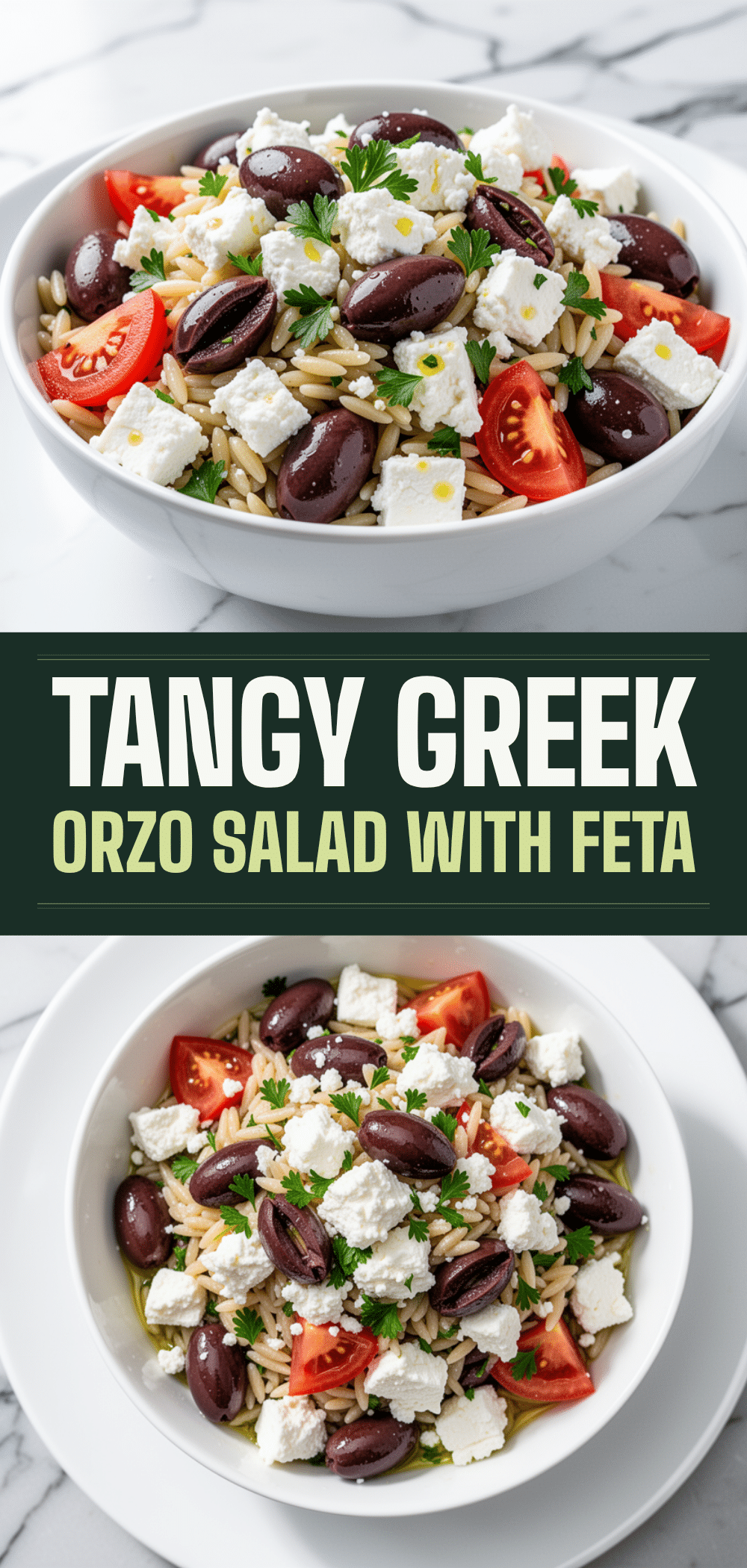
Tangy Greek Orzo Salad
- Total Time: 25 minutes
- Yield: 4 servings 1x
Description
A hearty, vegetarian weeknight dinner that combines chewy orzo pasta with fresh vegetables, briny Kalamata olives, and tangy feta cheese in a bright lemon-herb dressing. It is easy to make, improves overnight, and can be served warm, at room temperature, or cold.
Ingredients
- 8 ounces orzo pasta
- Water and salt (for boiling)
- 1 medium cucumber, diced (about 150g)
- 1/2 medium red onion, finely diced (about 50g)
- 1 cup cherry tomatoes, halved (about 150g)
- 1/2 cup Kalamata olives, pitted and halved (about 75g)
- 1/2 cup feta cheese, crumbled (about 75g)
- 3 tablespoons extra virgin olive oil
- 3 tablespoons fresh lemon juice
- 1 teaspoon dried oregano
- 1 clove garlic, minced
- Salt and black pepper to taste
- Optional: 2 tablespoons fresh parsley, chopped
Instructions
- Bring a medium pot of salted water to a boil. Add orzo and cook according to package directions until al dente (usually 8-10 minutes).
- Drain the orzo in a colander and rinse briefly with cool water to stop the cooking process. Set aside to cool completely.
- While the orzo cooks, prep the vegetables: dice the cucumber, finely dice the red onion (soak in cold water for 10 minutes to mellow the bite if desired), halve the cherry tomatoes, and pit/halve the Kalamata olives.
- In a small bowl or jar, whisk together the extra virgin olive oil, fresh lemon juice, minced garlic, dried oregano, salt, and black pepper until emulsified.
- In a large mixing bowl, combine the cooled orzo, cucumber, red onion, cherry tomatoes, and Kalamata olives.
- Pour the dressing over the mixture and toss until evenly coated.
- Gently fold in the crumbled feta cheese.
- Cover and refrigerate for at least 10 minutes, ideally 30 minutes to an hour, to allow flavors to meld before serving.
Notes
The salad improves overnight as the orzo absorbs the dressing. Do not reheat, as the orzo will become mushy and vegetables will wilt. If the salad looks dry after storing, add a splash of lemon juice and a drizzle of olive oil before serving. For a spicy kick, add red pepper flakes. For a protein boost, add grilled chicken, shrimp, or chickpeas.
- Prep Time: 15 minutes
- Cook Time: 10 minutes
- Category: Main Course
- Cuisine: Greek
Nutrition
- Serving Size: 1 serving
- Calories: 320
- Sugar: 4
- Sodium: 450
- Fat: 16
- Saturated Fat: 5
- Carbohydrates: 38
- Fiber: 3
- Protein: 8
Keywords: Greek orzo salad, weeknight dinner, vegetarian recipe, meal prep, lemon herb dressing, feta salad, easy pasta salad