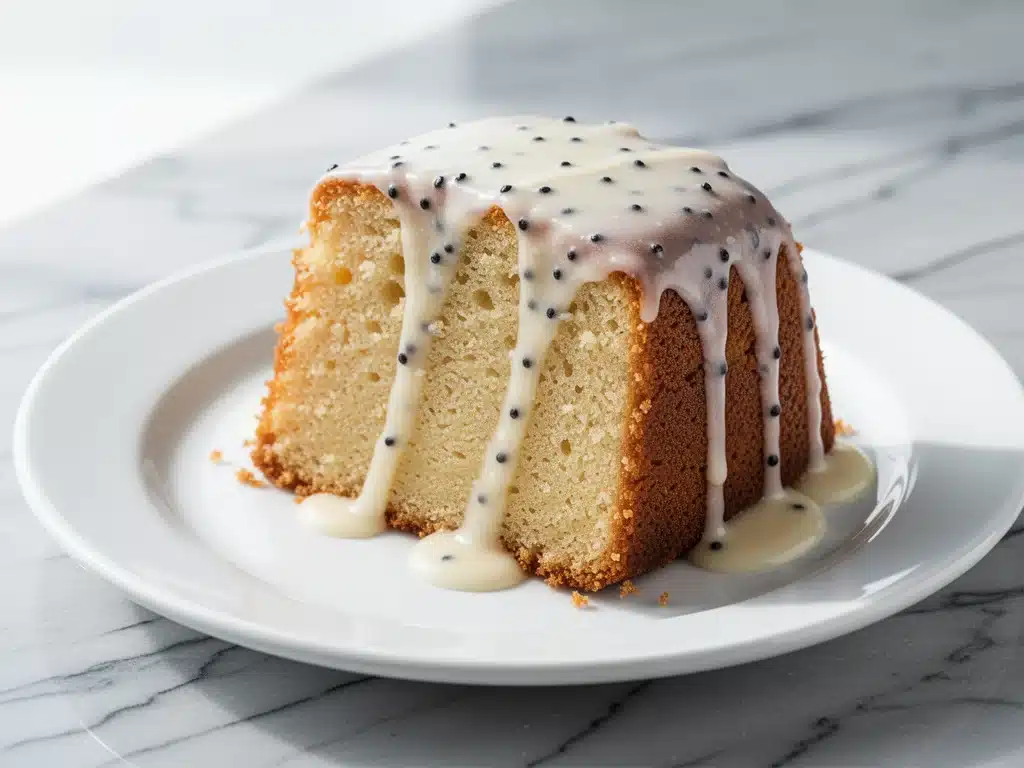
I remember the first time I made this classic Southern pound cake with vanilla bean glaze. It was a humid Saturday in July, the kind where the air feels like a warm wet towel, and I was desperate to bake something that felt substantial but not heavy. I had just come off a streak of failed meringues and a slightly burnt batch of banana bread (don’t ask), so my confidence was at an all-time low. My husband, who usually prefers something with a bit of spice or crunch, was eyeing the store-bought cupcakes in the grocery aisle. I told him to wait. I told him I had a plan.
That plan was this cake. The one with the dense, buttery crumb and that glossy, vanilla-scented glaze that drips down the sides in the most satisfying way. I pulled it out of the oven at 4:30 PM, and within ten minutes, the house smelled like a high-end bakery. The smell of browned butter and vanilla beans is basically a magic spell. It calms everyone down. It makes people stop checking their phones and start asking, “Is that for dessert?”
By evening, the store-bought cupcakes were still in the cart, untouched. My husband took a slice, closed his eyes, and said, “Okay, you win. Don’t ever stop making this.” That was five years ago. Since then, I’ve made this classic Southern pound cake with vanilla bean glaze at least thirty times. I’ve served it at brunches, potlucks, and quiet Tuesday nights. It’s never failed. It’s the baking equivalent of a well-worn leather jacket: reliable, timeless, and always looks good.
What I love most about this recipe is that it doesn’t require fancy techniques or expensive ingredients. You don’t need a stand mixer if you don’t want one. You don’t need food coloring or sprinkles. Just good butter, real vanilla, and a little bit of patience. It’s the kind of dessert that reminds you why you started cooking in the first place—simple, honest flavors that bring people together. If you’ve been looking for a showstopper that actually tastes as good as it looks, this is it.
Why You’ll Love This Classic Southern Pound Cake
There are a lot of cake recipes out there. Some are complicated, some are trendy, and some require seven different types of flour. This classic Southern pound cake with vanilla bean glaze cuts through all the noise. It’s the recipe I reach for when I want to impress guests without stressing myself out. Here’s why it’s become a permanent fixture in my kitchen rotation:
- It’s Actually Dense (In a Good Way) — I know, “dense” sounds like a bad thing. But in the world of pound cake, dense means rich, moist, and buttery. This isn’t a fluffy sponge cake that collapses if you look at it wrong. It holds its shape. It slices cleanly. It feels substantial on the plate, like a proper dessert should.
- The Glaze Is a Game-Changer — Most pound cakes are fine on their own, but this one gets a vanilla bean glaze that takes it over the top. The glaze isn’t just sugar water; it’s rich and creamy, with those tiny specks of vanilla bean that look gorgeous against the golden crust. It adds a layer of sweetness that balances the buttery crumb perfectly.
- It Improves With Time — This is the secret weapon of pound cakes. I’ve made this cake fresh and it’s great. But I’ve also made it three days in advance, wrapped it tightly, and let it sit. The flavors meld together, the moisture redistributes, and it tastes even better on day three. It’s the ultimate make-ahead dessert.
- It Pairs With Everything — I’ve served this with just a dusting of powdered sugar, but the glaze version is my favorite. It goes equally well with a cup of strong black coffee in the morning, a glass of port in the evening, or alongside some fresh berries. It’s versatile enough to be a breakfast treat or a formal dinner dessert.
- It’s Forgiving for Beginners — If you’ve been intimidated by baking, start here. This recipe doesn’t require tempering chocolate or whipping egg whites to stiff peaks. It’s a creaming method cake, which is straightforward. You mix, you bake, you glaze. The margin for error is huge. Even if your oven runs a little hot, this cake is sturdy enough to handle it.
Real talk? This cake has saved me more times than I can count. When I need to bring something to a church gathering, a neighbor’s housewarming, or just need to cheer myself up on a rainy Sunday, this is my go-to. It’s elegant enough for company but simple enough for a weeknight. Once you try it, you’ll understand why it’s a Southern classic.
Ingredients You’ll Need for the Perfect Pound Cake
One of the best things about this classic Southern pound cake with vanilla bean glaze is the ingredient list. It’s short, simple, and mostly pantry staples. But because there are so few ingredients, the quality of each one matters. You can’t hide behind complex flavors. Here’s what you need and why I’m picky about certain items.
For the Cake:
Unsalted Butter (1 cup / 226g) — This is the star of the show. I use high-quality European-style butter if I can find it, like Kerrygold or Plugra, because the higher fat content gives a richer flavor. Make sure it’s softened to room temperature. If you can press your finger into it and leave an indent, it’s ready. If it’s still cold, you’ll struggle to cream it properly.
Granulated Sugar (1 ½ cups / 300g) — Standard white sugar works best here. Brown sugar adds moisture but changes the flavor profile, making it more caramel-like. For that classic vanilla-pure taste, stick with white. I measure it by volume for this recipe, but if you want to be precise, use a kitchen scale.
Eggs (4 large, room temperature) — This is crucial. Cold eggs will curdle your butter mixture. Take them out of the fridge at least an hour before you start. If you forget, you can gently warm them in a bowl of warm water for five minutes. Room temp eggs emulsify better, creating a smoother, more uniform batter.
All-Purpose Flour (2 ½ cups / 315g) — I use Gold Medal or King Arthur. Don’t swap in cake flour unless you know what you’re doing; you want that classic dense texture. Spoon the flour into your measuring cup and level it off. Don’t scoop directly from the bag, or you’ll pack in too much flour and end up with a brick.
Salt (1 teaspoon) — Salt isn’t just for taste; it enhances the sweetness and balances the richness. I use kosher salt. If you use table salt, reduce it slightly.
Vanilla Bean Paste (2 teaspoons) — Or use 2 teaspoons of high-quality pure vanilla extract. The paste is better because it gives you those visible vanilla specks, which look beautiful in the glaze and add a bit of texture. But good extract works fine too.
Heavy Cream (2-3 tablespoons) — I add this to the batter to tenderize the crumb. It keeps the cake moist and adds a slight richness that butter alone can’t achieve.
For the Vanilla Bean Glaze:
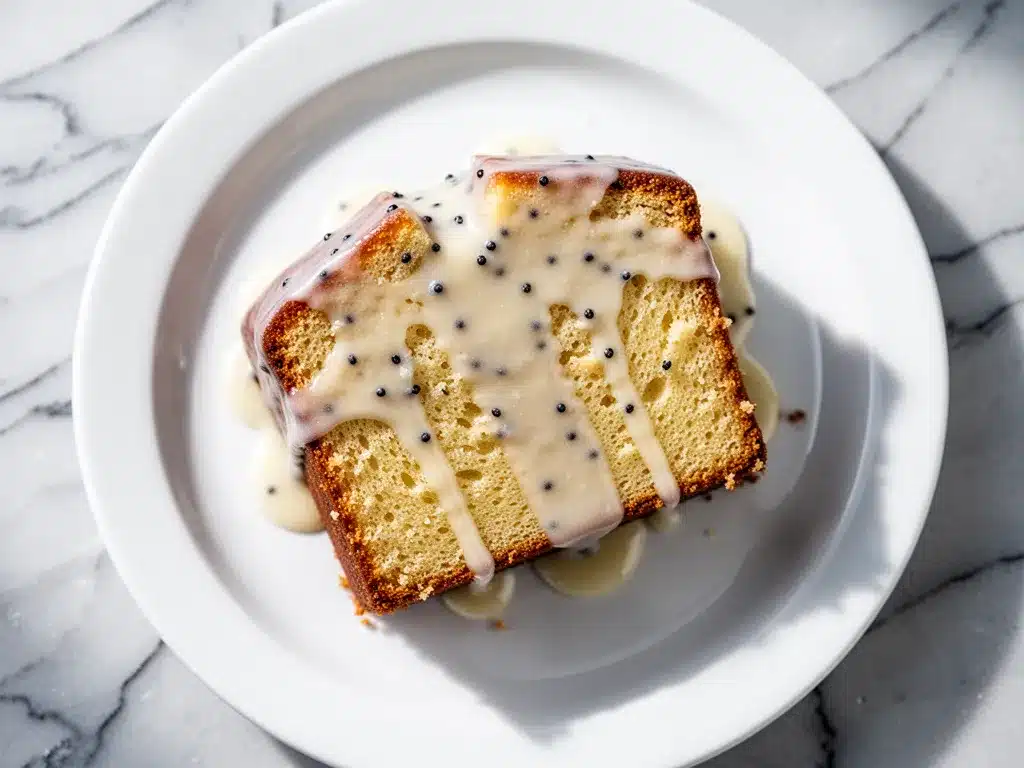
Confectioners’ Sugar (2 cups / 240g) — Sift this! It’s the difference between a smooth, glossy glaze and one with lumps. I use a fine-mesh sieve to make sure it’s perfectly smooth.
Unsalted Butter (2 tablespoons, melted) — This adds a silky texture to the glaze and helps it set with a nice sheen.
Vanilla Bean Paste (1 teaspoon) — Again, the specks are worth it. If you don’t have paste, use extract.
Heavy Cream (2-4 tablespoons) — Add this gradually. You want a drizzly consistency, not a thick paste. Some glazes are too thick; this one should pour easily but still coat the back of a spoon.
Pinch of Salt — Just a tiny pinch to balance the sweetness.
Quick tip: If you’re wondering about substitutions, you can use milk instead of heavy cream in the glaze, but the texture won’t be quite as rich. For the cake, you can’t really swap the butter. It’s a pound cake, after all. The butter is the foundation. Don’t skimp on quality.
Equipment Needed
You don’t need a fancy kitchen to make this classic Southern pound cake with vanilla bean glaze. Here’s what I actually use, based on years of baking in my home kitchen.
9×5-Inch Loaf Pan — This is the standard size for pound cakes. I use a metal pan, not glass or dark non-stick, because metal heats evenly and gives a better crust. If you only have glass, reduce the oven temperature by 25 degrees. I line my pan with parchment paper for easy removal, but a good greasing and flouring works too.
Mixer — I use a hand mixer for this. It’s easier to scrape the bowl and control the creaming process. A stand mixer with a paddle attachment works great too, but you’ll need to be careful not to overmix. If you’re mixing by hand, be prepared for some arm work, but it’s doable.
Mixing Bowls — One large bowl for the butter and sugar, one medium for the dry ingredients. I like having separate bowls so I can measure everything out beforehand.
Whisk and Spatula — A silicone spatula is essential for scraping the bowl. You want to get every bit of butter and sugar mixed in. A whisk is good for combining the flour and salt.
Cooling Rack — Let the cake cool in the pan for 10 minutes, then transfer it to a wire rack. This prevents the bottom from getting soggy from trapped steam.
Measuring Cups and Spoons — Basic stuff. I keep a set in my front drawer. Precision matters in baking, so use proper measuring tools, not the cups that come with your coffee mugs.
Pastry Brush — Optional, but nice for brushing the cake with syrup if you want extra moisture. I usually skip this because the glaze is plenty sweet.
How to Make It: Step-by-Step
Alright, let’s bake this classic Southern pound cake with vanilla bean glaze. I’m walking you through exactly how I do it, including the little tricks I’ve picked up over the years. It’s easier than you think.
Step 1: Prep Your Oven and Pan (5 minutes)
Preheat your oven to 325°F (165°C). This is lower than many cake recipes, which helps the cake bake evenly without burning the top. While it heats, grease your 9×5 loaf pan with butter or cooking spray. Then, line the bottom and sides with parchment paper, leaving a little overhang on the sides. This acts as a sling to lift the cake out later. Dust the parchment with a little flour and tap out the excess.
Step 2: Cream the Butter and Sugar (5-7 minutes)
In a large bowl, beat the softened butter and granulated sugar together on medium-high speed. This is the most important step. You’re trying to incorporate air into the mixture. Keep beating for about 5-7 minutes until the mixture is pale, fluffy, and doubled in volume. If you’re using a hand mixer, this might take a bit longer. Scrape down the sides of the bowl halfway through. The mixture should look like light whipped cream.
Step 3: Add Eggs and Vanilla (3 minutes)
Reduce the mixer speed to medium. Add the eggs one at a time, beating well after each addition. This prevents the mixture from breaking. If it looks curdled, don’t panic; just keep mixing, and it should come back together. Add the vanilla bean paste (or extract) and mix until combined. The mixture should be smooth and glossy.
Step 4: Mix Dry Ingredients (2 minutes)
In a separate medium bowl, whisk together the flour and salt. This ensures the salt is evenly distributed and aerates the flour slightly. You’re going to add this to the butter mixture in stages.
Step 5: Combine Wet and Dry (3-4 minutes)
With the mixer on low speed, add the flour mixture in three parts, alternating with the heavy cream. Start with flour, then cream, then flour, then cream, finishing with flour. Mix just until the flour disappears. Do not overmix! Overmixing develops gluten, which makes the cake tough. You want a tender crumb, so stop as soon as you see no more streaks of flour. The batter will be thick and heavy, which is normal.
Step 6: Bake the Cake (50-60 minutes)
Scrape the batter into your prepared loaf pan and smooth the top with a spatula. Bake at 325°F for 50-60 minutes. The cake is done when the top is golden brown, the sides pull away slightly from the pan, and a toothpick inserted into the center comes out clean or with just a few moist crumbs. If the top is browning too quickly, tent it loosely with aluminum foil after 30 minutes. Every oven is different, so start checking at 45 minutes.
Step 7: Cool the Cake (15 minutes)
Let the cake cool in the pan for 10-15 minutes. This allows it to set so it doesn’t fall apart when you remove it. Then, lift it out using the parchment sling and transfer it to a wire rack to cool completely. This step is crucial. If you try to glaze a warm cake, the glaze will melt and slide off. Wait until the cake is completely cool to the touch.
Step 8: Make the Glaze (5 minutes)
While the cake cools, make the glaze. In a medium bowl, whisk together the sifted confectioners’ sugar, melted butter, vanilla bean paste, salt, and 2 tablespoons of heavy cream. Whisk until smooth. If the glaze is too thick, add more cream, one teaspoon at a time. If it’s too thin, add a little more sugar. You want a consistency that pours easily but still coats the cake.
Step 9: Glaze and Serve
Place the cooled cake on a wire rack set over a baking sheet (to catch drips). Pour the glaze over the top, letting it drip down the sides. Use a spatula to help guide it. Let the glaze set for 15-20 minutes before slicing. This classic Southern pound cake with vanilla bean glaze is best served at room temperature.
Expert Tips & Tricks for Success
Here’s everything I’ve learned from making this cake dozens of times. These tips will save you from my mistakes and ensure your cake is perfect every time.
Room Temperature Ingredients Are Non-Negotiable
I can’t stress this enough. Cold eggs and cold butter will not emulsify properly. Your batter will look curdled and separated, and your cake will be dense and heavy. Take your butter and eggs out of the fridge at least an hour before baking. If you’re short on time, microwave the butter in 5-second bursts and warm the eggs in hot water.
Don’t Overmix the Batter
Once you add the flour, mix just until combined. Overmixing is the #1 reason pound cakes turn out tough. You want a tender, melt-in-your-mouth texture. If the batter looks a little lumpy when you stop mixing, that’s okay. It will smooth out during baking.
Use a Lower Oven Temperature
Pound cakes are dense, which means they take longer to bake. If you bake at 350°F or higher, the outside will burn before the inside is cooked. 325°F is the sweet spot. It allows the heat to penetrate to the center without scorching the crust.
Sift Your Sugar
Confectioners’ sugar tends to clump. Sifting it into your glaze ensures a smooth, lump-free finish. A lumpy glaze looks amateurish and affects the texture. It’s an extra step, but it’s worth it.
Let It Cool Completely
I know it’s tempting to glaze the cake while it’s still warm. Don’t do it. The heat will melt the glaze, and it’ll run off the sides, leaving you with a sticky mess. Patience pays off. Let it cool on a rack for at least an hour.
Store It Properly
Once the glaze is set, wrap the cake tightly in plastic wrap, then in aluminum foil. Store it at room temperature for up to 3 days. It stays moist and delicious. If you need to keep it longer, freeze it (un-glazed) for up to 2 months. Thaw overnight in the fridge, then glaze before serving.
Variations & Substitutions
Once you’ve mastered the basic version, here’s how you can mix it up. I’ve tried all of these, and they all work beautifully.
Lemon Pound Cake
Swap the vanilla bean paste for the zest of two lemons and 1 tablespoon of lemon juice in the batter. For the glaze, use lemon juice instead of cream and add lemon zest. It’s bright and refreshing, perfect for spring.
Chocolate Pound Cake
Replace ½ cup of flour with ½ cup of unsweetened cocoa powder. Add a pinch of espresso powder to enhance the chocolate flavor. The glaze can stay vanilla, or you can melt ½ cup of chocolate chips into the glaze for a double-chocolate treat.
Rum Glaze
Add 1-2 tablespoons of dark rum to the glaze instead of some of the cream. This adds a sophisticated depth of flavor, especially nice during the holidays. The alcohol cooks off slightly, leaving just the flavor.
Berry Swirl
Before baking, drop spoonfuls of mixed berry jam or fresh berries on top of the batter and swirl them in with a knife. It creates beautiful marbled patterns and adds bursts of fruity flavor.
Gluten-Free Option
You can use a 1:1 gluten-free flour blend, but the texture might be slightly crumblier. Add an extra egg to help bind it. It’s still delicious, just a bit different.
Dairy-Free Version
Use vegan butter and coconut cream in the glaze. The flavor will be slightly coconutty, but it’s still rich and satisfying. For the cake, the vegan butter needs to be soft but not melted.
Serving & Storage
This classic Southern pound cake with vanilla bean glaze is versatile. Here’s how I serve it and keep it fresh.
How to Serve
I usually slice it thick—about half an inch. It’s dense, so you don’t need much. Serve it with a cup of coffee, tea, or a glass of milk. It’s also great with fresh berries, whipped cream, or a scoop of vanilla ice cream. For a fancy touch, dust the slices with powdered sugar just before serving.
Storage Instructions
Room Temperature: Keep the cake wrapped tightly in plastic wrap and foil at room temperature for up to 3 days. It actually tastes better on day two as the flavors meld.
Refrigerator: I don’t recommend refrigerating pound cake. The cold dries it out and hardens the butter. It’s best at room temperature.
Freezer: For long-term storage, freeze the cake (un-glazed) in two layers of plastic wrap and foil. It will last up to 2 months. Thaw overnight in the fridge, then glaze when ready to serve.
Reheating
If you want to serve it warm, microwave a slice for 10-15 seconds. The butter will soften, and the vanilla aroma will be intense. Just be careful not to melt the glaze completely.
Nutrition Information
I’m not a nutritionist, but here’s the breakdown if you’re tracking. Keep in mind that this is a rich, buttery cake, so portions should be moderate.
Per Serving (based on 10 slices):
- Calories: 380
- Protein: 5g
- Carbs: 42g
- Fiber: 1g
- Sugar: 28g
- Fat: 22g
- Saturated Fat: 13g
- Cholesterol: 85mg
- Sodium: 210mg
Look, this is comfort food. It’s not a diet recipe. But it’s better than store-bought, costs less, and you know exactly what’s in it. When I make this, I enjoy a small slice and savor it. It’s about quality, not quantity.
Final Thoughts
So that’s my go-to classic Southern pound cake with vanilla bean glaze! I’ve talked your ear off, but when you make a recipe this often, you have a lot to say about it. This cake has been my anchor in the kitchen for years. It’s the one I make when I want to feel like I’m hosting a proper dinner party, or when I just need a quiet moment with a cup of tea.
It’s simple, honest, and deeply satisfying. And honestly, it’s probably better than that fall cinnamon apple cider bundt cake you might have seen floating around, though that one is pretty good too. This one is timeless. Make it, share it, and let me know how it turns out. Happy baking!
Frequently Asked Questions
Can I use vanilla extract instead of vanilla bean paste?
Yes, absolutely. Use the same amount. The paste just gives you those pretty specks. If you don’t have paste, extract works fine. The flavor will be slightly less complex, but still delicious.
Why is my pound cake cracked on top?
This is normal! Pound cakes often crack as they rise and set. It doesn’t affect the taste or texture. If you want a smoother top, you can tent the cake with foil halfway through baking to prevent the top from setting too quickly.
Can I make this cake ahead of time?
Yes! In fact, it’s better if you do. Bake the cake a day ahead, wrap it tightly, and let it sit at room temperature. Glaze it the day you plan to serve it. This gives the flavors time to meld and the cake to settle.
Can I freeze the glazed cake?
I don’t recommend freezing the glazed cake. The glaze can become sticky or crack when thawed. It’s better to freeze the un-glazed cake, then glaze it after thawing.
What if my batter looks curdled?
Don’t panic. This usually happens if the eggs were too cold or added too quickly. Just keep mixing on medium speed for a minute or two. The mixture should come back together. If it doesn’t, add a spoonful of flour to help stabilize it.
How do I know when the cake is done?
Use the toothpick test. Insert a toothpick into the center of the cake. If it comes out clean or with a few moist crumbs, it’s done. If it has wet batter on it, bake for 5 more minutes and check again.
Can I use a different pan size?
You can, but the baking time will change. If you use two smaller loaf pans, bake for 35-40 minutes. If you use a tube pan, bake for 55-65 minutes. Keep an eye on it and check for doneness early.
Pin This Recipe!
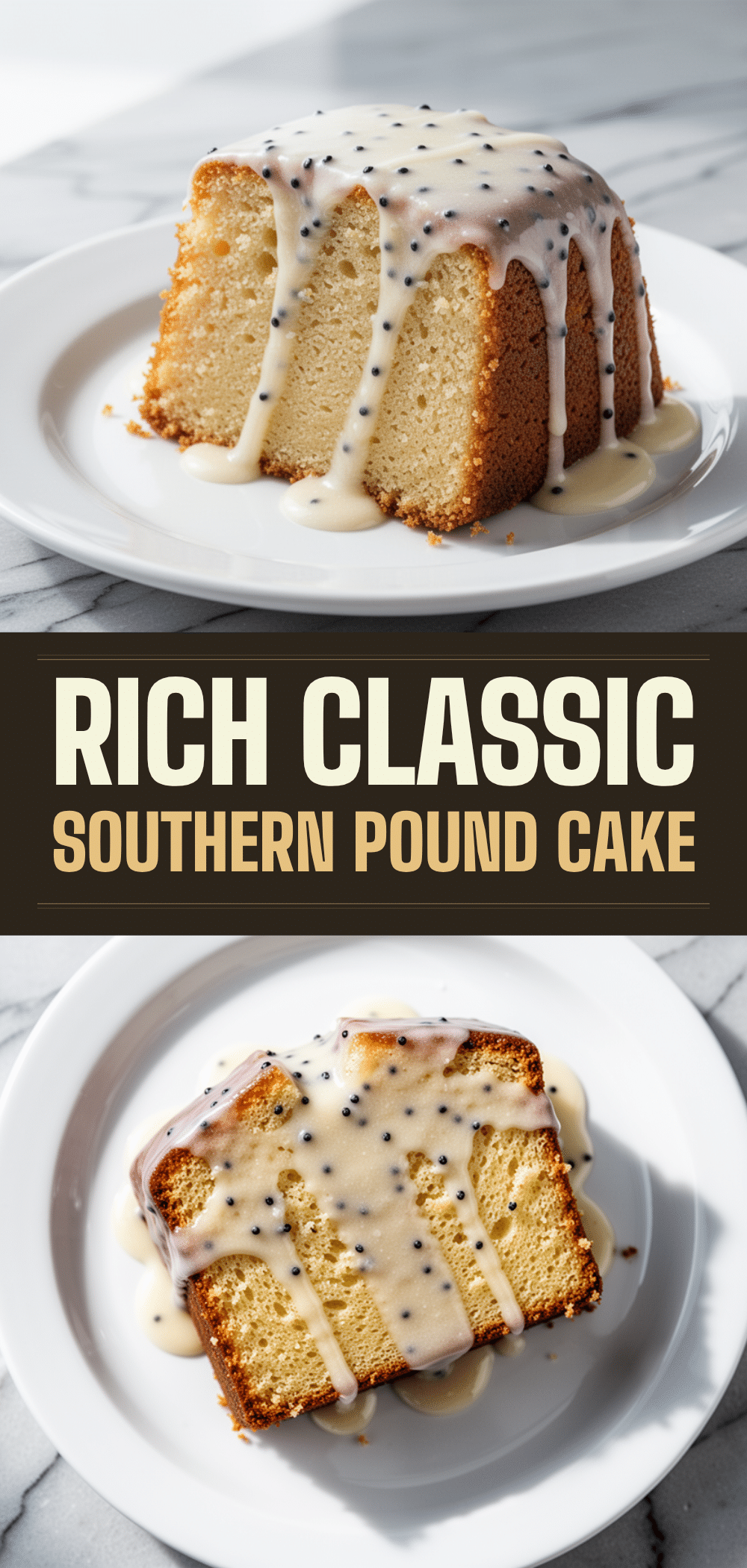
Classic Southern Pound Cake with Vanilla Bean Glaze
- Total Time: 1 hour 20 minutes
- Yield: 10 servings 1x
Description
A reliable, dense, and buttery Southern pound cake featuring a rich vanilla bean glaze. This forgiving recipe yields a moist crumb that improves with time, making it perfect for any occasion.
Ingredients
- 1 cup (226g) unsalted butter, softened to room temperature
- 1 ½ cups (300g) granulated sugar
- 4 large eggs, room temperature
- 2 ½ cups (315g) all-purpose flour
- 1 teaspoon kosher salt
- 2 teaspoons vanilla bean paste (or pure vanilla extract)
- 2–3 tablespoons heavy cream
- 2 cups (240g) confectioners’ sugar, sifted
- 2 tablespoons unsalted butter, melted
- 1 teaspoon vanilla bean paste
- 2–4 tablespoons heavy cream
- Pinch of salt
Instructions
- Preheat oven to 325°F (165°C). Grease a 9×5-inch loaf pan and line with parchment paper, leaving an overhang for easy removal. Dust with flour and tap out excess.
- In a large bowl, beat the softened butter and granulated sugar on medium-high speed for 5-7 minutes until pale, fluffy, and doubled in volume. Scrape down the sides of the bowl halfway through.
- Reduce mixer speed to medium. Add eggs one at a time, beating well after each addition to prevent curdling. Mix in the vanilla bean paste until combined.
- In a separate medium bowl, whisk together the flour and salt.
- With the mixer on low, add the flour mixture in three parts, alternating with the heavy cream (start and end with flour). Mix just until the flour disappears; do not overmix.
- Scrape the thick batter into the prepared loaf pan and smooth the top. Bake for 50-60 minutes, or until the top is golden brown and a toothpick inserted into the center comes out clean. Tent with foil if browning too quickly.
- Let the cake cool in the pan for 10-15 minutes, then lift it out using the parchment sling and transfer to a wire rack to cool completely.
- While the cake cools, whisk together the sifted confectioners’ sugar, melted butter, vanilla bean paste, pinch of salt, and 2 tablespoons of heavy cream. Add more cream as needed for a drizzly consistency.
- Place the cooled cake on a wire rack over a baking sheet. Pour the glaze over the top, allowing it to drip down the sides. Let the glaze set for 15-20 minutes before slicing.
Notes
Ensure all ingredients, especially butter and eggs, are at room temperature for proper emulsification. Do not overmix the batter once flour is added to avoid a tough texture. The cake tastes better after sitting for a day. Store wrapped tightly at room temperature for up to 3 days, or freeze un-glazed for up to 2 months.
- Prep Time: 20 minutes
- Cook Time: 50-60 minutes
- Category: Dessert
- Cuisine: Southern
Nutrition
- Serving Size: 1 slice
- Calories: 380
- Sugar: 28
- Sodium: 210
- Fat: 22
- Saturated Fat: 13
- Carbohydrates: 42
- Fiber: 1
- Protein: 5
Keywords: pound cake, vanilla bean glaze, southern dessert, easy baking, make ahead dessert, butter cake