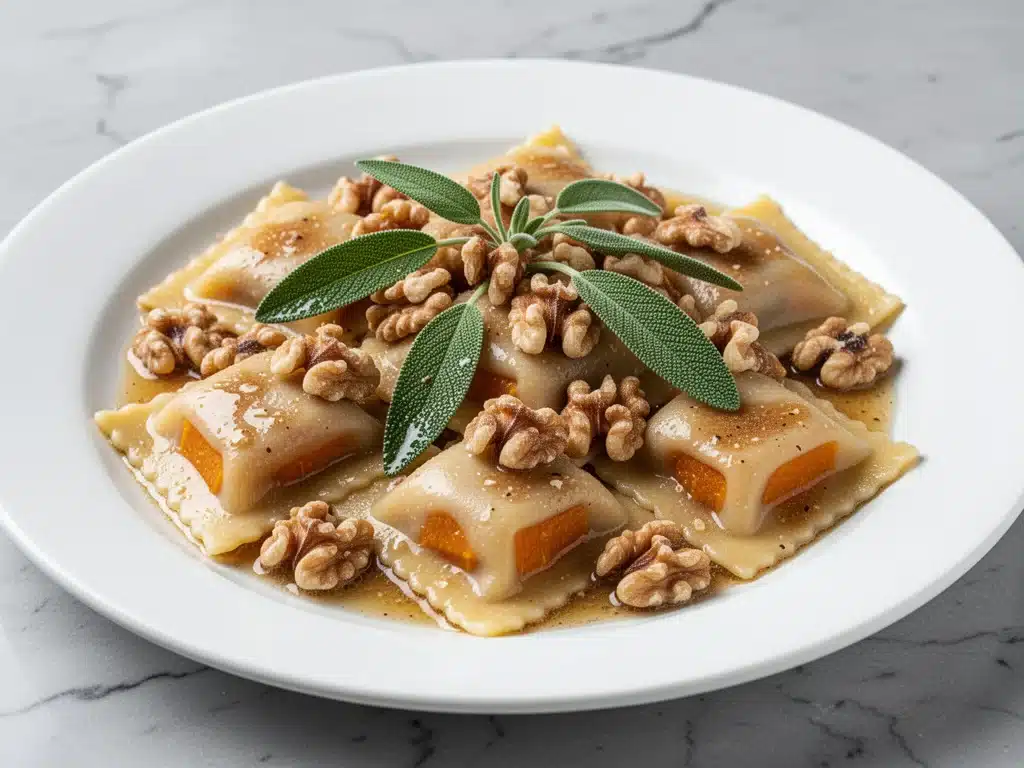
There is a specific kind of magic that happens when the first real chill hits the air. You know the one. It’s that Tuesday evening in October when you pull on your cardigan, the windows are fogged up, and suddenly, cereal feels like a betrayal. I’ve been there more times than I care to admit, staring into the fridge hoping a magical meal would materialize, only to find a wilting carrot and half a jar of pickles.
Last fall, I stumbled into a small bistro in Vermont that specialized in handmade pasta. I ordered the butternut squash ravioli on a whim, expecting something heavy and boring. Instead, I got a bowl of golden pillows in a nutty, brown butter sauce that tasted like autumn in a bite. It was warm, comforting, and deeply satisfying. I drove home that night with a takeout box in the passenger seat, determined to figure out how to recreate it. I failed twice. The first batch was too watery; the second was dry as cardboard. But on the third try, I cracked the code.
Now, this butternut squash ravioli with sage brown butter has become my ultimate cozy fall ritual. It’s the recipe I make when I want to feel fancy but only have thirty minutes to spare. And here’s the truth: making fresh pasta at home doesn’t have to be intimidating. With this easy homemade recipe, you don’t need a pasta machine or a degree in culinary arts. You just need a rolling pin, some patience, and a willingness to get a little flour on your counter.
I’ve tested this method until my kitchen smelled like roasted squash and sage for weeks. The result? Tender, delicate pockets of sweet squash filling that melt in your mouth, finished with a sauce that’s rich, nutty, and fragrant. It’s the kind of dish that makes your family ask if you’re ordering out, but it’s actually made with ingredients you probably have on hand. It’s my answer to “what’s for dinner” when I want to feel like I’ve done something special, but I’m too tired to cook a complicated meal.
Why You’ll Love This Recipe
This isn’t just another fall pasta dish. It’s a mood, a comfort, and a weekend project all rolled into one. Here’s why this butternut squash ravioli keeps earning a spot in my weekly rotation:
- It’s Surprisingly Fast — I know, “homemade pasta” sounds like a day-long project. But this easy homemade recipe comes together in about 30-40 minutes. The squash cooks while you prep, and the pasta dough comes together in minutes. It’s faster than waiting for a delivery driver.
- Pantry-Friendly Ingredients — You likely have most of this already. Flour, eggs, squash, butter, sage. It’s simple, unpretentious food. No weird gadgets or hard-to-find ingredients from three different countries.
- Vegetarian Comfort Food — It’s hearty enough to feel like a main course, but light enough that you don’t feel sluggish afterward. It’s perfect for those nights when you want something rich but don’t want meat.
- Impressively Elegant — Serve this to guests, and they’ll think you went to culinary school. The brown butter sage sauce looks and smells like it came from a high-end restaurant, but it’s basically just butter and herbs.
- Freezer-Friendly — I often make a double batch of dough and freeze the raw ravioli. When a craving hits at 7 PM on a Wednesday, I just boil them from frozen. It’s my secret weapon for busy weeknights.
This recipe has saved me from takeout fatigue more times than I can count. It’s my go-to when I need dinner to just work, but I still want to feel like I treated myself. No complicated techniques, no stress, just reliable, delicious food that makes everyone happy.
Ingredients You’ll Need
Here’s the best part: this butternut squash ravioli with sage brown butter relies on quality, simple ingredients. You don’t need a lot, but what you do use matters. I’m particular about three things here, and I’ll tell you exactly why.
For the Squash Filling
Butternut squash (1 medium, about 2-3 lbs) — Look for one that feels heavy for its size and has a matte, tan skin. I roast it whole or cut in half, but you can also use canned squash in a pinch (just drain it really well). The key is getting the moisture out so the filling isn’t watery.
Butter (2 tablespoons) — Unsalted is best so you control the salt. This gets mixed into the warm squash to add richness.
Nutmeg (¼ teaspoon, freshly grated) — Trust me on this. A little nutmeg transforms squash from “vegetable” to “dessert-like comfort.” Don’t use pre-ground if you can help it; it’s weak. Grate a tiny piece of nutmeg pod.
Parmesan cheese (¼ cup, freshly grated) — Adds a salty, umami punch that balances the sweetness of the squash. Buy a block and grate it yourself. Pre-grated cheese has anti-caking agents that make the texture gritty.
Garlic (1 clove, minced) — Just one. You want a hint of savory depth, not a garlic bomb.
For the Pasta Dough
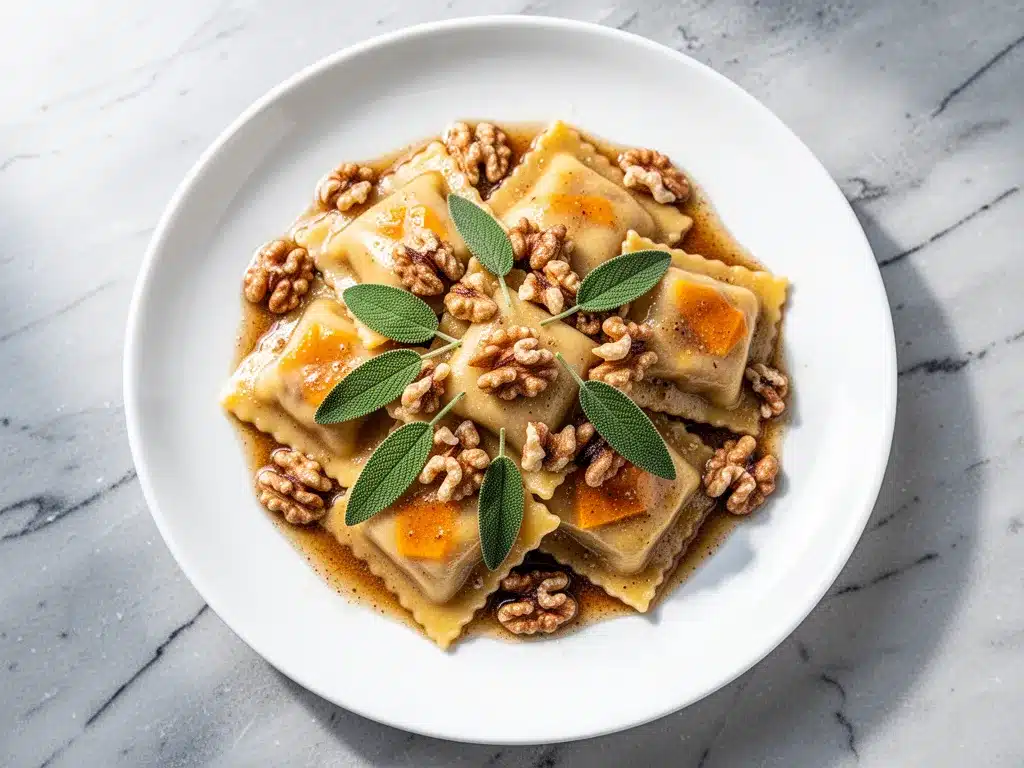
All-purpose flour (1 ½ cups / 190g) — I use King Arthur for consistency, but any good AP flour works. You need a little protein structure to hold the filling.
Eggs (2 large, room temperature) — Yes, raw eggs in the dough. It’s safe and gives that beautiful yellow color. Room temp eggs mix better than cold ones.
Olive oil (1 tablespoon) — Helps keep the dough tender and pliable.
Salt (½ teaspoon) — For flavor in the dough itself.
For the Sage Brown Butter Sauce
Unsalted butter (4 tablespoons) — Don’t skimp. The sauce is mostly butter, so use good quality. I like European-style butter for the higher fat content.
Fresh sage leaves (12-15 leaves) — Fresh is non-negotiable here. Dried sage tastes like potpourri. Look for bright green, fragrant leaves.
Red pepper flakes (½ teaspoon, optional) — Just a pinch to cut through the richness. It adds a tiny kick that keeps the dish from being too heavy.
Extra Parmesan (for serving) — Because more cheese is always better.
Equipment Needed
You don’t need fancy equipment for this. Here’s what I actually use. If you don’t have these, don’t worry—I’ve made this with substitutes, and it still worked.
Baking sheet — For roasting the squash. Line it with parchment paper for easy cleanup. I use my largest sheet pan.
Food processor (optional) — Makes the squash filling smooth and easy. But if you don’t have one, a potato masher works fine. It just takes a bit more arm strength.
Rolling pin — A standard wooden rolling pin is perfect. I don’t use a pasta machine because I like the rustic, uneven texture it gives the dough. It holds the sauce better.
Large skillet — 12-inch is ideal for the brown butter sauce. It needs surface area to brown the butter properly.
Large pot — For boiling the pasta. Needs to hold 4-6 quarts comfortably.
Cheese grater — A microplane or box grater for the Parmesan. Or a nutmeg grater if you’re being fancy with the nutmeg.
Pastry brush (optional) — For brushing the edges of the pasta with water before sealing. I use my finger if I’m being lazy, but a brush is cleaner.
Slotted spoon — To lift the ravioli out of the boiling water. A regular slotted spoon works, just be gentle.
How to Make It: Step-by-Step
Alright, let’s make this! I’m walking you through exactly how I do it, including the little tricks I’ve picked up so you don’t end up with a sticky mess or watery filling.
Step 1: Roast the Squash (20-30 minutes)
Preheat your oven to 400°F (200°C). Cut the butternut squash in half lengthwise, scoop out the seeds, and place it cut-side down on a baking sheet. Roast for 25-30 minutes until a fork slides in easily. Let it cool, then scoop out the flesh. Mash it in a bowl with the 2 tablespoons of butter, nutmeg, Parmesan, garlic, and a pinch of salt. The mixture should be thick and paste-like. If it’s too wet, spread it on a paper towel and press out the moisture. This step is crucial for non-soggy ravioli.
Step 2: Make the Dough (10 minutes)
In a large bowl, whisk together the flour and salt. Make a well in the center. Crack the eggs into the well, add the olive oil, and start mixing with a fork. Once it gets shaggy, use your hands to bring it together. Knead on a floured surface for 5-7 minutes until smooth and elastic. The dough should feel like soft clay. Wrap it in plastic wrap and let it rest for 30 minutes. This relaxes the gluten and makes it easier to roll out.
Step 3: Roll and Cut the Pasta (15 minutes)
Divide the dough into 4 pieces. Keep the ones you’re not using covered. On a lightly floured surface, roll one piece out thin. I roll it until it’s almost translucent—you want it thin but strong enough to hold the filling. Use a knife or pizza cutter to cut it into 3-inch squares. (Alternatively, roll into a sheet and cut into strips, then place dollops of filling on each strip.)
Step 4: Fill and Seal (10 minutes)
Place a teaspoon of squash filling in the center of each square. Brush the edges with water. Fold the dough over to form a triangle, pressing out any air pockets. Press the edges firmly with your fingers, then use a fork to crimp them shut. This seals the ravioli so they don’t burst in the water. Place them on a floured baking sheet.
Step 5: Brown the Butter and Sage (5 minutes)
While the water heats, melt the 4 tablespoons of butter in a large skillet over medium heat. Watch it closely. It will foam, then crackle. Keep stirring. Soon, you’ll see brown bits form at the bottom, and the butter will smell nutty and toasty. This is brown butter. Immediately add the sage leaves and red pepper flakes. They’ll fry for about 30 seconds until crisp. Remove from heat.
Step 6: Boil the Ravioli (3-4 minutes)
Bring a large pot of salted water to a boil. The water should taste like the sea. Gently drop the ravioli in. They’re done when they float to the top and the dough is tender, about 3-4 minutes. Don’t overcook them! Use a slotted spoon to remove them directly into the skillet with the brown butter sauce.
Step 7: Toss and Serve
Gently toss the ravioli in the skillet to coat them in the sauce. Add a splash of pasta water if the sauce is too thick. Serve immediately with extra Parmesan and fresh cracked black pepper.
Expert Tips & Tricks
Here’s everything I’ve learned from making this dozens of times. These tips will save you from my mistakes.
Drain the Squash Well
This is the #1 mistake people make. Squash holds a lot of water. If your filling is wet, your ravioli will burst. Spread the mashed squash on paper towels and press out every bit of liquid you can. It takes an extra minute but saves the dish.
Don’t Skip the Rest
I know you’re eager to cook. But if you skip the 30-minute rest, the dough will spring back when you roll it. It’s frustrating. Let it rest. Your future self will thank you.
Press Out the Air
When sealing the ravioli, make sure you push all the air out before crimping. Air pockets expand in the boiling water and cause the ravioli to pop open. If you see bubbles, poke them with a fork before sealing.
Watch the Butter Like a Hawk
Brown butter goes from perfect to burnt in seconds. Once you see the brown bits, take it off the heat immediately. The residual heat will finish the browning. Burnt butter tastes bitter and ruins the sauce.
Boil in Batches
If you’re making a large batch, don’t overcrowd the pot. Boil in batches of 6-8 ravioli. Overcrowding drops the water temperature and makes the pasta gummy.
Salt the Water Generously
Pasta water is your only chance to season the dough itself. Use about 1 tablespoon of salt per quart of water. It’s not optional.
Variations & Substitutions
Once you’ve nailed the basic version, here’s how you can mix it up. I’ve tried all of these.
Cheesy Spinach Twist
Mix ½ cup of ricotta cheese into the squash filling. It adds creaminess and tang. This is my favorite variation for holiday dinners.
Maple Walnut
Add 2 tablespoons of chopped toasted walnuts and a teaspoon of maple syrup to the filling. It adds crunch and depth. Great for a more rustic vibe.
Gluten-Free Option
Use a 1:1 gluten-free flour blend. The dough will be more fragile, so handle it gently. You may need to use less water when sealing. It still tastes amazing.
Vegan Version
Replace the butter in the filling with olive oil. For the dough, use a flax egg (1 tbsp ground flax + 3 tbsp water) instead of the egg. For the sauce, use vegan butter. It’s not quite the same, but it’s still delicious.
Different Squash
You can use kabocha or sweet potato, but butternut is the sweetest and smoothest. Kabocha is drier and might need less draining.
Serving & Storage
How to serve this cozy fall favorite:
How to Serve:
I serve this straight from the skillet. It looks rustic and stays warm. Top with extra Parmesan, fresh sage leaves (fried in a little oil for crunch), and a drizzle of good olive oil. It pairs beautifully with a simple arugula salad with lemon vinaigrette to cut the richness.
Side Dishes:
– Honey-roasted glazed carrots with thyme
– Crisp autumn kale salad with cranberries and pecans
– Garlic bread (obviously)
Storage:
Store leftovers in an airtight container in the fridge for up to 2 days. The sauce will thicken, so add a splash of water or milk when reheating.
Reheating:
Gently reheat in a skillet with a little butter and water. Do not microwave—it makes the pasta rubbery. If you must microwave, do it in short bursts with a splash of liquid.
Freezing:
You can freeze the raw ravioli! Place them on a baking sheet in a single layer and freeze until solid (about 2 hours). Then transfer to a freezer bag. Cook from frozen, adding 1-2 minutes to the boiling time. This is my meal prep hack for busy weeks.
Nutrition Information
I’m not a nutritionist, but here’s the breakdown if you’re tracking. This is comfort food, so it’s not a diet recipe, but it’s balanced.
Per Serving (based on 4 servings):
– Calories: 450
– Protein: 12g
– Carbs: 55g
– Fiber: 4g
– Sugar: 6g
– Fat: 20g
– Saturated Fat: 10g
– Cholesterol: 110mg
– Sodium: 320mg
What’s Good:
– Good source of Vitamin A from the squash
– Fiber from the whole wheat or AP flour
– Calcium from the Parmesan
What to Know:
– Higher in fat from the butter and cheese
– Contains gluten and dairy
– Moderate sodium (use low-sodium broth if you’re watching salt)
My Take:
Look, this is a treat. It’s rich and satisfying. But it’s made with real vegetables and simple ingredients. When I want to make it lighter, I use half the butter in the sauce and add more sage. But usually? I just enjoy it and balance it with a light salad.
Final Thoughts
So that’s my go-to butternut squash ravioli with sage brown butter! It’s become my signature fall dish, and I hope it becomes yours too. There’s something deeply satisfying about making pasta from scratch, even if it’s just a simple dough. It slows you down. It makes you notice the smell of the roasting squash, the sound of the sage frying, the warmth of the kitchen.
This recipe has saved me from takeout fatigue more times than I can count. It’s my answer to “what’s for dinner” when I want to feel fancy but don’t have hours to spare. My family loves it, my friends ask for the recipe, and I love making it because it just tastes like home.
Make it yours! Try different fillings, swap in your favorite herbs, or add a protein like oven-baked chicken breast for a heartier meal. The best recipes are the ones you adapt to your tastes.
If you make this, drop a comment and let me know what you think! I love hearing how recipes turn out in your kitchen. And if something doesn’t work, tell me that too—I’m here to help troubleshoot. Happy cooking! And I hope your kitchen smells half as good as mine does right now.
Frequently Asked Questions
Can I use canned butternut squash?
Yes, but you need to drain it really well. Canned squash is often very wet. Spread it on paper towels and press out as much moisture as possible. Fresh roasted squash has a better flavor and texture, but canned works in a pinch.
Why did my ravioli burst in the water?
This usually happens for two reasons: the filling was too wet, or you didn’t seal the edges properly. Make sure you press out the air and crimp the edges with a fork. Also, don’t boil them too hard—gentle simmering is best.
Can I make the dough ahead of time?
Absolutely. Wrap the dough tightly in plastic wrap and store it in the fridge for up to 2 days. Let it come to room temperature for 15 minutes before rolling. You can also freeze the dough for up to 3 months.
What kind of sage should I use?
Fresh sage is essential. Dried sage is too strong and lacks the floral notes that make brown butter sage sauce so good. Look for fresh sprigs at your grocery store or farmer’s market. If you can’t find fresh, you can try dried, but the flavor will be different.
How do I know when the brown butter is done?
Listen for the crackling sound to subside. Look for golden-brown milk solids at the bottom of the pan. Smell it—it should smell nutty and toasty, like hazelnuts. If it smells burnt, start over. It’s better to under-brown than over-brown.
Can I freeze the cooked ravioli?
I don’t recommend it. Cooked pasta doesn’t freeze well, especially filled pasta. The texture becomes mushy. It’s much better to freeze the raw ravioli and cook them fresh.
Is this recipe gluten-free?
The traditional recipe uses all-purpose flour, so it’s not gluten-free. But you can substitute with a 1:1 gluten-free flour blend. The dough will be more fragile, so handle it gently and use extra flour to prevent sticking.
Pin This Recipe!
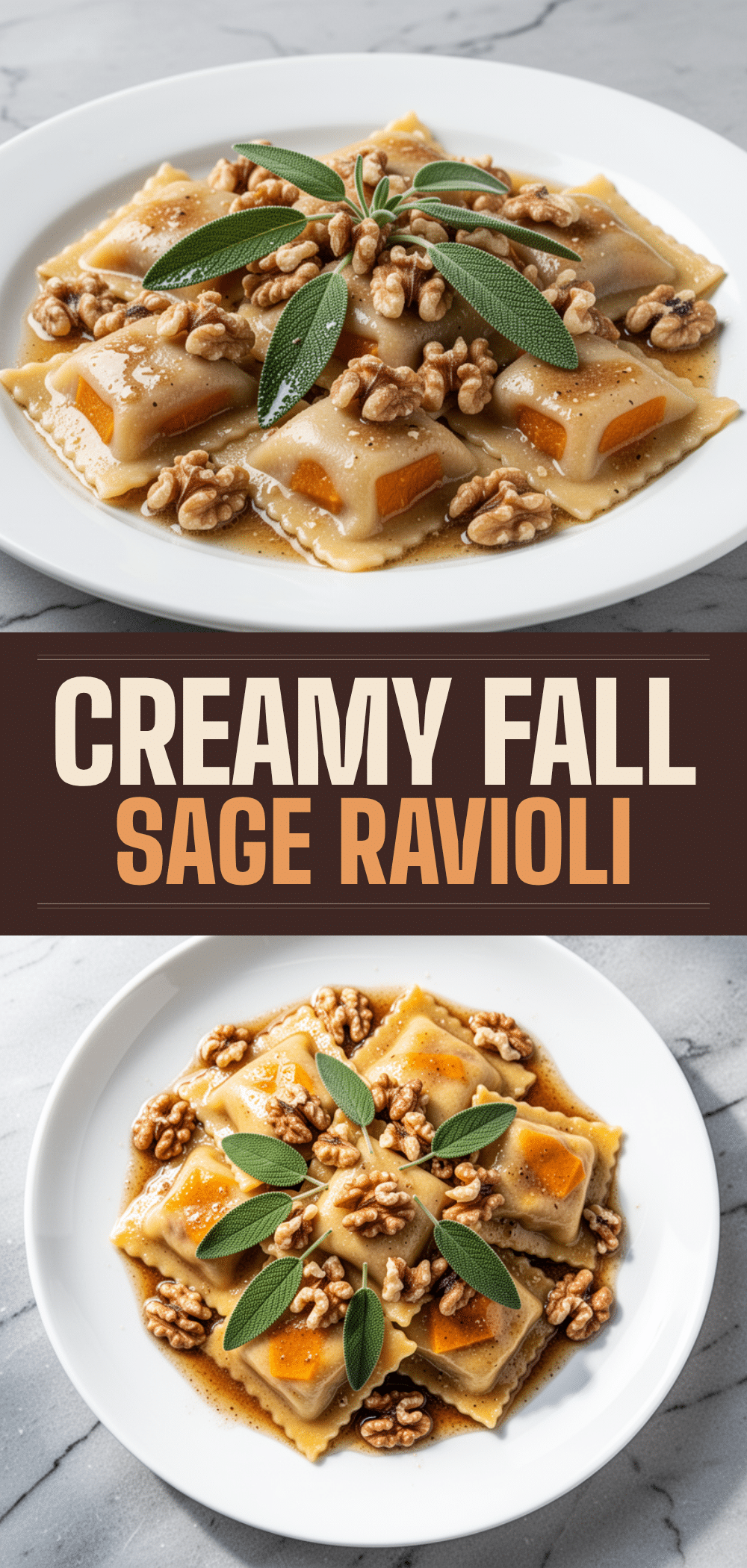
Butternut Squash Ravioli: 10 Min Easy Homemade Recipe
- Total Time: 60 minutes
- Yield: 4 servings 1x
Description
A cozy, homemade butternut squash ravioli with sage brown butter sauce. This vegetarian main course is surprisingly fast to make, using simple pantry ingredients and no fancy equipment.
Ingredients
- 1 medium butternut squash (about 2–3 lbs)
- 2 tablespoons unsalted butter (for filling)
- ¼ teaspoon freshly grated nutmeg
- ¼ cup freshly grated Parmesan cheese (for filling)
- 1 clove garlic, minced
- 1 ½ cups all-purpose flour (190g)
- 2 large eggs, room temperature
- 1 tablespoon olive oil
- ½ teaspoon salt (for dough)
- 4 tablespoons unsalted butter (for sauce)
- 12–15 fresh sage leaves
- ½ teaspoon red pepper flakes (optional)
- Extra Parmesan cheese (for serving)
- Salted water for boiling
Instructions
- Preheat oven to 400°F (200°C). Cut squash in half, scoop out seeds, and roast cut-side down on a baking sheet for 25-30 minutes until tender.
- Scoop out squash flesh and mash with 2 tablespoons butter, nutmeg, Parmesan, garlic, and a pinch of salt. Spread on paper towels to press out excess moisture until thick and paste-like.
- Whisk flour and salt in a bowl. Make a well, add eggs and olive oil, and mix until shaggy. Knead on a floured surface for 5-7 minutes until smooth. Wrap and rest for 30 minutes.
- Divide dough into 4 pieces. Roll one piece thin and cut into 3-inch squares.
- Place a teaspoon of squash filling in the center of each square. Brush edges with water, fold into triangles, press out air, and crimp edges with a fork.
- Melt 4 tablespoons butter in a large skillet over medium heat until brown bits form and it smells nutty. Add sage leaves and red pepper flakes; fry for 30 seconds until crisp.
- Boil ravioli in a large pot of salted water for 3-4 minutes until they float.
- Remove ravioli with a slotted spoon and toss gently in the skillet with the brown butter sauce. Serve immediately with extra Parmesan.
Notes
Ensure the squash filling is completely dry to prevent ravioli from bursting. Let the dough rest for 30 minutes to relax the gluten. Brown butter goes from perfect to burnt quickly, so watch it closely. Raw ravioli can be frozen on a baking sheet before transferring to a bag.
- Prep Time: 30 minutes
- Cook Time: 30 minutes
- Category: Main Course
- Cuisine: Italian
Nutrition
- Serving Size: 4 servings
- Calories: 450
- Sugar: 6
- Sodium: 320
- Fat: 20
- Saturated Fat: 10
- Carbohydrates: 55
- Fiber: 4
- Protein: 12
Keywords: butternut squash ravioli, homemade pasta, sage brown butter, vegetarian dinner, fall recipes, easy pasta, cozy comfort food