It was 6:45 PM on a Tuesday. I was standing in my kitchen, staring into the abyss of my pantry, feeling that specific brand of evening despair that only happens when you’re gluten-free, busy, and your kids are hungry. I had three options: order expensive takeout (which I didn’t have the energy to pack), raid the cereal cupboard (not exactly dinner), or try to bake something. Something that didn’t taste like cardboard. Something that didn’t require a degree in chemistry to get right.
Most gluten-free baking is a gamble. You mix the batter, it looks like cement, you bake it, and you get a dense brick that crumbles into dust if you look at it wrong. I’ve burned through so many bags of almond flour and xanthan gum in my quest for a decent loaf. I’ve made banana breads that tasted like wet socks and quick breads that were drier than the Sahara.
But then I stumbled onto this gluten-free coconut flour lemon poppy seed loaf recipe. And honestly? It changed my life. Well, not *that* dramatically, but it definitely changed my Tuesday nights.
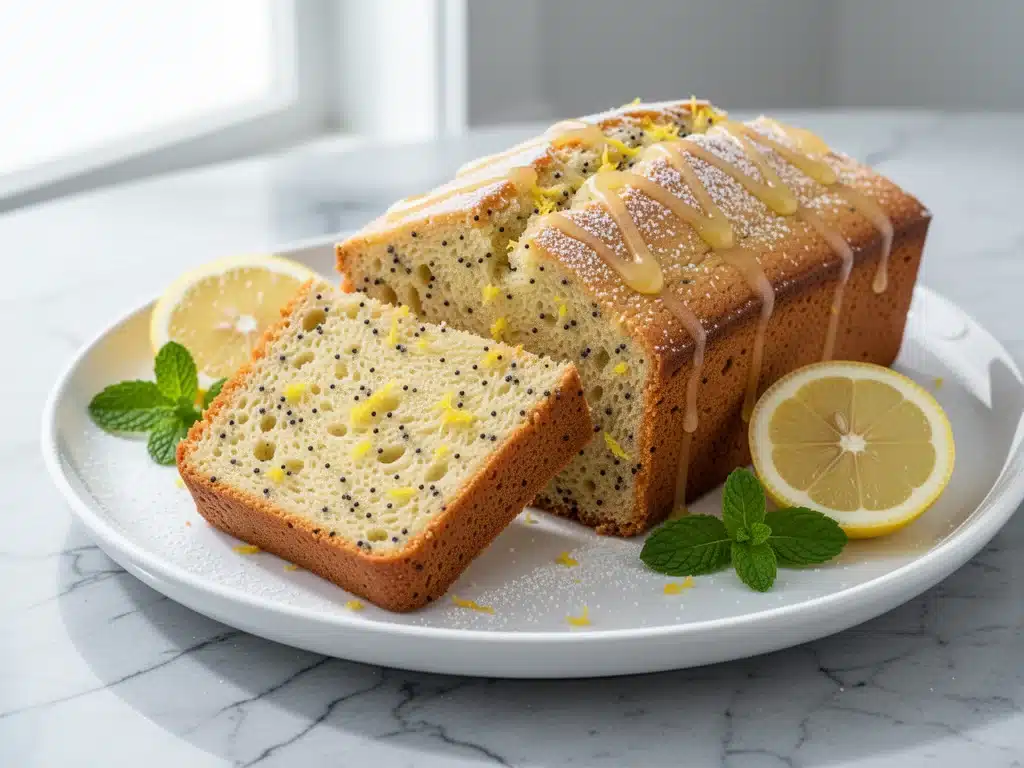
I made this loaf last week because I was desperate for something fresh, bright, and actually moist in a house that usually eats heavy, savory dinners. The smell of lemon zest hitting warm butter while it bakes filled the house with this incredible, sunny aroma that made my kids stop complaining about homework and actually sit at the table. It’s light, it’s tangy, it’s got that perfect crumb, and it’s surprisingly easy to throw together. I’ve tested this gluten-free coconut flour lemon poppy seed loaf about six times in the last month—yes, I’m that obsessed—and every single time, it comes out moist, tender, and absolutely delicious. It’s the kind of bread you can eat for breakfast, snack on with tea, or serve alongside a simple weeknight meal like my Mediterranean lemon herb grilled chicken skewers for a cohesive, fresh-flavored dinner.
If you’re tired of dry, crumbly gluten-free breads and want something that actually feels like “real” baking, you need to make this. It’s perfect for busy weeknights because you can prep the batter in 10 minutes, throw it in the oven, and then actually relax for an hour while it bakes. No standing over the stove. No flipping pancakes. Just pure, citrusy comfort.
Why You’ll Love This Recipe
There are a dozen reasons I keep making this loaf, but let’s be real—here are the big ones that matter when you’re tired after work:
It’s Actually Moist — This is the holy grail of gluten-free baking. Coconut flour is incredibly absorbent, which usually means dry bread. But this recipe balances it perfectly with eggs, yogurt, and a touch of oil. The result is a tender crumb that doesn’t turn to dust in your mouth. I’ve served this to gluten-eating friends, and they’ve genuinely asked for the recipe, thinking it was wheat-based.
Lightning Fast Prep — You don’t need a mixer. You don’t need to proof yeast. You just whisk everything in one bowl. I’m talking 10 minutes of active work. I can get this batter mixed while my kids are finishing their math homework. It’s that easy.
Bright and Refreshing — Most quick breads are heavy on sugar and spices. This one is light. The lemon zest and juice cut through the richness of the coconut flour, and the poppy seeds add this nice little crunch that keeps every bite interesting. It’s not cloyingly sweet. It’s sophisticated but simple.
Perfect for Meal Prep — Because it’s a loaf, it stores beautifully. I bake it on Sunday, slice it up, and it stays fresh in the fridge for four days. It’s also great frozen. I keep slices in the freezer for those “I’m running late and need breakfast” mornings. Just pop a slice in the toaster for two minutes, and it’s like fresh.
Gluten-Free Without the Guilt — Finally, a bread that doesn’t make you feel like you’re eating a block of chalk. It’s lighter than traditional quick breads, easier to digest, and feels like a treat rather than a compromise. It’s my go-to when I want to feel fancy but don’t have the energy to make soft cinnamon sugar baked donuts.
Ingredients You’ll Need
Here’s the best part: you probably have most of this already. The ingredient list is short, simple, and designed to work together. I’m particular about three things here, and I’ll tell you exactly why.
For the Base
Coconut flour (1 cup / 100g) — This is the star. Do not substitute with almond flour or oat flour here. Coconut flour is much finer and absorbs way more liquid. If you use almond flour, you’ll end up with soup. Use 100% coconut flour for the right texture. I like Bob’s Red Mill or King Arthur, but any brand works.
Eggs (4 large) — These are non-negotiable. Coconut flour has no gluten structure, so the eggs provide the lift and the binding. Room temperature eggs mix better and create a more uniform batter. Don’t try to cut these down with flax eggs unless you’re okay with a denser loaf.
Greek yogurt (½ cup / 120g) — Full-fat plain Greek yogurt. This adds moisture and tang, which balances the sweetness. It also helps keep the crumb tender. Sour cream works too if that’s what you have, but yogurt gives a nicer lift.
Unsalted butter (½ cup / 115g, melted) — Melted butter adds richness and helps keep the loaf moist. You can substitute with coconut oil if you’re dairy-free, but it will change the flavor slightly. Butter is best.
Coconut sugar (¾ cup / 150g) — I love coconut sugar here because it has a subtle caramel note that pairs beautifully with lemon. You can use brown sugar or white granulated sugar, but coconut sugar keeps it a bit lower glycemic and adds depth. If you’re using white sugar, add an extra teaspoon of lemon zest to compensate for the lack of molasses flavor.
For the Flavor
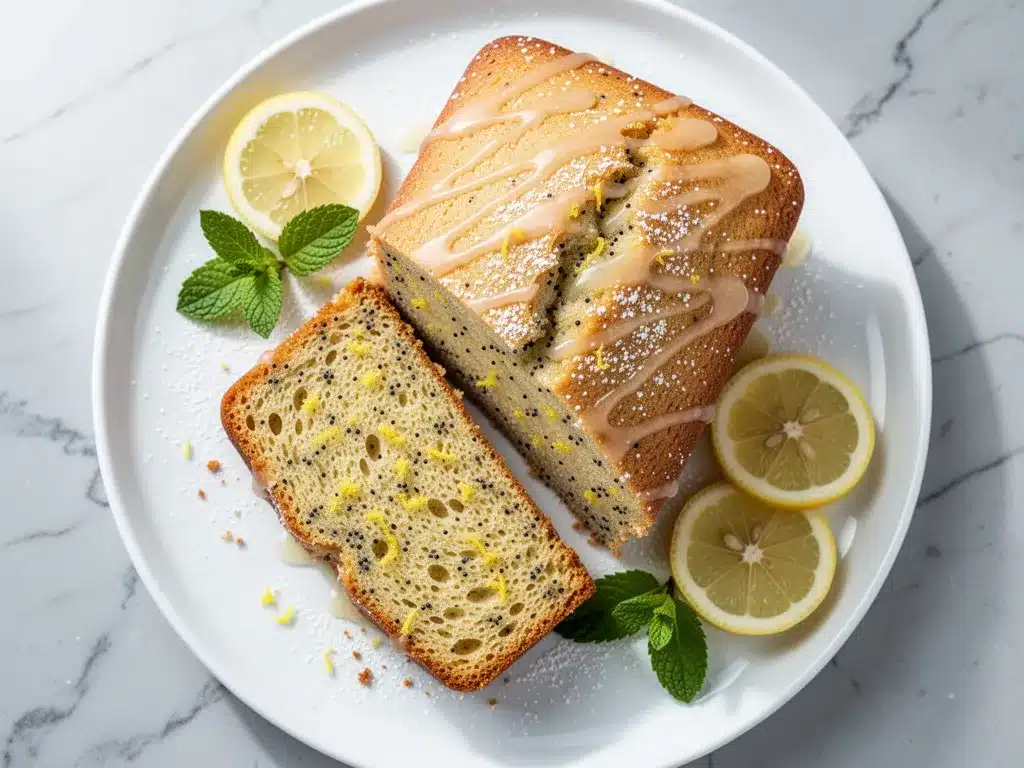
Fresh lemons (2 medium) — You’ll need zest from both and juice from one. Please, please use fresh lemons. Bottled lemon juice tastes metallic and artificial, and it will ruin this loaf. Zest is where the real flavor is. Grate the yellow part only, avoiding the white pith, which is bitter.
Poppy seeds (2 tablespoons) — This is what gives it that classic poppy seed muffin/loaf vibe. They add a nice nutty crunch. You can skip them if you’re allergic, but I don’t recommend it. They’re essential for the texture.
Vanilla extract (1 teaspoon) — Just a touch to round out the citrus. Don’t skip it.
Almond extract (½ teaspoon) — This is my secret weapon. A tiny bit of almond extract enhances the lemon flavor in a way that tastes expensive and bakery-quality. If you don’t have it, you can skip it, but I promise you’ll notice the difference.
For the Structure
Baking powder (1 teaspoon) — Helps the loaf rise. Make sure it’s fresh. Old baking powder makes dense bread.
Xanthan gum (½ teaspoon) — Most coconut flour packages include this, but check yours. It mimics gluten’s elasticity. If your coconut flour already has it, skip this step. If not, add it. It prevents crumbling.
Salt (½ teaspoon) — Enhances all the flavors. Don’t skip it, even though it’s a sweet bread.
Equipment Needed
You don’t need fancy equipment for this. Here’s what I actually use:
9×5 inch loaf pan — Standard size. I line mine with parchment paper for easy removal. If you don’t have parchment, grease it well with butter or non-stick spray.
Mixing bowls — Two medium bowls. One for wet ingredients, one for dry. Or just do it all in one if you’re lazy (I do this often).
Whisk — Essential for breaking up clumps in the coconut flour. Coconut flour clumps easily, so a whisk is better than a spoon.
Zester or microplane — For the lemon zest. A regular grater works, but a microplane gives you finer zest that disperses better.
Measuring cups and spoons — Be precise with the coconut flour. It’s easy to pack too much in. Use the spoon-and-level method.
Oven — Preheated to 350°F (175°C). Use an oven thermometer if you’re unsure. Ovens lie.
How to Make It: Step-by-Step
Alright, let’s make this! I’m walking you through exactly how I do it, including the little tricks I’ve picked up to ensure your gluten-free coconut flour lemon poppy seed loaf turns out perfect.
Step 1: Prep Your Pan and Oven (5 minutes)
Preheat your oven to 350°F (175°C). Grease your 9×5 loaf pan with butter or non-stick spray. I highly recommend lining it with parchment paper, leaving an overhang on the long sides. This acts as a sling, so you can lift the loaf out easily once it’s baked. If you skip this, you’ll be digging for crumbs later.
Step 2: Zest and Juice Your Lemons (2 minutes)
Wash your lemons thoroughly. Before cutting, zest both lemons using a microplane or fine grater. You want about 2 tablespoons of zest. Then, cut the lemons and juice one of them. You’ll need about ¼ cup of fresh lemon juice. Set both aside. The zest goes into the dry mix, the juice goes into the wet.
Step 3: Mix the Dry Ingredients (3 minutes)
In a medium bowl, whisk together the coconut flour, baking powder, xanthan gum (if using), salt, and poppy seeds. Whisk well to break up any clumps in the coconut flour. This is crucial because coconut flour loves to clump. Add the lemon zest here and whisk it in. The oil from the zest will help distribute the flavor evenly.
Step 4: Mix the Wet Ingredients (3 minutes)
In a larger bowl, beat the eggs until they’re light and fluffy. This takes about 1-2 minutes with a whisk or hand mixer. It adds air to the batter, which helps the loaf rise. Then, stir in the melted butter, Greek yogurt, coconut sugar, vanilla extract, almond extract (if using), and fresh lemon juice. Whisk until everything is smooth and combined. The mixture should look like thick batter.
Step 5: Combine Wet and Dry (2 minutes)
Gradually add the dry ingredients to the wet ingredients. Stir gently with a spatula or whisk until just combined. Do not overmix. The batter will be thick and sticky. This is normal. Coconut flour absorbs liquid quickly, so let the batter sit for 5 minutes before pouring it into the pan. This allows the flour to hydrate fully. If you skip this, your loaf might be gummy in the center.
Step 6: Bake (50-55 minutes)
Pour the batter into your prepared loaf pan. Smooth the top with a spatula. Bake in the preheated oven for 50-55 minutes. After 45 minutes, check the loaf. If the top is browning too quickly, tent it loosely with aluminum foil. The loaf is done when a toothpick inserted into the center comes out clean or with just a few moist crumbs (no wet batter). The top should be golden brown and spring back when lightly pressed.
Step 7: Cool Completely (30 minutes)
This is the hardest part. Let the loaf cool in the pan for 10 minutes, then lift it out using the parchment sling and place it on a wire rack. Let it cool completely before slicing. If you cut it while it’s warm, it will crumble. I know it’s tempting, but patience pays off. The structure sets as it cools.
Expert Tips & Tricks
Here’s everything I’ve learned from making this dozens of times. These tips will save you from my mistakes.
Let the Batter Rest — I can’t stress this enough. Coconut flour is like a sponge. It needs time to absorb the liquid. Letting the batter sit for 5-10 minutes before baking ensures an even texture and prevents a gummy center. I’ve rushed this step, and the result was always disappointing.
Don’t Skimp on Eggs — Eggs are the structure in gluten-free baking. If you reduce the eggs, the loaf won’t rise and will be dense. Use large eggs, not medium or small.
Check Your Baking Powder — If your baking powder is old, your loaf will be flat. Test it by dropping a teaspoon into hot water. If it fizzes vigorously, it’s good. If not, toss it and buy a new can.
Room Temperature Ingredients — Make sure your eggs, yogurt, and butter are at room temperature. Cold ingredients can cause the batter to seize up or not mix evenly.
Coconut Flour Varieties — Different brands absorb liquid differently. Bob’s Red Mill is very absorbent. If you use a different brand, you might need a splash more milk or yogurt. Start with the recipe, then adjust if the batter looks too thick.
Storage Hack — Slice the loaf before freezing. Wrap individual slices in plastic wrap and store in a freezer bag. This way, you can just grab one slice for breakfast. No thawing the whole loaf.
Variations & Substitutions
Once you’ve nailed the basic version, here’s how you can mix it up. I’ve tried all of these.
Blueberry Lemon — Fold in 1 cup of fresh or frozen blueberries into the batter after mixing. Dust them in a little coconut flour first to prevent them from sinking. My kids love this version.
Raspberry White Chocolate — Swap the poppy seeds for white chocolate chips and add 1 cup of fresh raspberries. The tartness of the raspberries pairs amazingly with the lemon.
Dairy-Free — Use coconut oil instead of butter and coconut yogurt instead of Greek yogurt. It’s still moist and delicious, just slightly less tangy.
Sugar-Free — Use a keto-friendly sweetener like erythritol or monk fruit. You might need to add a splash more liquid because some sweeteners don’t absorb moisture like sugar.
Gluten-Free Oat Variation — If you can’t have coconut, you can try substituting half the coconut flour with gluten-free oat flour, but you’ll need to adjust the liquid. This is less reliable, so stick to coconut flour for best results.
Serving & Storage
How to Serve: I usually serve this plain, maybe with a little extra butter or a smear of cream cheese. It’s perfect with a cup of tea or coffee. It’s also great alongside a savory dish like my creamy garlic mashed potatoes for a complete meal. The lightness of the loaf balances the heaviness of the potatoes.
Toppings: A dusting of powdered sugar is nice for special occasions. A glaze made with powdered sugar and lemon juice is delicious too. But honestly, it’s best plain.
Refrigerator: Store in an airtight container for up to 4 days. It stays moist in the fridge.
Freezer: Slice and freeze for up to 3 months. Wrap tightly in plastic and foil.
Reheating: Toast slices for 2-3 minutes. It brings back the freshness and makes the crust slightly crisp.
Nutrition Information
I’m not a nutritionist, but here’s the breakdown if you’re tracking. This is per slice (makes 10 slices).
- Calories: 180
- Protein: 6g
- Carbs: 12g
- Fiber: 4g
- Sugar: 8g
- Fat: 12g
- Saturated Fat: 8g
It’s lighter than traditional quick breads because coconut flour is high in fiber and protein. It’s not diet food, but it’s a better choice than cake. When I want to make it lighter, I use less sugar and more yogurt. But usually? I just eat a slice and enjoy it.
Final Thoughts
So that’s my go-to gluten-free coconut flour lemon poppy seed loaf! I’ve probably talked your ear off at this point, but when you make a recipe this often, you have a lot to say about it.
This loaf has saved my weeknights more times than I can count. It’s my answer to “what’s for breakfast” or “what’s for snack” when I’m tired, don’t want to bake something complicated, and still want something that tastes really good. My kids are happy, my husband’s happy, and I’m happy because I’m not stressed about cooking.
Make it yours! Try different add-ins, swap in your favorite citrus, or just enjoy it as is. The best recipes are the ones you adapt to your family’s tastes.
If you make this, drop a comment and let me know what you think! I love hearing how recipes turn out in your kitchen. And if something doesn’t work, tell me that too—I’m here to help troubleshoot.
Happy baking! And I hope your kitchen smells half as good as mine does right now.
Frequently Asked Questions
Can I use almond flour instead of coconut flour?
No, you can’t swap them 1:1. Coconut flour is much more absorbent. If you use almond flour, you’ll need to reduce the liquid significantly, and the texture will be different. This recipe is specifically designed for coconut flour. If you want an almond flour loaf, look for a dedicated almond flour quick bread recipe.
Why is my loaf dry?
This usually happens if you overbake it or if you didn’t let the batter rest. Coconut flour continues to absorb liquid as it cools. Make sure you’re not baking it longer than 55 minutes. Also, let the batter sit for 5-10 minutes before baking to ensure the flour is fully hydrated.
Can I make this ahead for a dinner party?
Absolutely. Bake it the day before, let it cool completely, wrap it tightly in plastic wrap, and store it at room temperature or in the fridge. It actually tastes better the next day as the flavors meld. Just slice and serve.
Why did my loaf crumble when I sliced it?
If you cut it while it’s warm, it will crumble. Let it cool completely on a wire rack. Also, make sure you’re using enough eggs and not reducing the fat content. The eggs and butter provide the structure. If you substituted ingredients, that could also cause crumbling.
Can I use bottled lemon juice?
You can, but fresh tastes so much better. Bottled lemon juice has a metallic aftertaste that can ruin the delicate flavor of this loaf. If you must use bottled, use half the amount and add extra lemon zest to compensate. But really, fresh lemons are worth the effort.
How do I store leftovers?
Store in an airtight container at room temperature for up to 2 days, or in the fridge for up to 4 days. For longer storage, slice and freeze. Wrap slices individually in plastic wrap and place in a freezer bag.
Can I double this recipe?
Yes, but you’ll need two loaf pans. The baking time might be slightly shorter, so check at 45 minutes. Don’t try to double it in one pan—it will overflow and bake unevenly.
Pin This Recipe!


Gluten-Free Coconut Flour Lemon Poppy Seed Loaf
- Total Time: 1 hour 5 minutes
- Yield: 10 servings 1x
Description
A moist, tender, and bright gluten-free quick bread made with coconut flour, fresh lemon, and poppy seeds. It requires no mixer and comes together in just 10 minutes of prep time.
Ingredients
- 1 cup (100g) coconut flour
- 4 large eggs, room temperature
- ½ cup (120g) full-fat plain Greek yogurt
- ½ cup (115g) unsalted butter, melted
- ¾ cup (150g) coconut sugar
- Zest of 2 medium lemons
- Juice of 1 medium lemon (approx. ¼ cup)
- 2 tablespoons poppy seeds
- 1 teaspoon vanilla extract
- ½ teaspoon almond extract
- 1 teaspoon baking powder
- ½ teaspoon xanthan gum (if not included in coconut flour)
- ½ teaspoon salt
Instructions
- Preheat oven to 350°F (175°C). Grease a 9×5 inch loaf pan and line with parchment paper.
- Zest both lemons and juice one lemon. Set zest and juice aside.
- In a medium bowl, whisk together coconut flour, baking powder, xanthan gum, salt, poppy seeds, and lemon zest until clumps are broken up.
- In a larger bowl, beat eggs until light and fluffy. Stir in melted butter, Greek yogurt, coconut sugar, vanilla extract, almond extract, and lemon juice until smooth.
- Gradually add dry ingredients to wet ingredients and stir until just combined. Let batter rest for 5 minutes to allow flour to hydrate.
- Pour batter into prepared pan and smooth top. Bake for 50-55 minutes, tenting with foil if browning too quickly, until a toothpick comes out clean.
- Cool in pan for 10 minutes, then lift out using parchment sling. Cool completely on a wire rack before slicing.
Notes
Coconut flour is highly absorbent; do not substitute with almond flour. Letting the batter rest for 5 minutes is crucial to prevent a gummy center. Ensure eggs and butter are at room temperature for best texture. Do not slice while warm as it will crumble.
- Prep Time: 10 minutes
- Cook Time: 50-55 minutes
- Category: Breakfast
- Cuisine: American
Nutrition
- Serving Size: 1 slice
- Calories: 180
- Sugar: 8
- Fat: 12
- Saturated Fat: 8
- Carbohydrates: 12
- Fiber: 4
- Protein: 6
Keywords: gluten-free, coconut flour, lemon poppy seed, quick bread, dairy-free option, healthy baking, meal prep