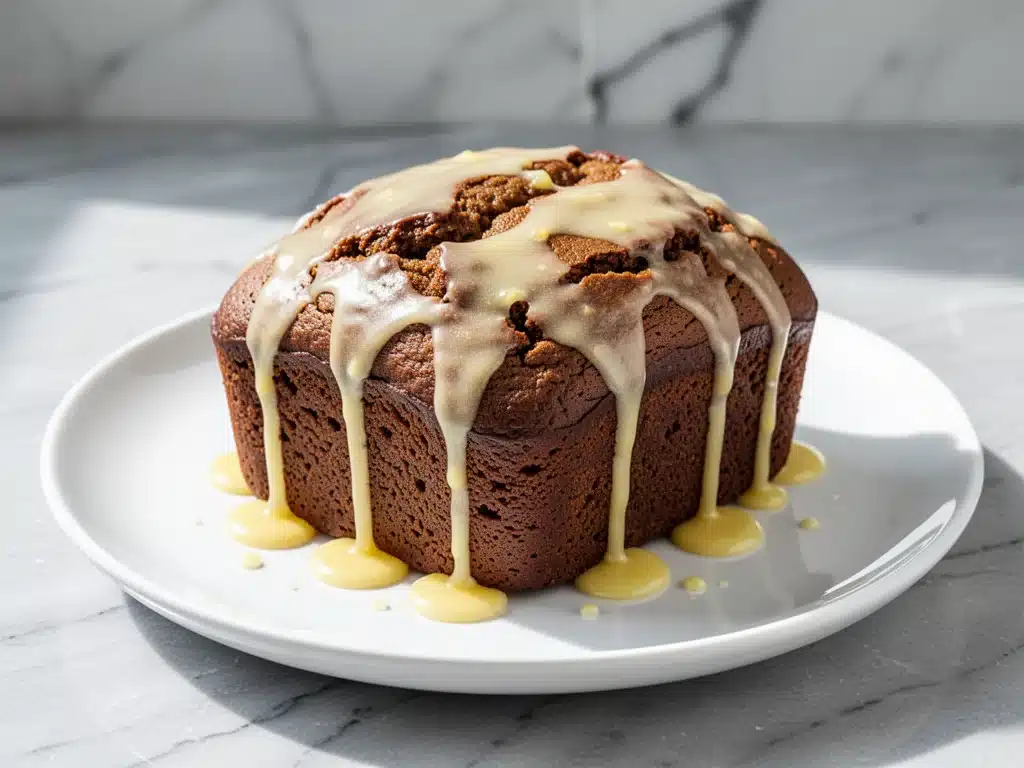
There is a specific kind of magic that happens in October when the leaves start turning and the air gets that crisp, biteable chill. For me, that magic smells like molasses and warm spices. It’s the smell of my grandmother’s kitchen, where she’d pull a steaming loaf from the oven and slice it thick, slathering it with butter while we watched the rain hit the window.
I’ve spent years trying to recreate that exact feeling. I’ve baked dozens of gingerbread loaves, and honestly? Most of them were dry. Some were too spicy, tasting like a Christmas cookie rather than a soft, tender bread. Others lacked that deep, robust molasses flavor that makes gingerbread feel like a hug. But after testing this recipe about twelve times (yes, twelve—I have a lot of spare molasses), I finally cracked the code.
This Fall Molasses Gingerbread Loaf with Lemon Cream Glaze is different. It’s moist enough that you don’t need butter to make it palatable. It has the perfect balance of ginger, cinnamon, and cloves, but the secret weapon is the lemon cream glaze. The bright, citrusy tang cuts through the deep sweetness of the molasses in a way that feels sophisticated but is actually incredibly simple to make. It’s the kind of bake that makes your house smell like autumn, keeps you company while you work, and disappears from the counter within hours of cooling.
If you’re looking for a recipe that feels like home, this is it. It’s better than the store-bought gingerbread you buy in the bakery section, and it’s easier than making a layered cake. Let’s get baking.
Why You’ll Love This Gingerbread Loaf Recipe
Okay, so why this one? Why add another gingerbread recipe to your repertoire when there are hundreds out there? Because this one solves the biggest problems people have with baked gingerbread. It’s not just “another spice cake.”
- Actually Moist — Most gingerbread dries out after a day. Not this one. The combination of molasses, brown sugar, and a touch of oil (instead of just butter) keeps it tender for days. I’ve had slices of this on my counter for three days, and they’re still soft. Seriously.
- The Lemon Glaze is a Game-Changer — Plain gingerbread is good. Gingerbread with lemon cream glaze is addictive. The acidity balances the heavy spices. It’s like the difference between drinking straight espresso and drinking it with a little cream. It rounds out the flavor profile perfectly.
- One-Bowl Simplicity — You don’t need a stand mixer. You don’t need to cream butter and sugar for twenty minutes. You just whisk the wet ingredients, whisk the dry, and combine them. It’s foolproof. I’ve made this while holding a toddler and answering a phone call. It works.
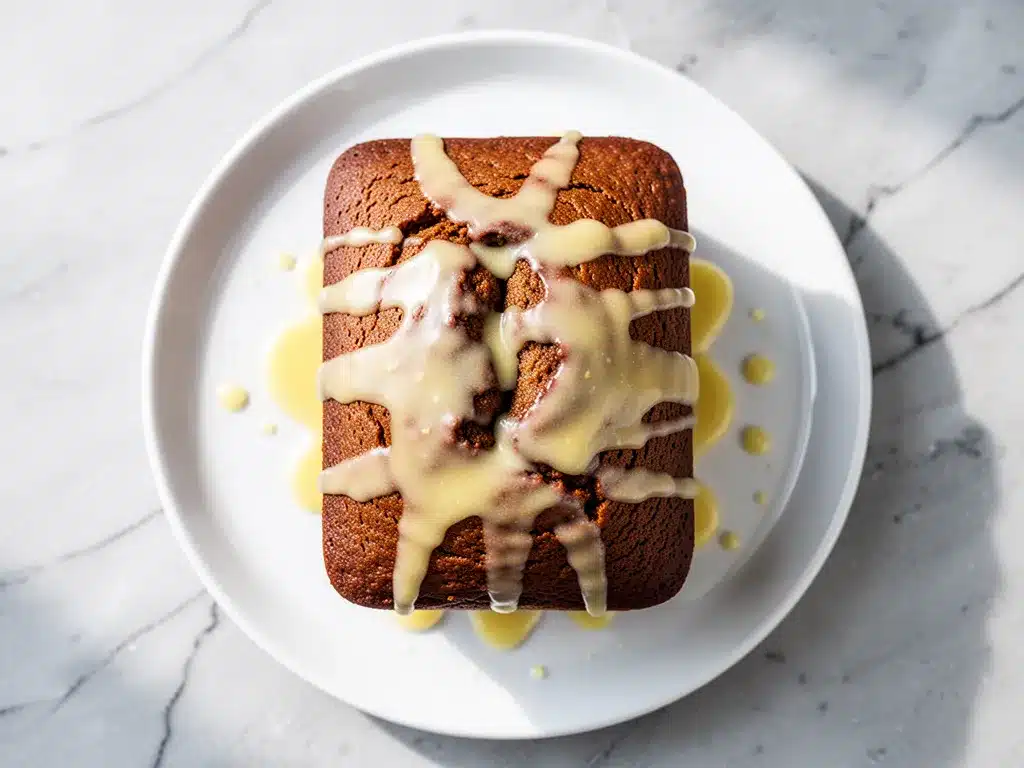
- Perfect for Gift-Giving — This loaf looks beautiful, especially with that white glaze dripping down the sides. It wraps up nicely and travels well. I’ve given this as housewarming gifts, teacher gifts, and neighbor gifts, and it’s always the most appreciated item in the bag.
- Breakfast or Dessert — This isn’t strictly a dessert. It’s perfect with morning coffee. It’s also a great after-dinner treat with a scoop of vanilla ice cream. It’s versatile enough to fit into any part of your day.
Real talk: I make this at least once every October. Sometimes twice if my family begs for it (they do). It’s become my go-to when I want to feel cozy without spending hours in the kitchen.
Ingredients You’ll Need for the Best Gingerbread
Here’s the thing about gingerbread: the quality of your ingredients matters more than you think. You’re not hiding flavors with chocolate or nuts. You’re tasting the spices, the molasses, and the flour. So, let’s talk about what you need.
For the Loaf:
All-Purpose Flour (2 ½ cups / 315g) — This is your base. Don’t use cake flour; you want that slight chew. Spoon it into your measuring cup and level it off. Don’t scoop directly from the bag, or you’ll pack in too much flour and get a dense loaf.
Baking Soda (1 teaspoon) — This reacts with the molasses to give you lift. Make sure it’s fresh! If your baking soda is old, your bread will be flat. I keep mine in the fridge to keep it fresh longer.
Baking Powder (½ teaspoon) — Just a little extra boost for fluffiness.
Salt (½ teaspoon) — Essential to balance the sweetness. Don’t skip it.
Ginger (2 teaspoons, ground) — Ground ginger has a sharper, spicier kick than fresh. This is the classic flavor profile. If you prefer milder, reduce to 1 teaspoon.
Cinnamon (1 ½ teaspoons) — Use a good quality cinnamon. Cinnamon sticks ground fresh are best, but ground works fine.
Cloves (½ teaspoon) — This is the secret ingredient. Just a little bit adds that warm, deep complexity. Don’t overdo it, or it’ll taste like a pie.
Nutmeg (¼ teaspoon, freshly grated) — Freshly grated nutmeg is night and day compared to pre-ground. If you don’t have a microplane, buy pre-ground but know it won’t be as potent.
Molasses (½ cup / 120ml) — Use dark or blackstrap molasses. Light molasses is too sweet and mild. You want that bitter, robust depth. This is the most important ingredient. If you buy the wrong kind, the recipe fails.
Brown Sugar (1 cup / 200g, packed) — Light or dark brown sugar both work. Dark adds more molasses flavor, which is nice since we’re already using molasses.
Butter (½ cup / 115g, melted) — Unsalted butter is best so you control the salt. Let it cool slightly before adding so it doesn’t cook the eggs.
Large Eggs (2) — Room temperature eggs incorporate better. If you forget, just drop them in warm water for 5 minutes.
Vanilla Extract (1 teaspoon) — Real vanilla. No imitation stuff here. It adds warmth.
For the Lemon Cream Glaze:
Heavy Cream (¼ cup / 60ml) — Full fat only. Half-and-half won’t whip up stiff enough.
Powdered Sugar (1 cup / 120g) — Sifted, to avoid lumps.
Fresh Lemon Juice (2 tablespoons) — Squeeze your own lemons. Bottled juice tastes artificial and can be too sharp.
Lemon Zest (1 teaspoon) — This is where the bright flavor lives. Make sure your lemons are clean and organic if possible, or wash them thoroughly.
Salt (A pinch) — Cuts the sweetness.
Quick Note on Substitutions — Can you use oil instead of butter? Yes, use a neutral oil like canola or vegetable oil. The texture will be slightly denser, but still moist. Can you use maple syrup instead of molasses? No. Maple syrup is too sweet and lacks the depth. Stick to molasses.
Equipment Needed
You don’t need fancy gear for this. Here’s what I actually use:
9×5 Inch Loaf Pan — Standard size. Grease it well or line it with parchment paper. Parchment is my preference because it makes removal effortless. I hate scraping stuck bread out of pans.
Large Mixing Bowl — For the dry ingredients.
Medium Mixing Bowl — For the wet ingredients.
Whisk — Essential for breaking up lumps in the flour and sugar. A fork works in a pinch, but a whisk is faster.
Spatula — For folding the batter gently. Overmixing develops gluten and makes the bread tough. Fold until just combined.
Microplane or Grater — For the nutmeg and lemon zest. A fine grater gives you the best texture.
Electric Mixer or Whisk — For the glaze. Hand-whisking the glaze takes a lot of arm power. An electric mixer makes it fluffy in seconds.
How to Make It: Step-by-Step
Alright, let’s make this! I’m walking you through exactly how I do it, including the little tricks I’ve picked up over the years.
Step 1: Prep Your Pan and Oven
Preheat your oven to 350°F (175°C). Grease your 9×5 loaf pan with butter or cooking spray. For extra insurance, line the bottom and sides with parchment paper, leaving an overhang on the sides. This acts as a sling, so you can lift the loaf out easily once it’s baked. It’s a small step that saves you from a messy cleanup.
Step 2: Whisk the Dry Ingredients
In a large bowl, whisk together the flour, baking soda, baking powder, salt, ginger, cinnamon, cloves, and nutmeg. I do this first because it ensures the spices are evenly distributed. If you don’t whisk them well, you’ll end up with pockets of pure cinnamon in your bites. Whisk for about 30 seconds until everything is uniform.
Step 3: Mix the Wet Ingredients
In a medium bowl or large measuring cup, whisk together the melted butter, brown sugar, molasses, eggs, and vanilla. The molasses is thick, so make sure you break it up well. If it’s cold and stiff, you can microwave it for 10-15 seconds to soften it. Whisk until the mixture is smooth and glossy. This shouldn’t take more than a minute.
Step 4: Combine Wet and Dry
Pour the wet mixture into the dry ingredients. Using a spatula, gently fold them together. Stop as soon as you no longer see streaks of flour. The batter will be thick and sticky. Do not overmix. Overmixing is the #1 reason gingerbread turns out tough. It should look shaggy and dense. That’s exactly what you want.
Step 5: Bake
Pour the batter into your prepared loaf pan. Smooth the top with your spatula. Bake for 50-60 minutes. Start checking at 50 minutes. Insert a toothpick into the center. If it comes out clean or with just a few moist crumbs, it’s done. If it’s wet with batter, give it another 5-10 minutes. The top should be cracked and domed, and the house should smell amazing.
Step 6: Cool Completely
This is the hard part. Let the loaf cool in the pan for 10 minutes, then lift it out using the parchment sling and place it on a wire rack to cool completely. Do not glaze a warm loaf. The heat will melt the glaze, and it will run off into a puddle. I know, I’ve done it. It’s messy. Patience pays off.
Step 7: Make the Lemon Cream Glaze
While the loaf cools, make the glaze. In a medium bowl, combine the heavy cream, powdered sugar, lemon juice, lemon zest, and salt. Beat with an electric mixer on medium-high speed for 2-3 minutes until stiff peaks form. It should look like a thick, fluffy frosting. If it’s too thin, add more powdered sugar. If it’s too thick, add a teaspoon of cream.
Step 8: Glaze and Serve
Once the loaf is completely cool, spread the lemon cream glaze over the top. Let it drip down the sides a bit for that rustic, bakery look. Slice thickly and serve. It’s best enjoyed the same day, but it keeps well for a few days.
Expert Tips & Tricks
Here’s everything I’ve learned from making this dozens of times. These tips will save you from my mistakes.
Room Temperature Ingredients Matter — Especially the eggs. Cold eggs can cause the melted butter to seize up when you combine them, creating little curds. Let your eggs sit out for 30 minutes before you start.
Don’t Skimp on the Molasses — I know it’s an acquired taste, but it’s the soul of this bread. If you use light molasses, the flavor will be flat. Dark or blackstrap is non-negotiable for this recipe.
Check Your Oven Temperature — Ovens vary. If your gingerbread is browning too fast on top but is raw in the middle, cover it with foil for the last 15 minutes of baking. If it’s not rising enough, check your baking soda. It might be old.
The Toothpick Test is Key — Don’t rely solely on time. Every oven is different. The toothpick test is the most reliable way to know when it’s done. A moist crumb is good; wet batter is bad.
Glaze Consistency — The glaze should be thick enough to stay on the bread but thin enough to spread easily. Think of the consistency of thick yogurt. If it’s too runny, it won’t set. If it’s too stiff, it’ll crack when you slice.
Storage — Store leftovers in an airtight container at room temperature for up to 3 days. It actually gets moister after a day or two as the molasses continues to hydrate the crumb. Do not refrigerate, as it will dry out the bread.
Variations & Substitutions
Once you’ve nailed the basic version, here’s how you can mix it up. I’ve tried all of these.
Orange Glaze Version — Swap the lemon juice and zest for orange. Orange and ginger are classic partners. It’s sweeter and less tart than lemon.
Maple Walnut — Fold ½ cup of chopped walnuts into the batter before baking. Add a drizzle of maple syrup to the glaze. Very autumnal.
Spiced Latte — Add 1 tablespoon of instant espresso powder to the dry ingredients. It enhances the chocolate and spice notes without making it taste like coffee. Great with morning coffee.
Gluten-Free — Use a 1-to-1 gluten-free flour blend (like Bob’s Red Mill or King Arthur). The texture will be slightly more crumbly, but it still works. Add ½ teaspoon of xanthan gum if your blend doesn’t include it.
Dairy-Free — Use vegan butter instead of regular butter. For the glaze, use coconut cream instead of heavy cream. It will have a slight coconut flavor, which actually pairs well with ginger.
Mini Loaves — You can bake this in two mini-loaf pans. Reduce baking time to 30-35 minutes. Perfect for gifts.
Serving & Storage
How to Serve: I usually serve this straight from the cutting board. It looks rustic and inviting. For a special occasion, add a dollop of whipped cream and a few fresh berries on top. The tartness of raspberries or blackberries pairs beautifully with the ginger.
Side Dishes: This is a standalone treat, but it goes well with a simple green salad if you’re serving it for brunch. It also pairs nicely with a cup of tea or coffee.
Storage Instructions:
Refrigerator: Not recommended. The cold dries out the bread. If you must refrigerate (very humid climate), wrap it tightly in plastic wrap and foil. Bring to room temperature before eating.
Freezer: Yes! This freezes beautifully. Wrap the cooled loaf tightly in plastic wrap, then in foil. Freeze for up to 3 months. Thaw overnight at room temperature. Do not freeze with the glaze on it; glaze separately or add fresh after thawing.
Reheating: If you like warm bread, microwave a slice for 15-20 seconds. It brings back the softness. Or toast it lightly for a crunchier texture.
Nutrition Information
I’m not a nutritionist, but here’s the breakdown if you’re tracking. Keep in mind that glaze adds significant sugar and fat.
Per Serving (based on 10 slices, with glaze):
- Calories: 280
- Protein: 3g
- Carbs: 45g
- Fiber: 1g
- Sugar: 28g
- Fat: 10g
- Saturated Fat: 6g
- Cholesterol: 45mg
- Sodium: 250mg
What’s Good: It’s a single-serving treat, so portion control is key. The molasses contains some minerals like iron and calcium.
What to Know: It’s high in sugar and carbs. If you’re watching sugar, reduce the powdered sugar in the glaze by half and skip the glaze entirely. The bread itself is still delicious.
Final Thoughts
So that’s my go-to Fall Molasses Gingerbread Loaf! I’ve probably talked your ear off at this point, but when you make a recipe this often, you have a lot to say about it.
This has saved my autumn mornings more times than I can count. It’s my answer to “what’s for breakfast” when I want something warm and comforting but not heavy. My family is happy, my guests are impressed, and I’m happy because I’m not stressed about cooking.
Make it yours! Try different add-ins, swap in your favorite spices, or experiment with the glaze. The best recipes are the ones you adapt to your family’s tastes. If you make this, drop a comment and let me know what you think! I love hearing how recipes turn out in your kitchen. And if something doesn’t work, tell me that too—I’m here to help troubleshoot.
Happy baking! And I hope your kitchen smells half as good as mine does right now.
Frequently Asked Questions
Can I use light molasses instead of dark?
You can, but the flavor will be much milder and sweeter. Dark or blackstrap molasses has that deep, robust taste that defines gingerbread. If you only have light, you can add an extra ½ teaspoon of spices to compensate, but it won’t be quite the same. I highly recommend investing in a bottle of dark molasses for the holidays.
Why did my gingerbread turn out dry?
Overbaking is the most common culprit. Gingerbread continues to cook slightly after you take it out of the oven. If the toothpick comes out with just a few moist crumbs, it’s done. Also, measuring flour incorrectly can lead to dryness. Always spoon and level your flour, don’t scoop it directly from the bag.
Can I make this ahead of time?
Yes! The bread itself can be baked 2-3 days in advance and stored in an airtight container. The glaze is best made fresh, but you can make it a day ahead and store it in the fridge. Let it come to room temperature and re-whip it before spreading. This is actually my preferred method for hosting—less stress on the day of.
Why did my glaze run off the bread?
Two reasons: either the bread was warm when you glazed it, or the glaze was too thin. Always let the bread cool completely. If the glaze is too runny, add more powdered sugar. If it’s too thick, add a few drops of cream. It should be the consistency of thick yogurt.
Can I add nuts to this recipe?
Absolutely. ½ cup of chopped pecans or walnuts folded into the batter adds a great crunch. Toast the nuts first for extra flavor. I also like adding them to the top before baking for a pretty crust.
Is this recipe similar to your other baked goods?
It’s a bit like the one bowl banana bread in terms of simplicity—you just mix wet and dry and bake. But the flavor profile is totally different. If you like buttery dinner rolls, you’ll appreciate the soft texture of this loaf, though it’s much sweeter!
Pin This Recipe!
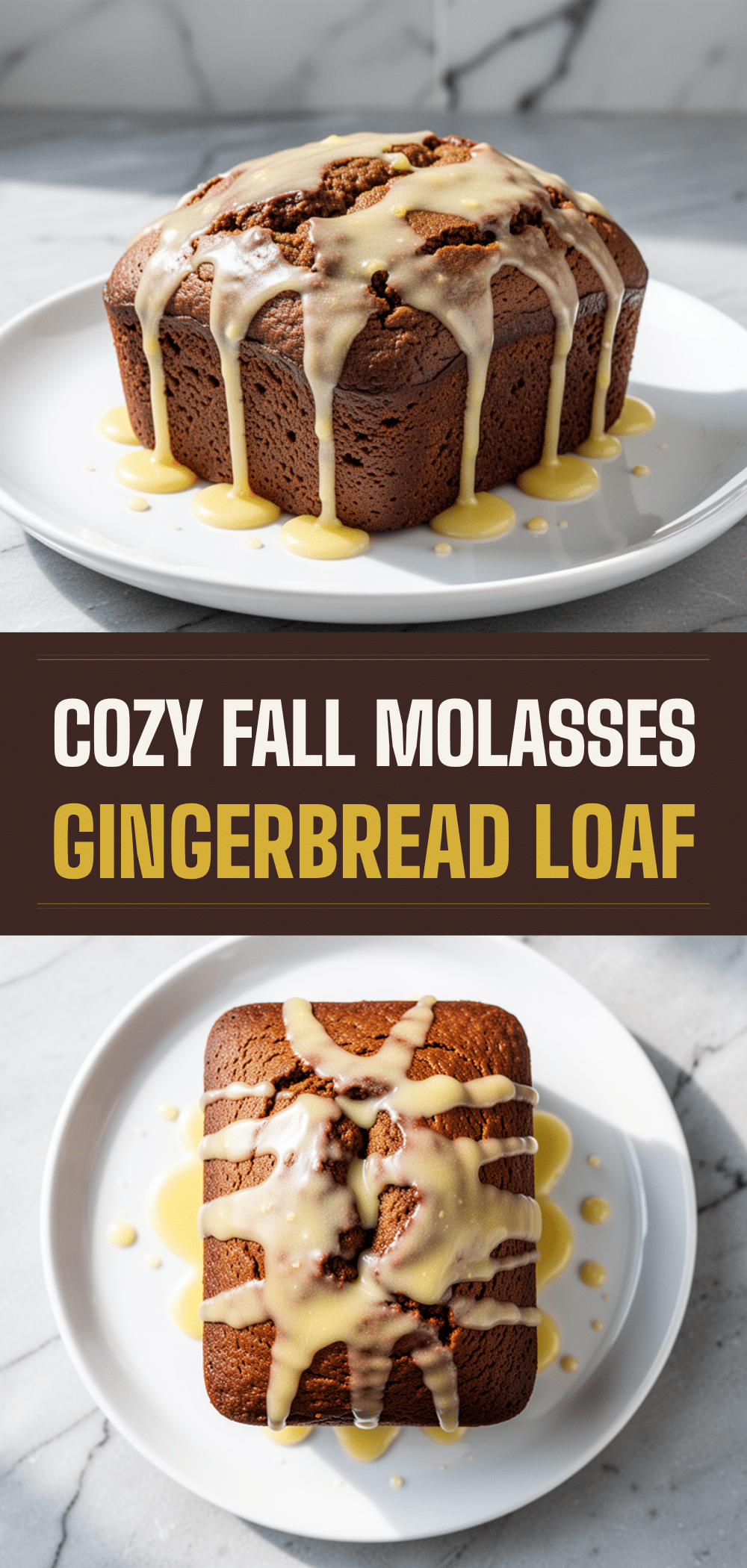
Fall Molasses Gingerbread Loaf with Lemon Cream Glaze
- Total Time: 1 hour 15 minutes
- Yield: 10 servings 1x
Description
A moist, tender gingerbread loaf infused with warm spices and dark molasses, topped with a bright and tangy lemon cream glaze. This easy one-bowl recipe is perfect for autumn baking.
Ingredients
- 2 ½ cups all-purpose flour
- 1 teaspoon baking soda
- ½ teaspoon baking powder
- ½ teaspoon salt
- 2 teaspoons ground ginger
- 1 ½ teaspoons cinnamon
- ½ teaspoon cloves
- ¼ teaspoon freshly grated nutmeg
- ½ cup dark or blackstrap molasses
- 1 cup packed brown sugar
- ½ cup unsalted butter, melted
- 2 large eggs, room temperature
- 1 teaspoon vanilla extract
- ¼ cup heavy cream
- 1 cup powdered sugar, sifted
- 2 tablespoons fresh lemon juice
- 1 teaspoon lemon zest
- A pinch of salt
Instructions
- Preheat oven to 350°F (175°C). Grease a 9×5 inch loaf pan and line with parchment paper.
- In a large bowl, whisk together flour, baking soda, baking powder, salt, ginger, cinnamon, cloves, and nutmeg.
- In a medium bowl, whisk together melted butter, brown sugar, molasses, eggs, and vanilla until smooth.
- Pour wet ingredients into dry ingredients. Gently fold with a spatula until just combined; do not overmix.
- Pour batter into prepared pan and smooth the top.
- Bake for 50-60 minutes, or until a toothpick inserted in the center comes out clean or with moist crumbs.
- Cool in the pan for 10 minutes, then transfer to a wire rack to cool completely.
- While loaf cools, beat heavy cream, powdered sugar, lemon juice, lemon zest, and a pinch of salt until stiff peaks form.
- Spread glaze over the completely cooled loaf and serve.
Notes
Ensure eggs are at room temperature to prevent the melted butter from seizing. Use dark or blackstrap molasses for authentic flavor. Do not glaze the loaf while it is warm, or the glaze will melt. Store leftovers in an airtight container at room temperature for up to 3 days.
- Prep Time: 15 minutes
- Cook Time: 50-60 minutes
- Category: Dessert
- Cuisine: American
Nutrition
- Serving Size: 1 slice
- Calories: 280
- Sugar: 28
- Sodium: 250
- Fat: 10
- Saturated Fat: 6
- Carbohydrates: 45
- Fiber: 1
- Protein: 3
Keywords: gingerbread, molasses, fall baking, lemon glaze, autumn recipe, loaf cake, spice cake