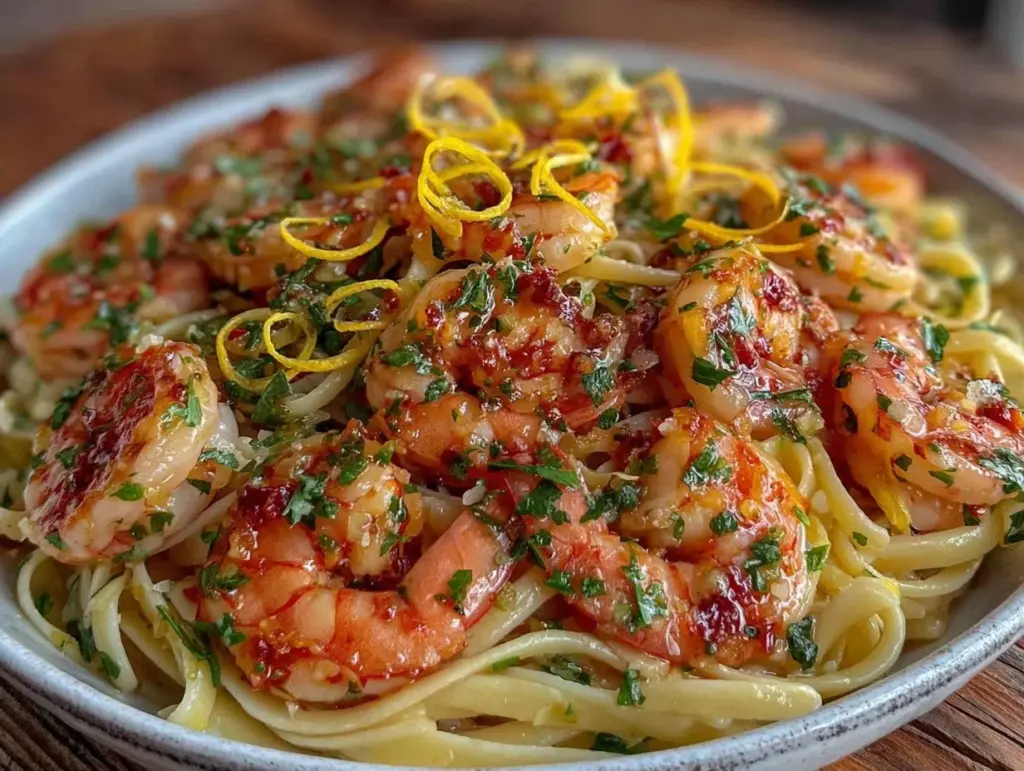
I used to think restaurant shrimp scampi was this elusive culinary magic that required a sous-chef and a degree in French cuisine to replicate at home. You know the kind. The white wine fog, the clinking of expensive glassware, the shrimp so perfectly translucent and garlicky they looked like they’d been polished before serving. I’d order it every time, watching my wallet deflate, convinced I’d never get it right in my own kitchen.
Then, about three years ago, I was feeling lazy. Not the “I need a nap” kind of lazy, but the “I don’t want to think about dinner” kind. I had a bag of frozen shrimp, a stick of butter, and a lemon that was slowly turning into a lemon-shaped rock in my crisper drawer. I threw everything into a skillet with some spaghetti, and honestly? I expected disaster. I expected rubbery shrimp and a sauce that looked like separated oil.
It was delicious. Like, actually, ridiculously good. Better than the restaurant version, probably, because I didn’t have to wait 45 minutes for a table. That was the moment I realized that restaurant-style shrimp scampi pasta with lemon butter isn’t about complicated techniques. It’s about balance. It’s about trusting your instincts. And if you can boil water and squeeze a lemon, you can make this dish. You really can’t mess this up.
This recipe has become my go-to for everything. Date nights when I want to feel fancy but don’t want to stress. Weeknights when I need dinner on the table before the dog finishes his walk. It’s simple, it’s bright, and it tastes like sunshine in a bowl. I’ve made this shrimp scampi at least twenty times since that first accidental masterpiece, tweaking it slightly each time, but the core simplicity remains the same. Here’s how to make it, and why you’ll want to keep it on repeat.
Why You’ll Love This Recipe
There are a lot of pasta recipes out there. Creamy carbonaras, heavy bolognas, complicated ragus that simmer for six hours. But this shrimp scampi pasta with lemon butter hits a different sweet spot. It’s light but satisfying. It feels indulgent but doesn’t leave you feeling sluggish afterward. Here’s why I keep coming back to it:
- Five Ingredients, Maximum Flavor — Seriously. Shrimp, butter, garlic, lemon, and pasta. That’s it. No obscure spices from a trip to a foreign country, no special pantry items you’ll use once and forget. Just good, honest food that tastes way more complicated than it is.
- Beginner-Proof — I’m not exaggerating when I say this is impossible to ruin. Shrimp cooks fast. If you overcook it slightly, it’s just chewy, not inedible. If you undercook the garlic, it’s just a bit sharp. The margin for error is huge, which makes this perfect for anyone who’s nervous about cooking.
- Ready in 15 Minutes — From the moment you pull the shrimp out of the freezer to the moment you take the first bite, it’s about 15 minutes. That’s faster than ordering takeout, waiting for the delivery driver, and finding the good to-go fork.
- Light and Bright — Unlike heavy cream sauces that sit in your stomach like a brick, this lemon butter sauce is emulsified and glossy. It coats the pasta without weighing you down. It’s the kind of dinner that makes you feel good about yourself.
- Impressive but Effortless — When I serve this to friends, they always ask what the secret ingredient is. There is no secret. It’s just high-quality butter and fresh lemon. It makes you look like a seasoned chef without you having to do any actual work.
This is the “if you can only make one thing” pasta recipe. It’s reliable, it’s delicious, and it’s forgiving. Let’s get into the details.
Ingredients You’ll Need
Here’s the best part: you probably have most of this already. I’m not talking about exotic seafood or hard-to-find herbs. This is straightforward, pantry-friendly cooking. I’m particular about the quality of two things here—the shrimp and the butter—but everything else is standard.
For the Pasta
Spaghetti or Linguine (1 pound / 450g) — I prefer spaghetti because the long strands hold the sauce beautifully. Linguine works too. Angel hair cooks too fast and gets mushy. Avoid thin spaghetti if you can, as it breaks easily. I use Barilla, but any good dried pasta works.
Salt (2 tablespoons) — For the pasta water. This is non-negotiable. The water should taste like the ocean. If it doesn’t, the pasta will taste bland, no matter how good your sauce is.
For the Sauce
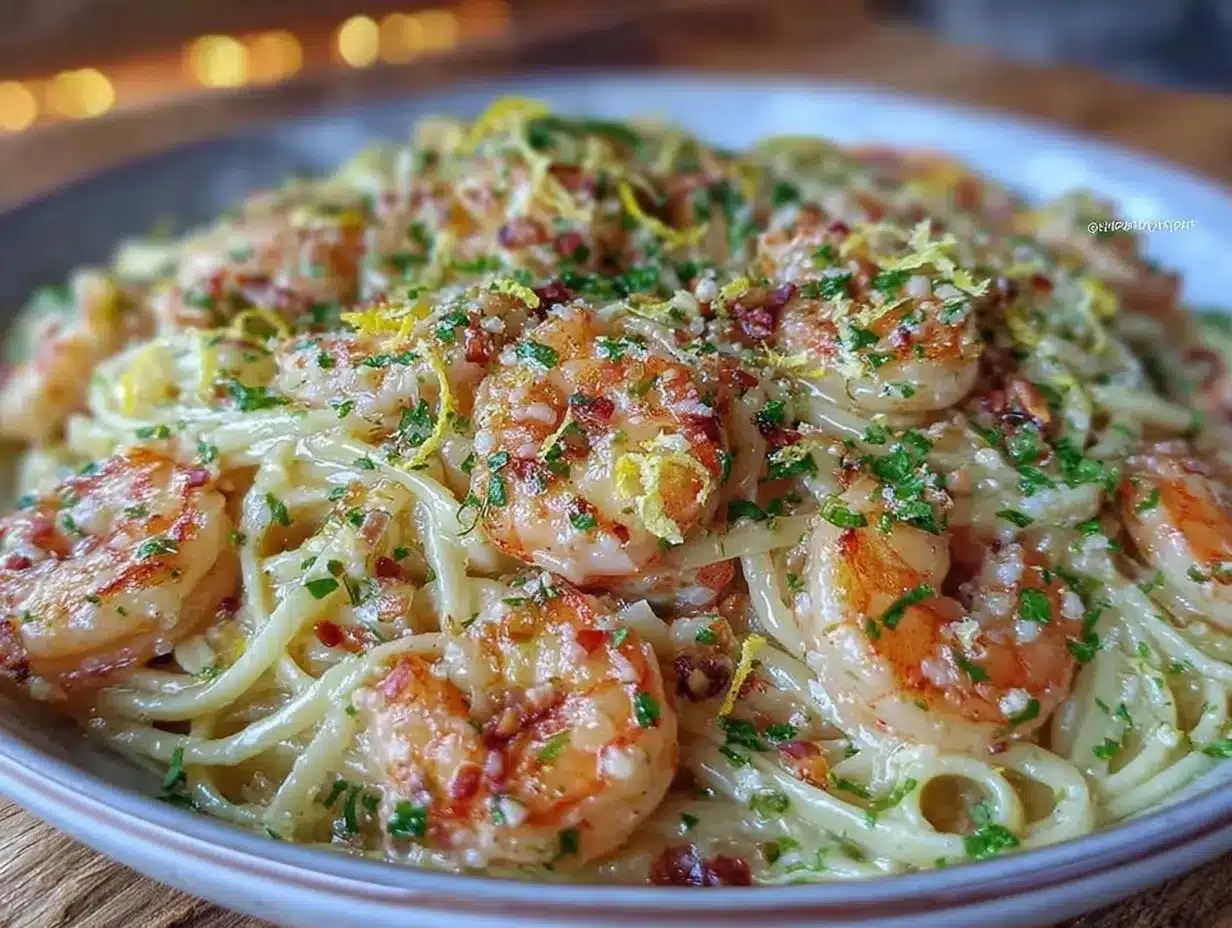
Butter (6 tablespoons / 85g) — Use real butter. No margarine. No olive oil substitute. The richness of the butter is what makes this “restaurant-style.” I use unsalted butter so I can control the saltiness, but salted works if you adjust the added salt later.
Garlic (6-8 cloves, minced) — Yes, that many. Garlic is the soul of scampi. Don’t use jarred garlic. It has a metallic taste that ruins the delicate balance. Fresh garlic, freshly minced, makes all the difference. If you’re worried about strong breath, just say it’s a date night and you’re trying to be charming.
Shrimp (1 pound / 450g, peeled and deveined) — Look for “wild-caught” if you can, but farmed is fine too. The key is the size. You want “large” or “extra-large” shrimp (21-25 count per pound). Small shrimp get lost in the sauce. Buy them frozen if you’re buying from a regular grocery store—they’re often fresher and cheaper. Just thaw them under cold water for 10 minutes before cooking.
Lemon (2 medium lemons) — You need both the juice and the zest. One lemon for the zest (the yellow part of the peel), and two for the juice. Fresh lemon juice is essential. Bottled lemon juice tastes like cleaning product. If you’re worried about waste, you can freeze the extra lemon halves for smoothies later.
White Wine (½ cup / 120ml) — This is the traditional ingredient that adds acidity and depth. I use a dry Sauvignon Blanc or Pinot Grigio. Do not use “cooking wine” from the vinegar aisle. If you don’t drink alcohol, substitute with chicken broth and an extra tablespoon of lemon juice. It won’t be identical, but it’ll still be good.
Parsley (¼ cup, fresh, chopped) — Flat-leaf parsley is best. It has a clean, peppery flavor that cuts through the richness of the butter. Pre-chopped parsley from the plastic tubs often tastes dusty. Fresh is worth the 30 seconds.
Optional Add-ins
Red Pepper Flakes (½ teaspoon) — For a little heat. I like a subtle kick to balance the lemon. If you’re serving kids, skip this or use a pinch.
Parmesan Cheese (Optional) — Traditional scampi doesn’t always have cheese, but I love a little grated Parmesan on top for extra umami. Use freshly grated, not the pre-shredded kind.
Equipment Needed
You don’t need fancy gadgets for this. Here’s what I actually use in my kitchen.
Large Skillet or Sauté Pan — A 12-inch skillet is ideal. You need enough surface area to sear the shrimp without steaming them. If the pan is too small, the shrimp will overcrowd and release water, resulting in boiled shrimp instead of seared ones. I use a stainless steel skillet because it browns beautifully, but a good non-stick works too if you’re gentle.
Large Pot — For boiling the pasta. Any big pot works. I use a 6-quart pot.
Microplane or Fine Grater — For the lemon zest. A regular box grater works, but a microplane gives you finer, more aromatic zest that melts into the sauce better.
Zester or Knife — To remove the lemon zest. If you don’t have a zester, a sharp paring knife works. Just shave off the yellow part, avoiding the white pith, which is bitter.
Tongs — For tossing the pasta. Tongs are better than a spoon because they lift the pasta without breaking it and help incorporate the sauce evenly.
How to Make It: Step-by-Step
Alright, let’s make this! I’m walking you through exactly how I do it. It’s simple, but there are a few tricks to keep the shrimp tender and the sauce glossy.
Step 1: Prep the Shrimp (5 minutes)
If you bought frozen shrimp, thaw them under cold running water for about 10 minutes. Pat them completely dry with paper towels. This is crucial. Wet shrimp won’t sear; they’ll steam. I dry them until the paper towels come away clean. Season them lightly with salt and pepper. Set them aside.
Step 2: Boil the Pasta (10-12 minutes)
Bring a large pot of salted water to a rolling boil. Add the pasta and cook according to package directions until al dente. Al dente means it has a slight bite to it—it should not be mushy. It will finish cooking in the sauce later. IMPORTANT: Before you drain the pasta, scoop out 1 cup of the starchy pasta water and set it aside. This water is liquid gold for the sauce. Drain the pasta and set it aside.
Step 3: Sear the Shrimp (3-4 minutes)
While the pasta cooks, heat a large skillet over medium-high heat. Add 2 tablespoons of the butter. Once it melts and foams, add the shrimp in a single layer. Don’t crowd the pan! If your pan is small, cook in two batches. Sear the shrimp for 1-2 minutes per side until they are pink and opaque. They cook fast. Remove the shrimp from the pan and set them aside on a plate. Do not clean the pan—those brown bits stuck to the bottom are flavor.
Step 4: Make the Sauce (2 minutes)
Reduce the heat to medium. Add the remaining 4 tablespoons of butter to the same skillet. Once melted, add the minced garlic and red pepper flakes (if using). Cook for just 30-60 seconds, stirring constantly. Garlic burns easily. You want it fragrant, not brown. If it starts to smell burnt, take the pan off the heat immediately.
Step 5: Deglaze and Emulsify (2 minutes)
Pour in the white wine and lemon juice. Scrape up any brown bits from the bottom of the pan with a wooden spoon. Let it simmer for 1-2 minutes to reduce slightly. Add the lemon zest. The sauce should look glossy and slightly thickened. If it looks too thin, don’t worry—we’ll fix that with the pasta water.
Step 6: Combine Everything (2 minutes)
Add the drained pasta to the skillet with the sauce. Toss everything together with tongs. Add a splash of the reserved pasta water (start with ¼ cup) to help the sauce cling to the pasta. The starch in the water will help emulsify the butter and lemon juice into a creamy, glossy coating. Add the cooked shrimp back into the pan. Toss gently to warm them through. The shrimp only need 30 seconds in the sauce to reheat.
Step 7: Finish and Serve
Remove from heat. Stir in the fresh chopped parsley. Taste and adjust salt if needed. Serve immediately in warm bowls, topped with extra parsley and lemon wedges on the side. If you’re using Parmesan, sprinkle it on now.
Total time: About 15 minutes. Active time: 10 minutes.
Expert Tips & Tricks
Here’s everything I’ve learned from making this dozens of times. These tips will save you from my early mistakes.
- Pat the Shrimp Dry — I cannot stress this enough. Wet shrimp = steamed shrimp. Dry shrimp = seared, sweet, tender shrimp. Use paper towels and be thorough.
- Don’t Overcook the Garlic — Garlic turns bitter in seconds if it burns. Keep the heat at medium, not high. If you’re worried, add the garlic after the wine, not before. It’s safer that way.
- Save the Pasta Water — This is the secret to restaurant-quality texture. The starch helps the sauce cling to the pasta instead of pooling at the bottom of the bowl. Add it gradually until the sauce looks glossy.
- Remove Shrimp Before Adding Garlic — If you leave the shrimp in while cooking the garlic, they will overcook and become rubbery. Cook shrimp, remove, make sauce, add shrimp back at the end.
- Fresh Lemon Only — Bottled lemon juice has preservatives that taste artificial. Fresh lemon juice has a bright, clean acidity that lifts the whole dish. It’s worth the effort.
Variations & Substitutions
Once you’ve nailed the basic version, here’s how you can mix it up. I’ve tried all of these.
Veggie-Loaded
Add 2 cups of fresh spinach or chopped zucchini to the skillet in the last minute of cooking the sauce. The spinach wilts instantly. This adds color and nutrients without changing the flavor profile.
Spicy Kick
Add 1 teaspoon of red pepper flakes or a dash of cayenne pepper when you add the garlic. If you like heat, this balances the richness of the butter perfectly. I add this when I’m craving something with a bit of punch.
Herb Swap
If you don’t have parsley, use fresh basil or cilantro. Basil gives it an Italian vibe, while cilantro gives it a more Mexican-inspired twist. Both work surprisingly well.
Gluten-Free
Use gluten-free pasta. I’ve tested Barilla and Ronzoni gluten-free spaghetti, and they hold up well in this sauce. Just be careful not to overcook them, as gluten-free pasta can get mushy faster.
Dairy-Free
Replace the butter with olive oil. It won’t be as rich, but it’ll still be delicious. The lemon and garlic will carry the flavor. I use this version when I’m feeling lighter.
Serving & Storage
How to Serve
I usually serve this straight from the skillet at the dinner table. It looks rustic and stays warm. Pair it with a simple green salad with balsamic vinaigrette to cut through the richness. Garlic bread is optional but recommended if you want to go all out. A crisp white wine, like a Sauvignon Blanc, pairs perfectly with the lemon.
Storage
Store leftovers in an airtight container in the refrigerator for up to 2 days. The sauce will thicken in the fridge, which is normal.
Reheating
Reheat gently in a skillet over low heat with a splash of water or broth to loosen the sauce. Do not microwave it, or the shrimp will become rubbery. If you must microwave, do it in short bursts and add a little liquid.
Freezing
I don’t recommend freezing this dish. The pasta becomes mushy, and the butter sauce can separate. It’s best made fresh.
Nutrition Information
I’m not a nutritionist, but here’s the breakdown if you’re tracking. This is per serving (based on 4 servings).
- Calories: 450
- Protein: 25g
- Carbs: 50g
- Fat: 18g
- Fiber: 2g
- Sugar: 2g
This is a balanced meal with good protein from the shrimp and carbs from the pasta. It’s higher in fat due to the butter, but it’s satiating, so you won’t feel hungry an hour later. If you want to lighten it up, use less butter or add more vegetables.
Final Thoughts
So that’s my go-to restaurant-style shrimp scampi pasta with lemon butter! I’ve probably talked your ear off at this point, but when you make a recipe this often, you have a lot to say about it. This dish has saved me on countless nights when I didn’t know what to cook. It’s simple, it’s elegant, and it tastes like I spent hours in the kitchen (even though I didn’t).
Make it yours! Try different herbs, add some veggies, or skip the wine if you prefer. The best recipes are the ones you adapt to your taste. If you make this, drop a comment and let me know what you think! I love hearing how recipes turn out in your kitchen.
Happy cooking! And I hope your kitchen smells half as good as mine does right now.
Frequently Asked Questions
Can I use frozen shrimp?
Yes! In fact, frozen shrimp are often fresher than “fresh” shrimp at the store. Just thaw them under cold water for 10 minutes and pat them very dry before cooking. Don’t cook them from frozen, or they’ll release too much water.
What kind of wine should I use?
Use a dry white wine like Sauvignon Blanc, Pinot Grigio, or Chardonnay. Do not use cooking wine. If you don’t drink alcohol, substitute with chicken broth and an extra tablespoon of lemon juice.
Can I make this ahead of time?
It’s best made fresh. The pasta absorbs the sauce and gets soggy if stored. You can prep the shrimp and mince the garlic ahead of time, but cook it right before serving for the best texture.
Why did my sauce break?
If the sauce looks separated or oily, the heat was too high. Remove the pan from the heat and whisk in a splash of cold pasta water. This should bring it back together. Always keep the heat at medium when adding the butter.
Can I use chicken instead of shrimp?
Absolutely! Sliced chicken breast or tenderloins work great. Just cook them first, remove, and follow the same steps. It’s a delicious variation if you’re not a seafood fan.
How do I know when the shrimp are done?
Shrimp are done when they are opaque and pink with a slight “C” shape. If they curl into a tight “O” shape, they’re overcooked. They cook very fast, so watch them closely.
Pin This Recipe!
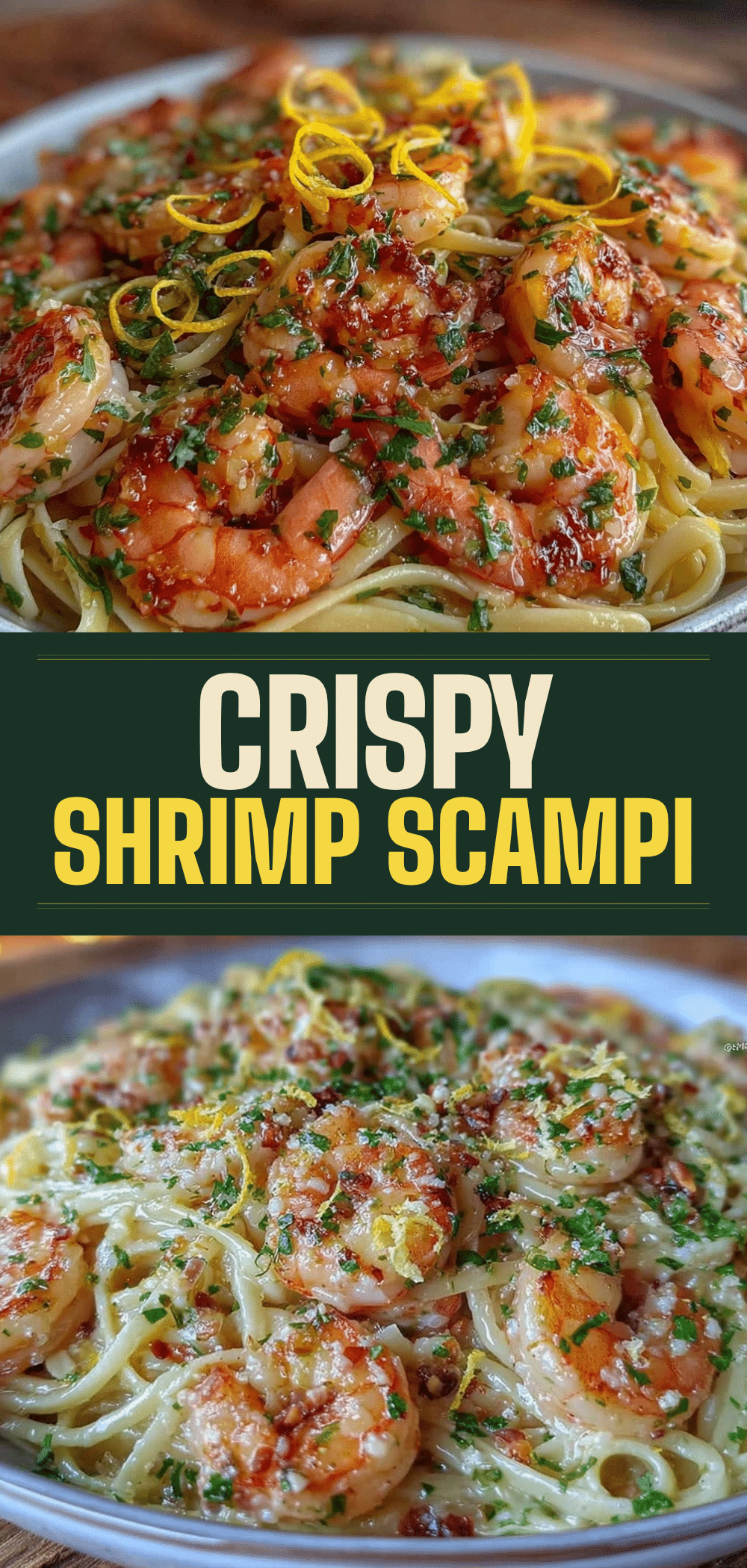
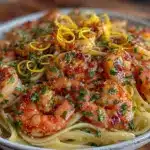
Restaurant-Style Shrimp Scampi Pasta: 5-Ingredient Lemon Butter
- Total Time: 15 minutes
- Yield: 4 servings 1x
Description
A simple, beginner-proof shrimp scampi pasta recipe that comes together in just 15 minutes. This dish features seared shrimp in a glossy lemon butter sauce with garlic and white wine, served over spaghetti.
Ingredients
- 1 pound (450g) spaghetti or linguine
- 2 tablespoons salt (for pasta water)
- 6 tablespoons (85g) unsalted butter
- 6–8 cloves garlic, minced
- 1 pound (450g) large or extra-large shrimp, peeled and deveined
- 2 medium lemons (zest and juice)
- ½ cup (120ml) dry white wine (e.g., Sauvignon Blanc or Pinot Grigio)
- ¼ cup fresh flat-leaf parsley, chopped
- ½ teaspoon red pepper flakes (optional)
- Parmesan cheese, grated (optional)
Instructions
- Thaw frozen shrimp under cold water if necessary, then pat them completely dry with paper towels. Season lightly with salt and pepper.
- Bring a large pot of salted water to a rolling boil. Add pasta and cook until al dente. Before draining, reserve 1 cup of starchy pasta water. Drain pasta and set aside.
- Heat a large skillet over medium-high heat. Add 2 tablespoons of butter. Once melted and foaming, add shrimp in a single layer. Sear for 1-2 minutes per side until pink and opaque. Remove shrimp from pan and set aside.
- Reduce heat to medium. Add remaining 4 tablespoons of butter to the same skillet. Add minced garlic and red pepper flakes (if using). Cook for 30-60 seconds until fragrant, being careful not to burn.
- Pour in white wine and lemon juice. Scrape up brown bits from the bottom of the pan. Simmer for 1-2 minutes to reduce slightly. Add lemon zest.
- Add drained pasta to the skillet. Toss with tongs, adding a splash of reserved pasta water to help emulsify the sauce. Add cooked shrimp back to the pan and toss gently to warm through.
- Remove from heat. Stir in fresh parsley. Taste and adjust salt if needed. Serve immediately with extra parsley and lemon wedges.
Notes
Pat shrimp dry thoroughly to ensure they sear rather than steam. Do not overcook the garlic as it burns easily. Save pasta water to help emulsify the sauce. For a dairy-free version, substitute butter with olive oil. For a gluten-free version, use gluten-free pasta.
- Prep Time: 5 minutes
- Cook Time: 10 minutes
- Category: Main Course
- Cuisine: Italian
Nutrition
- Serving Size: 1 plate per serving
- Calories: 450
- Sugar: 2
- Sodium: 800
- Fat: 18
- Saturated Fat: 10
- Carbohydrates: 50
- Fiber: 2
- Protein: 25
Keywords: shrimp scampi, pasta recipe, lemon butter, quick dinner, easy seafood, restaurant style, 15 minute meals, garlic shrimp