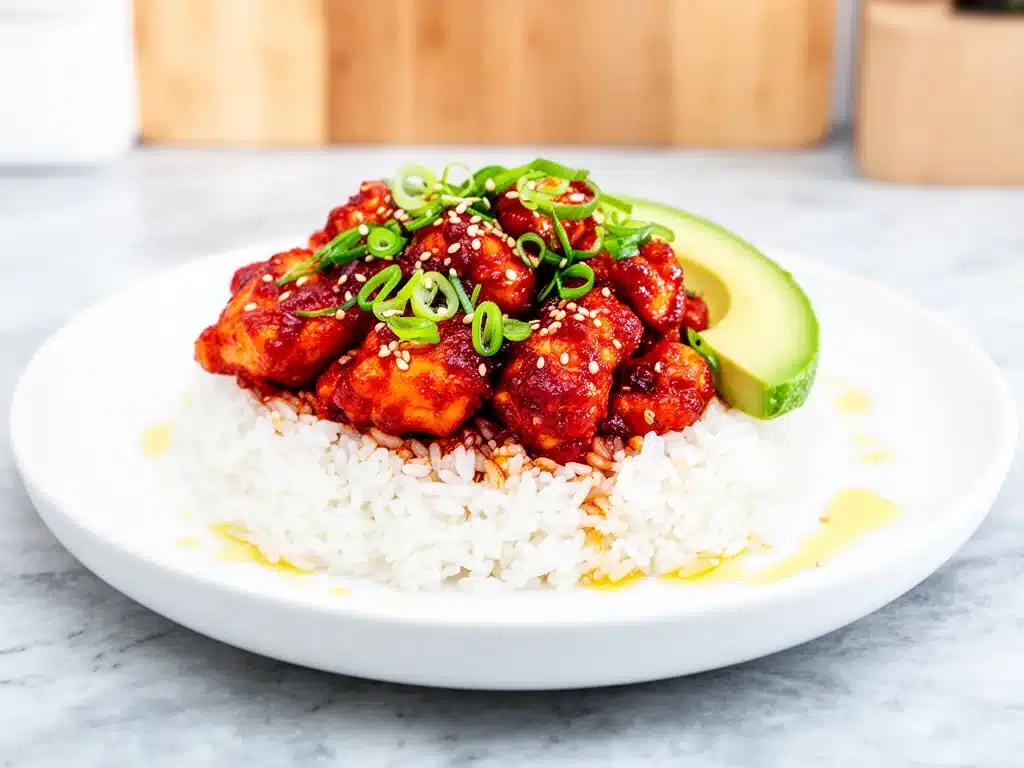
It was 6:45 PM on a Tuesday, and the house was already in chaos. My toddler was having a meltdown over a missing sock, my partner was asking what was for dinner for the third time that hour, and I was staring into the abyss of my refrigerator, hoping a miracle would appear. Usually, this is the moment I cave and order spicy chicken from that place down the street. You know the one—the one where the delivery takes 45 minutes and costs more than a small grocery trip.
But this time, I had a jar of gochujang sitting on my counter from a Korean grocery haul three weeks ago. It was gathering dust, looking all smug and red. I remembered reading about Spicy Korean Gochujang Chicken Bowls in a magazine once, but I never had the energy to look up the recipe. So, I did what any exhausted parent does: I improvised.
I tossed some chicken thighs into a pan, dumped in that gochujang, added a splash of soy sauce, a little honey, and some garlic I had half-minced (yes, jarred, don’t judge me). While it simmered, I threw some rice in the cooker and chopped up a cucumber and some green onions. Ten minutes later, the smell of sweet, savory, and spicy garlic filled the house. My toddler actually stopped crying to sniff the air. My partner took one bite, closed his eyes, and said, “Okay, we are never ordering takeout again.”
I’ve made this Spicy Korean Gochujang Chicken Bowls recipe at least a dozen times since that chaotic Tuesday. It’s become my secret weapon for busy weeknights. It’s fast, it’s flavorful, and it actually makes kids (and adults) eat vegetables because they’re too busy fighting over the chicken. If you’re tired of the same old chicken breast routine, trust me—this is the game-changer you’ve been waiting for.
Why You’ll Love This Gochujang Chicken Recipe
Let’s be real. Weeknight dinners are hard. You want something that tastes gourmet but doesn’t require a culinary degree or three hours of prep. This recipe hits that sweet spot perfectly. Here’s why it’s earned a permanent spot in my rotation:
- The Sauce is Addictive — Gochujang is fermented chili paste, which means it’s got depth, heat, and a weirdly sweet umami flavor that you can’t fake. It’s not just “spicy”; it’s complex. I’ve tried making this with regular chili flakes, but it just doesn’t compare. The fermentation adds a richness that makes your taste buds dance.
- One-Pan Wonder — Okay, technically you’re using the rice cooker and a skillet, but it’s basically one station. Cleanup is a breeze, which means you spend less time scrubbing and more time relaxing. I love that.
- Kid-Approved Heat — I was worried about the spice level for my kids, but the honey and sesame oil balance it out perfectly. It’s warm, not burning. I serve it mild for them and add extra sriracha for myself. No arguments at the dinner table.
- Meal Prep Friendly — This stuff reheats beautifully. I make a double batch on Sunday, and it’s my go-to lunch for Wednesday. The flavors actually meld and get better after sitting in the fridge overnight. It’s like the recipe improves with age.
- Pantry Staples — You probably have most of this already. Gochujang is the only specialty item, but once you buy it, you’ll use it for kimchi jjigae, bibimbap, and slow cooker apple cider pulled pork (trust me, it’s a game-changer for sweet and spicy glazes). You won’t need to make a special trip to the store.
It’s comforting, it’s exciting, and it’s reliable. That’s the holy trinity of home cooking.
Ingredients You’ll Need
Before we fire up the stove, let’s talk ingredients. This recipe is simple, but quality matters—especially with the sauce. Here’s what you need to grab:
For the Chicken and Sauce
Chicken thighs (1.5 lbs / 700g) — Boneless, skinless. I prefer thighs over breasts because they stay juicy even if you overcook them slightly (which happens when you’re distracted by a toddler). If you must use breast, cut it into smaller pieces so it cooks faster.
Gochujang (3 tablespoons) — This is the star. It’s a Korean fermented chili paste. Look for it in the Asian aisle of your grocery store or online. I use Sempio or Ottogi brands—they’re reliable and consistent. Don’t substitute with gochugaru (flakes) unless you adjust the liquid, or it’ll be too dry.
Soy sauce (2 tablespoons) — Use low-sodium if you can, so you control the saltiness. Regular works, just taste before adding extra salt.
Honey (2 tablespoons) — This balances the heat and adds that sticky, glaze-like texture. Maple syrup works too if you’re avoiding refined sugar, but honey gives a better sheen.
Sesame oil (1 tablespoon) — Toasted sesame oil. Not the raw kind. The toasted kind smells nutty and amazing. It’s non-negotiable for that authentic Korean flavor.
Garlic (4 cloves, minced) — Fresh garlic. Please. Jarred garlic has a metallic aftertaste that clashes with the delicate sweetness of the gochujang. It takes 30 seconds to mince. Do it.
Ginger (1 teaspoon, grated) — Fresh ginger adds a zesty kick. Grated, not minced, so it dissolves into the sauce better. If you don’t have fresh, ½ teaspoon powdered ginger works in a pinch.
For the Bowls
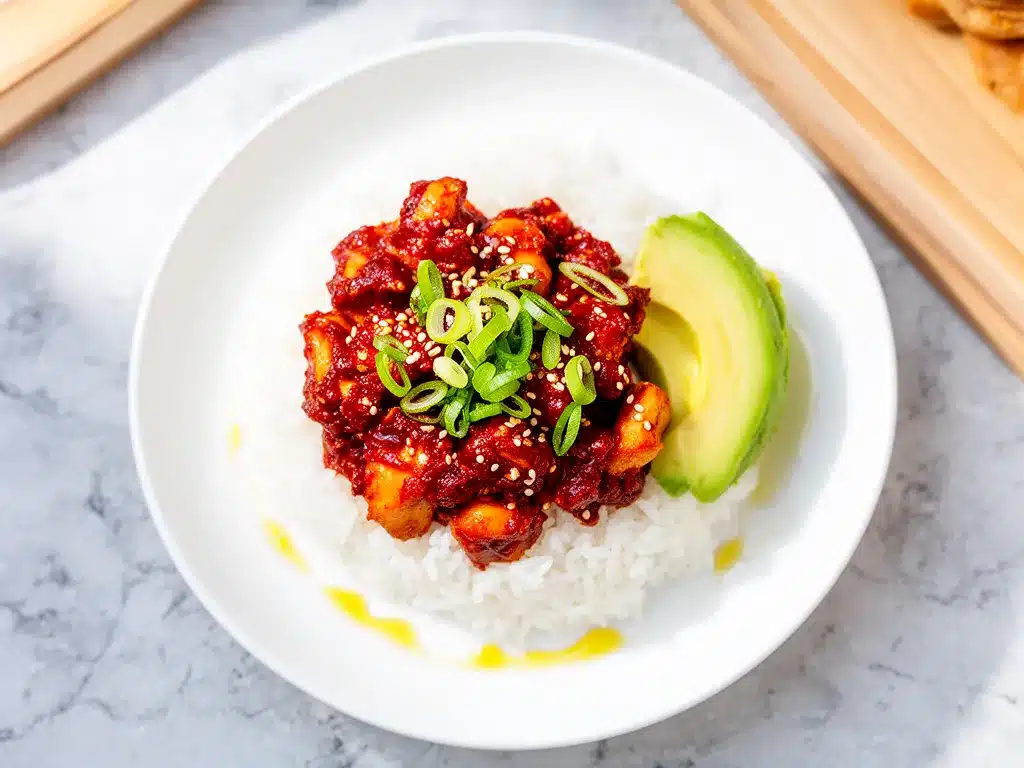
Short-grain white rice (2 cups uncooked) — This is the traditional base. It’s sticky and chewy, perfect for holding the sauce. Jasmine rice works too if you prefer fluffier grains, but short-grain is the real deal.
Sesame seeds (1 tablespoon, toasted) — For garnish. Toast them in a dry pan for 2 minutes until they smell nutty. It makes a huge difference.
Green onions (2 stalks, sliced thinly) — For freshness and color. They cut through the richness of the sauce.
Optional Toppings
Cucumber (1 medium, sliced into half-moons) — I love the cool crunch against the hot chicken. It’s a textural contrast that keeps the dish from feeling heavy.
Carrots (1 cup, shredded or julienned) — Raw carrots add sweetness. You can also quick-pickle them in rice vinegar and sugar for 10 minutes.
Avocado (1, sliced) — Creamy avocado balances the spice perfectly. My kids love this, and I think it’s fancy enough for dinner guests.
Fried egg (1 per bowl) — Runny yolk over the rice is pure comfort. I do this on weekends.
Equipment Needed
You don’t need anything fancy. Here’s what I actually use:
- Large skillet — 12-inch stainless steel or cast iron. I like stainless because it gives me a nice sear on the chicken. Non-stick works if you’re gentle.
- Rice cooker — I’m a rice cooker addict. It sets it and forgets it. If you don’t have one, a pot with a tight-fitting lid works fine. Just follow the stovetop instructions.
- Small bowl — For mixing the sauce. Keeps your counter clean.
- Sharp knife — For slicing chicken and veggies. A dull knife is dangerous and frustrating.
- Measuring spoons — Accuracy matters with the sauce balance.
How to Make It: Step-by-Step
Alright, let’s get cooking. This process is straightforward, but timing is key to getting that perfect glaze.
Step 1: Prep the Sauce (5 minutes)
In a small bowl, whisk together the gochujang, soy sauce, honey, sesame oil, minced garlic, and grated ginger. Stir until it’s smooth and uniform. It should look like a thick, dark red paste. Taste it—if it’s too spicy, add a touch more honey. If it’s too sweet, add a splash more soy sauce. Adjust to your liking.
Step 2: Cook the Rice
Rinse your rice until the water runs clear. This removes excess starch and prevents it from being gummy. Add it to your rice cooker with the appropriate amount of water (usually 1:1 ratio for short-grain). Start the cooker. While the rice steams, you’ll have about 20 minutes to handle the chicken.
Step 3: Sear the Chicken
Pat the chicken thighs dry with paper towels. This is crucial for getting a good sear. If they’re wet, they’ll steam instead of brown. Heat your skillet over medium-high heat with a teaspoon of neutral oil (like canola or vegetable). Once the oil shimmers, add the chicken in a single layer. Don’t crowd the pan—do it in two batches if needed.
Cook for 4-5 minutes per side until golden brown and cooked through (internal temp of 165°F / 74°C). You want some caramelization on the edges. Remove chicken to a plate and tent with foil.
Step 4: Make the Glaze
Reduce heat to medium. Pour the sauce mixture into the same skillet. It will bubble and sizzle. Let it cook for 1-2 minutes, stirring constantly, until it thickens slightly. This concentrates the flavors. If it looks too thick, add a splash of water.
Step 5: Combine
Return the chicken to the pan. Toss it in the sauce, making sure every piece is coated. Let it simmer for another 2 minutes so the chicken absorbs the flavor. The sauce should cling to the meat, not pool at the bottom.
Step 6: Assemble the Bowls
Fluff the rice with a fork. Divide it among bowls. Top with the saucy chicken. Add your veggies—cucumber, carrots, avocado. Sprinkle with toasted sesame seeds and sliced green onions. If you’re feeling fancy, top with a fried egg.
Serve immediately while hot. The contrast of the warm rice and chicken with cool veggies is what makes this dish sing.
Expert Tips & Tricks
Here’s everything I’ve learned from making this dozens of times. These tips will save you from my mistakes.
Toast Your Sesame Seeds
Never skip this. Raw sesame seeds are bland. Toasted ones are nutty and aromatic. Just put them in a dry pan over medium heat and watch them like a hawk—they go from perfect to burnt in 10 seconds.
Don’t Skip the Sear
It’s tempting to just throw the chicken in the sauce raw, but searing first creates a crust that holds the sauce better and adds texture. It’s a small step that makes a big difference.
Adjust the Heat
Gochujang varies in heat by brand. If you’re sensitive to spice, start with 2 tablespoons and add more to taste. You can always add heat, but you can’t take it away. For my kids, I mix the sauce with a little extra honey and serve it on the side.
Use Leftover Rice
Freshly cooked rice is best, but leftover rice works too. Just microwave it with a splash of water to rehydrate it. It won’t be quite as fluffy, but it’ll work.
Batch Cooking
I often double the chicken recipe. I cook half for dinner and freeze the other half with the sauce. It thaws quickly and reheats perfectly. It’s my lifesaver on busy weeks.
Variations & Substitutions
Once you’ve nailed the basic version, here’s how you can mix it up. I’ve tried all of these.
Protein Swaps
Shrimp — Cooks in 2-3 minutes. Add it at the end of the sauce step to avoid overcooking. Sweet and spicy shrimp is amazing.
Tofu — Use firm tofu, pressed and cubed. Pan-fry it until crispy before adding to the sauce. It soaks up the flavor beautifully. Great for a vegetarian version.
Pork — Thinly sliced pork belly or shoulder works too. It’s richer and fattier, which pairs well with the heat.
Vegetable Add-ins
Bell Peppers — Sliced red or yellow peppers add sweetness and color. Sauté them with the chicken.
Bok Choy — Chop it up and toss it in the last minute of cooking. It wilts nicely and adds earthiness.
Broccoli — Steam or roast broccoli florets and serve on the side. The bitterness contrasts with the sweet sauce.
Dietary Modifications
Gluten-Free — Use tamari instead of soy sauce. Check your gochujang label to ensure it’s gluten-free (some brands contain wheat).
Dairy-Free — This recipe is naturally dairy-free. Just ensure your gochujang doesn’t contain hidden dairy (rare, but check).
Low-Carb — Serve over cauliflower rice. It’s not the same texture, but it works if you’re watching carbs. I use riced cauliflower from the frozen section for convenience.
Serving & Storage
How to Serve
I usually serve this straight from the skillet at the dinner table—it looks rustic and stays warm. But here are other ways I’ve enjoyed it:
- Side Dishes — Kimchi is the classic pairing. If you don’t have it, a simple green salad with sesame dressing works. Roasted snap peas are also delicious.
- Toppings Bar — When I have guests, I put out: extra gochujang, sesame seeds, green onions, pickled radishes, and chili oil. Everyone customizes their bowl.
Storage Instructions
Refrigerator: Store in an airtight container for up to 4 days. The sauce will thicken in the fridge—totally normal.
Reheating: Best method: Add a splash of water to a skillet, add your leftover chicken and rice, and heat gently over low heat, stirring frequently. The water rehydrates the rice and thins the sauce. Microwave works too, but add a splash of water and cover with a damp paper towel to steam it.
Freezing: Yes, this freezes well! Freeze the chicken and sauce separately from the rice. Thaw in the fridge overnight and reheat. The texture of the chicken remains tender.
Nutrition Information
I’m not a nutritionist, but here’s the breakdown if you’re tracking. This is per serving (based on 4 servings with rice and veggies).
- Calories: 450
- Protein: 35g
- Carbs: 40g
- Fiber: 3g
- Sugar: 8g
- Fat: 15g
- Sodium: 600mg (varies by soy sauce)
It’s a balanced meal with good protein and complex carbs. The veggies add fiber and vitamins. It’s comfort food, but not a guilt trip.
Final Thoughts
So that’s my Spicy Korean Gochujang Chicken Bowls! I’ve probably talked your ear off at this point, but when you make a recipe this often, you have a lot to say about it. This has saved weeknight dinners more times than I can count. It’s my answer to “what’s for dinner” when I’m tired, don’t want takeout, and still want something that tastes really good. My kids are happy, my husband’s happy, and I’m happy because I’m not stressed about cooking.
Make it yours! Try different add-ins, swap in your favorite vegetables, adjust the garlic (though more is always better in my opinion). The best recipes are the ones you adapt to your family’s tastes.
If you make this, drop a comment and let me know what you think! I love hearing how recipes turn out in your kitchen. And if something doesn’t work, tell me that too—I’m here to help troubleshoot.
Happy cooking! And I hope your kitchen smells half as good as mine does right now.
Frequently Asked Questions
Q: Can I use gochugaru instead of gochujang?
A: Not directly. Gochugaru is flakes, while gochujang is a thick paste with fermentation, sugar, and soybean powder. If you use flakes, you’ll need to add honey, soy sauce, and garlic to mimic the paste. But honestly, gochujang is worth the trip to the store. It’s the soul of this dish.
Q: My sauce is too spicy—what can I do?
A: Add more honey or a splash of rice vinegar to balance the heat. You can also serve it with a dollop of sour cream or yogurt if you’re not strictly dairy-free. The fat helps cool the spice receptors on your tongue.
Q: Can I make this ahead for a dinner party?
A: Sort of. You can prep the chicken and mix the sauce up to 2 days ahead and store in the fridge. Cook the chicken and make the sauce fresh right before serving. The rice should be cooked fresh. It won’t be quite as good as fresh, but it’s close and saves you stress during the party.
Q: Why did my chicken turn out dry?
A: Chicken breast dries out quickly. If you used breast, cut it into smaller pieces and cook for less time. Thighs are more forgiving. Also, don’t overcook it. 165°F is the target. Pull it off the heat a degree early, as it will continue to cook slightly.
Q: Can I use brown rice?
A: Yes, but it takes longer to cook. Adjust your rice cooker settings accordingly. The flavor profile changes slightly—it’s nuttier and earthier—but it still works well with the spicy sauce.
Q: How do I store leftovers without them getting soggy?
A: Store the chicken and sauce separately from the rice. If you mix them beforehand, the rice will absorb all the sauce and become mushy. Keep them in separate containers and combine when reheating.
Q: Is gochujang healthy?
A: It’s fermented, which is good for gut health, and it’s lower in sodium than soy sauce. However, it does contain sugar and salt. Use it in moderation as a flavoring, not a main ingredient. The amount in this recipe is reasonable for occasional meals.
Pin This Recipe!
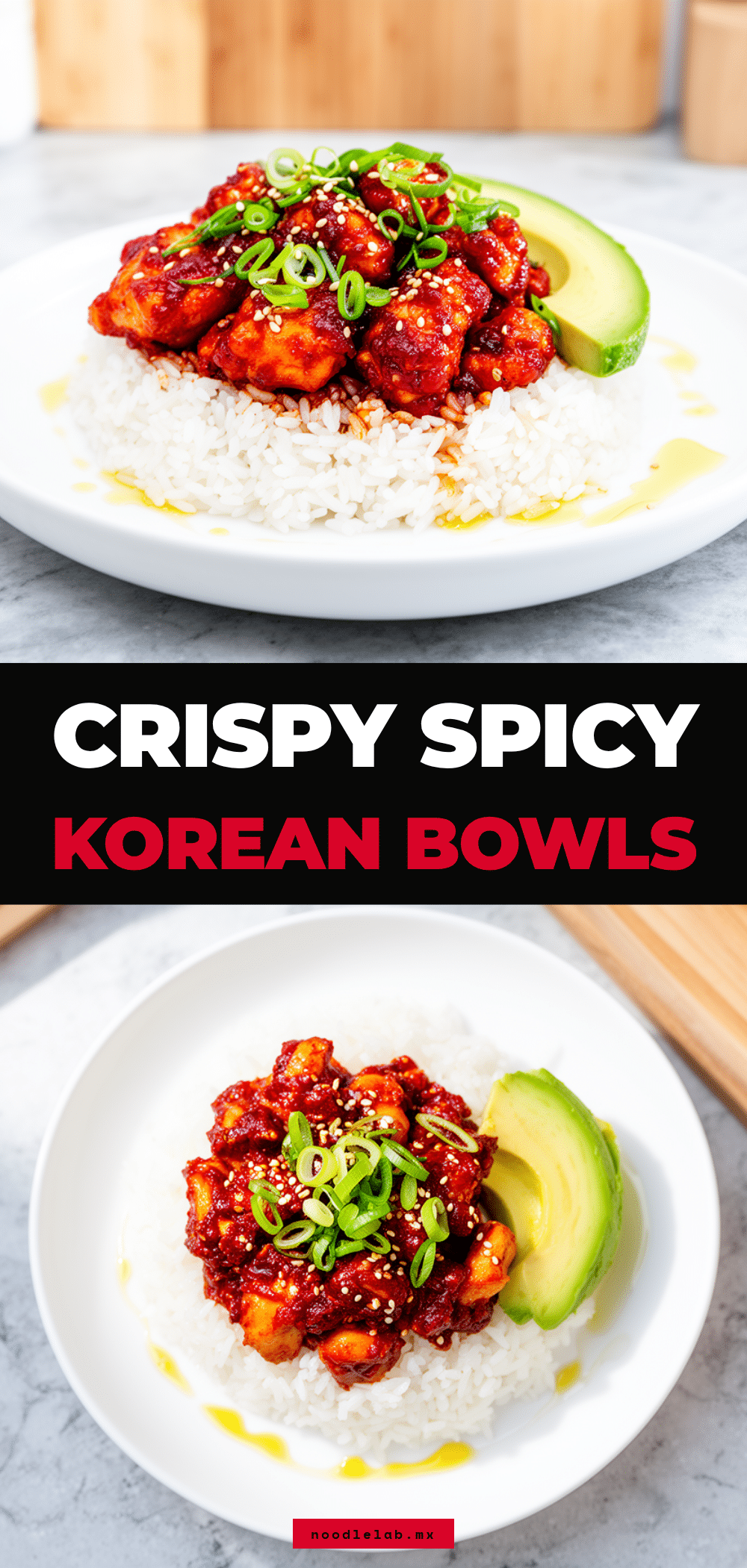
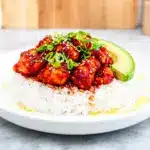
Spicy Korean Gochujang Chicken Bowls
- Total Time: 35 minutes
- Yield: 4 servings 1x
Description
A quick and flavorful weeknight dinner featuring juicy chicken thighs glazed in a sweet, savory, and spicy gochujang sauce, served over rice with fresh vegetables.
Ingredients
- 1.5 lbs boneless, skinless chicken thighs
- 3 tablespoons gochujang (Korean fermented chili paste)
- 2 tablespoons soy sauce (low-sodium recommended)
- 2 tablespoons honey
- 1 tablespoon toasted sesame oil
- 4 cloves garlic, minced
- 1 teaspoon fresh ginger, grated
- 2 cups short-grain white rice
- 1 tablespoon sesame seeds, toasted
- 2 stalks green onions, sliced thinly
- 1 medium cucumber, sliced into half-moons (optional)
- 1 cup carrots, shredded or julienned (optional)
- 1 avocado, sliced (optional)
- 1 fried egg per bowl (optional)
- 1 teaspoon neutral oil (for searing)
Instructions
- In a small bowl, whisk together gochujang, soy sauce, honey, sesame oil, minced garlic, and grated ginger until smooth.
- Rinse rice until water runs clear. Add to rice cooker with appropriate water ratio and start cooking.
- Pat chicken thighs dry with paper towels. Heat neutral oil in a large skillet over medium-high heat.
- Sear chicken in a single layer for 4-5 minutes per side until golden brown and cooked through (165°F). Remove to a plate and tent with foil.
- Reduce skillet heat to medium. Pour sauce mixture into the same skillet and cook for 1-2 minutes, stirring constantly, until slightly thickened.
- Return chicken to the pan and toss to coat in the sauce. Simmer for 2 minutes to allow flavors to meld.
- Fluff rice with a fork and divide among bowls.
- Top rice with saucy chicken, cucumber, carrots, and avocado.
- Sprinkle with toasted sesame seeds and sliced green onions.
- Serve immediately, optionally topped with a fried egg.
Notes
Toast sesame seeds in a dry pan until nutty. Adjust spice level by varying gochujang amount. For gluten-free, use tamari instead of soy sauce. Ensure gochujang is gluten-free if necessary. Chicken thighs stay juicier than breasts; if using breast, cut into smaller pieces.
- Prep Time: 15 minutes
- Cook Time: 20 minutes
- Category: Main Course
- Cuisine: Korean
Nutrition
- Serving Size: 1 bowl with rice, ch
- Calories: 450
- Sugar: 8
- Sodium: 600
- Fat: 15
- Saturated Fat: 3
- Carbohydrates: 40
- Fiber: 3
- Protein: 35
Keywords: Korean chicken, gochujang, chicken bowls, weeknight dinner, spicy chicken, easy recipe, family dinner, one-pan meal