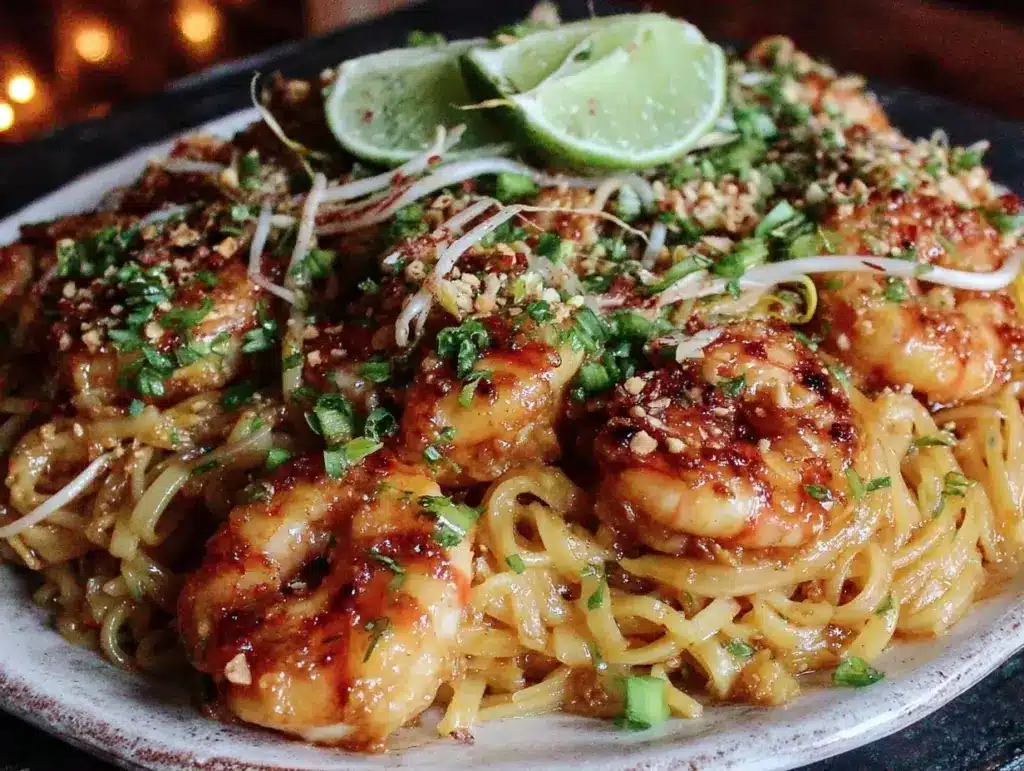
I used to think pad thai was one of those dishes that required a degree in Asian cuisine to master. You know the type: the wok heaving over a roaring flame, the frantic tossing of noodles, the precise balance of sweet, sour, salty, and spicy that seems impossible to replicate at home. I spent years ordering takeout because I convinced myself that making it from scratch was just too much work. Too many ingredients. Too many steps. Too high a chance of ruining dinner.
Then, about a year ago, I decided to stop buying the stuff. I was tired of the soggy noodles and the weird, overly sweet sauce that tasted like ketchup and regret. I wanted the real thing. The kind with that distinct tangy kick from tamarind, the crunch of peanuts, and noodles that are tender but still have a little bite. So I started experimenting. And I’m going to be honest with you: I messed up a lot. Too much sugar. Not enough lime. Noodles that turned into a sticky, mushy disaster.
But after about six tries, I finally cracked it. This restaurant-style pad thai with tamarind sauce is the one I make on repeat. It’s not complicated. It doesn’t require a degree. It doesn’t even require a wok (though one helps). It just requires a few simple ingredients and a willingness to pay attention for 15 minutes. If you can boil water and chop an onion, you can make this. Seriously. It’s that forgiving.
This recipe has completely changed how I think about Thai food at home. It’s fast, it’s flavorful, and it tastes like something you’d pay $18 for at a trendy bistro. Plus, it’s way healthier than takeout because you control the sugar and sodium. I’ve made this for dinner parties, for lazy Sundays, and for when I just need something that tastes like a hug. And every single time, it comes out perfect.
Why You’ll Love This Recipe
There are a lot of pad thai recipes out there. Some are complicated, some are bland, and some just taste like sugar water. This one is different. Here’s why it’s become my absolute go-to:
- It’s Actually Authentic-Tasting — The secret is the tamarind paste. Most people skip it or use ketchup as a substitute (don’t do that). Tamarind gives that deep, complex tang that defines real pad thai. Once you taste the difference, you’ll never go back.
- Few Ingredients, Big Flavor — You don’t need a pantry full of obscure spices. The flavor comes from the balance of five key sauces: fish sauce, soy sauce, tamarind, sugar, and lime. That’s it. Simple. Effective. Delicious.
- Super Forgiving — I’ve made this with chicken, shrimp, tofu, and even just veggie-only versions. It works with all of them. If you burn the garlic, just scrape it out and start over. If the sauce is too thick, add water. If it’s too salty, add a pinch of sugar. It’s hard to mess up.
- Ready in 20 Minutes — Prep takes about 10 minutes, cooking takes 10. It’s faster than waiting for delivery, and it tastes infinitely better. I make this on weeknights when I want something fancy but don’t want to spend an hour in the kitchen.
- Customizable for Everyone — Pick your protein. Pick your veggies. Pick your spice level. This recipe is a canvas, and you’re the artist. My kids like it mild with extra peanuts; I like it spicy with extra lime. We all love it.
This is the kind of recipe that makes you feel like a cooking genius. You’ll serve it, people will ask for the recipe, and you’ll just smile and say, “Oh, it’s so easy.” And you’ll mean it.
Ingredients You’ll Need
Here’s the best part: most of these ingredients are things you probably already have, or can grab easily at any grocery store. I’m not asking you to hunt down rare spices from a specialty shop. Here’s exactly what you need and why it matters.
For the Noodles
Rice Noodles (8 ounces / 225g) — Look for flat rice noodles, about 1/4 inch wide. They’re often labeled as “flat rice noodles” or “pad thai noodles.” Avoid the thin spaghetti-like ones; they turn to mush too fast. I like the brand Thai Kitchen, but any brand works. You’ll need to soak them in warm water first (more on that in a sec).
Warm Water (enough to cover) — For soaking the noodles. Not boiling, just warm from the tap or microwaved for a minute. This softens them without cooking them, so they don’t get mushy in the wok.
For the Tamarind Sauce
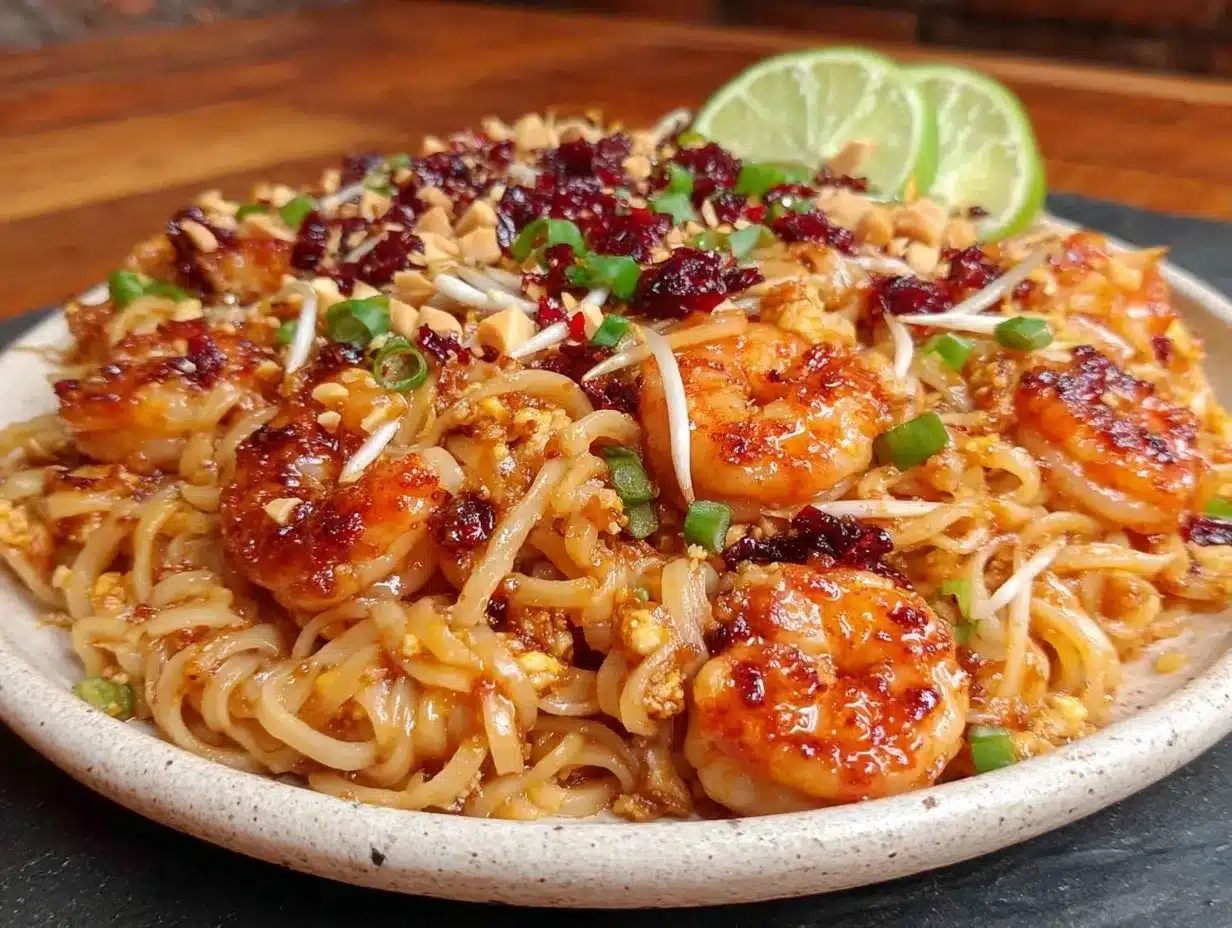
Tamarind Paste (2 tablespoons) — This is the star. It’s a thick, dark paste made from tamarind fruit. It’s tangy, slightly sweet, and essential. Don’t use tamarind concentrate or juice from a bottle unless you have to—paste is best. If you can’t find it, look in the Asian aisle of your grocery store or online. It keeps forever in the fridge.
Fish Sauce (2 tablespoons) — This is the salty, umami backbone. Don’t be scared of it! It doesn’t make the dish taste fishy; it just adds depth. Use a good quality brand like Red Boat or Squid Brand. If you’re vegetarian, swap for soy sauce or tamari, but the flavor will be slightly different.
Light Soy Sauce (1 tablespoon) — Adds extra saltiness and color. Regular soy sauce works too, but light is milder and won’t overpower the other flavors.
White Sugar (2 tablespoons) — Or palm sugar if you have it. Palm sugar has a deeper, caramel-like flavor, but white sugar works fine. It balances the sourness of the tamarind and the saltiness of the fish sauce.
Lime Juice (1-2 tablespoons) — Freshly squeezed. Bottled lime juice is too sharp and metallic. You want that bright, fresh citrus kick. Taste as you go—some limes are more sour than others.
For the Stir-Fry
Eggs (2 large) — Scrambled into the noodles. They add protein and richness. I like to push the noodles to one side of the wok, scramble the eggs on the other, then mix them in.
Garlic (3 cloves, minced) — Fresh garlic is non-negotiable. Jarred garlic has a weird metallic taste that ruins the dish. Just mince it yourself. It takes 30 seconds.
Green Onions (3-4 stalks, sliced) — White parts for cooking, green parts for garnish. They add a mild onion flavor and nice color.
Protein (1 pound / 450g) — I usually use shrimp (peeled and deveined) or chicken breast (sliced thin). Tofu is great too. Just make sure it’s cut into bite-sized pieces so it cooks evenly.
Bean Sprouts (1 cup) — For crunch. Add them at the very end so they stay crisp. If you can’t find fresh bean sprouts, shredded cabbage works as a backup, but bean sprouts are authentic.
Crushed Peanuts (1/4 cup) — For garnish. They add crunch and nuttiness. You can buy them crushed or crush them yourself in a bag with a rolling pin.
Red Pepper Flakes (1/2 teaspoon) — Optional, but recommended. Adjust to your spice tolerance. I like a little heat to balance the sweetness.
Vegetable Oil (2 tablespoons) — For cooking. I use peanut oil if I have it, but any neutral oil works.
Equipment Needed
You don’t need fancy equipment for this. Here’s what I actually use:
Wok or Large Skillet — A 12-inch wok is ideal because of the curved sides, which help with tossing. But a large non-stick skillet or even a deep frying pan works fine. Just make sure it’s big enough to fit all the noodles without crowding.
Large Bowl — For soaking the noodles. Any bowl will do.
Mixing Spoon or Spatula — For stirring and tossing. A silicone spatula is good for scraping the sides of the pan.
Measuring Spoons — For the sauce ingredients. Accuracy helps with the balance.
Knife and Cutting Board — For chopping garlic, green onions, and protein.
Small Bowl — For mixing the sauce ingredients before adding to the pan. This ensures even distribution.
How to Make It: Step-by-Step
Alright, let’s make this! I’m walking you through exactly how I do it, including the little tricks I’ve picked up.
Step 1: Soak the Noodles (10-15 minutes)
Before you start cooking, soak your rice noodles in a bowl of warm water. They should be just covered. Don’t boil them! We just want to soften them so they cook quickly in the wok. Soak for 10-15 minutes, or until they’re pliable but still firm to the touch. If you over-soak them, they’ll turn to mush. Drain well and set aside. I usually do this first so I can prep everything else while they soak.
Step 2: Make the Sauce
In a small bowl, whisk together the tamarind paste, fish sauce, soy sauce, sugar, and half of the lime juice. The sugar might not dissolve completely at first, but it will melt in the hot wok. Taste it! It should be a balance of sour, sweet, and salty. If it’s too sour, add a little more sugar. If it’s too sweet, add more lime or fish sauce. Adjust to your liking. This is the soul of the dish.
Step 3: Prep Your Protein and Veggies
While the noodles soak, slice your protein into thin, bite-sized pieces. Mince your garlic and slice your green onions. Have everything ready to go. Once you start cooking, things move fast, so having your mise en place ready is key. If you’re using shrimp, make sure they’re peeled and deveined. If you’re using chicken, slice it against the grain for tenderness.
Step 4: Cook the Protein
Heat 1 tablespoon of oil in your wok or skillet over medium-high heat. Add your protein and cook until just done. For shrimp, that’s about 2-3 minutes per side. For chicken, 4-5 minutes. Don’t overcook it! Remove the protein from the pan and set it aside on a plate. This prevents it from getting tough while you cook the noodles.
Step 5: Stir-Fry the Aromatics
Add the remaining 1 tablespoon of oil to the same pan. Add the minced garlic and the white parts of the green onions. Stir-fry for 30 seconds to 1 minute until fragrant. Be careful not to burn the garlic—it turns bitter quickly. If it smells good, you’re good.
Step 6: Cook the Noodles
Add the drained noodles to the pan. Pour the sauce over the noodles. Using tongs or two spatulas, toss everything together. The noodles will absorb the sauce quickly. If they seem dry, add a splash of water. Cook for 2-3 minutes, tossing constantly, until the noodles are tender and coated in sauce. They should be glossy and not sticky.
Step 7: Add Protein and Eggs
Push the noodles to one side of the pan. Crack the eggs into the empty space. Scramble them quickly until just set, then mix them into the noodles. Add the cooked protein back into the pan. Toss everything together to combine.
Step 8: Finish and Serve
Turn off the heat. Add the bean sprouts and toss them in—they’ll wilt slightly but stay crunchy. Taste again and adjust with more lime juice if needed. Serve immediately, topped with crushed peanuts, green onion tops, and a wedge of lime on the side. I also like to add a pinch of red pepper flakes for heat.
Total time: About 20 minutes. You’re done!
Expert Tips & Tricks
Here’s everything I’ve learned from making this dozens of times. These tips will save you from my mistakes.
Don’t Overcook the Noodles
The biggest mistake people make is overcooking the rice noodles. Since you’re soaking them first, they only need a few minutes in the pan. If they’re too soft, they’ll break apart when you toss them. Aim for tender but with a slight chew.
High Heat is Your Friend
Pad thai is a stir-fry, so you want high heat to get that slight char and smoky flavor. If your pan isn’t hot enough, the noodles will steam instead of fry, and you’ll end up with soggy noodles. Get that pan smoking before you add anything.
Balancing the Sauce
The sauce should taste slightly too sweet and sour before you add it to the pan. The noodles will absorb some of the sweetness, and the proteins will add saltiness. So start with a bold sauce. Taste it raw—it should be a flavor bomb.
Fresh Lime at the End
Always squeeze fresh lime juice over the finished dish right before eating. The heat dulls the citrus flavor, so adding it at the end keeps that bright, fresh kick. It’s the difference between good and great.
Use Day-Old Noodles (Optional)
If you have leftover rice noodles from a previous meal, they work great. They’ve dried out slightly, which means they’ll hold up better in the wok. Fresh noodles are fine too, just be gentle.
Don’t Skip the Peanuts
The crushed peanuts aren’t just garnish—they add texture and richness. Without them, the dish feels flat. Use salted peanuts for extra flavor, or unsalted if you’re watching sodium.
Variations & Substitutions
Once you’ve nailed the basic version, here’s how you can mix it up. I’ve tried all of these.
Vegetarian Pad Thai
Swap the fish sauce for soy sauce or tamari. Use tofu instead of shrimp or chicken. Add extra veggies like carrots, bell peppers, and mushrooms. It’s just as delicious and filling.
Shrimp Pad Thai
This is the classic. Use large shrimp, peeled and deveined. Cook them quickly so they stay tender. I love the sweetness of shrimp with the tangy sauce.
Chicken Pad Thai
Use boneless, skinless chicken thighs for more flavor, or breast meat for leaner protein. Slice thin so it cooks fast. Marinate it in a little soy sauce and cornstarch for tenderness.
Spicy Pad Thai
Add more red pepper flakes, or stir in a tablespoon of chili garlic sauce (like Sriracha) with the sauce. Or serve with sliced fresh chilies on top.
Veggie-Loaded Pad Thai
Add shredded carrots, bell peppers, or broccoli florets when you cook the aromatics. They’ll cook in the same time as the noodles. It’s an easy way to sneak in more veggies.
Gluten-Free
Rice noodles are naturally gluten-free. Just make sure your fish sauce and soy sauce are gluten-free (most soy sauces contain wheat, so use tamari or coconut aminos instead).
Serving & Storage
How to Serve:
I usually serve pad thai straight from the wok, topped with peanuts, lime wedges, and extra chili flakes. It’s rustic and inviting. I like to pair it with a simple cucumber salad or some easy honey chipotle grilled chicken skewers if I’m making a bigger meal. A side of grilled peach and burrata salad is also a nice contrast if you’re serving it for a summer dinner.
Side Dishes:
– Simple green salad with rice vinegar dressing
– Steamed jasmine rice (if you want extra carbs)
– Spring rolls (if you’re feeling fancy)
– Fresh blackberry lime lemonade is a refreshing drink to pair with it
Storage:
Store leftovers in an airtight container in the fridge for up to 3 days. The noodles will absorb more sauce, so they might get a bit dry. That’s okay!
Reheating:
Reheat in a skillet over medium heat with a splash of water or broth to loosen the noodles. Stir frequently until heated through. Microwave works too, but add a splash of water and cover with a damp paper towel to keep them moist. Don’t reheat more than once—the noodles can get weirdly mushy.
Freezing:
I don’t recommend freezing pad thai. The noodles don’t freeze well—they become grainy and lose their texture. Make it fresh for best results.
Nutrition Information
I’m not a nutritionist, but here’s the breakdown if you’re tracking. Per serving (based on 4 servings):
- Calories: 450
- Protein: 25g
- Carbs: 55g
- Fiber: 3g
- Sugar: 12g
- Fat: 15g
- Sodium: 800mg
What’s Good:
– Good source of protein from shrimp or chicken
– Rice noodles are gluten-free and easy to digest
– You control the sugar and sodium, so it’s healthier than takeout
What to Know:
– Higher in sodium from fish sauce and soy sauce
– Can be lower carb by using zucchini noodles instead of rice noodles (though texture changes)
– Calorie count depends on protein and oil used
My Take:
Look, this is comfort food. It’s not a diet recipe, but it’s not junk food either. It’s a balanced meal with carbs, protein, and veggies. When I want to make it lighter, I use less oil, more veggies, and leaner protein. But usually? I just eat a reasonable portion and enjoy it. It’s worth it.
Final Thoughts
So that’s my go-to restaurant-style pad thai with tamarind sauce! I’ve probably talked your ear off at this point, but when you make a recipe this often, you have a lot to say about it. This has saved weeknight dinners more times than I can count. It’s my answer to “what’s for dinner” when I want something flavorful but don’t want to stress. My family loves it, my friends ask for it, and I’m happy because it’s so easy.
Make it yours! Try different proteins, add more veggies, adjust the spice. The best recipes are the ones you adapt to your tastes. If you make this, drop a comment and let me know how it turns out! I love hearing how recipes work in your kitchen. And if something doesn’t work, tell me—I’m here to help.
Happy cooking! And I hope your kitchen smells as amazing as mine does right now.
Frequently Asked Questions
Q: Can I use dried tamarind block instead of paste?
A: You can, but it’s more work. You’ll need to soak the block in warm water, then strain out the seeds and fibers to get a paste. It takes extra time and effort. If you can find tamarind paste in a tube or block (not the concentrate), just use that. It’s much easier and tastes better.
Q: Why are my noodles sticky and clumpy?
A: This usually happens if you over-soaked them or didn’t drain them well enough. Make sure you soak them just until pliable, not soft. Drain them thoroughly in a colander, and maybe even rinse them with cold water to stop the cooking process. Also, toss them in a little oil after draining to keep them from sticking together.
Q: Can I make the sauce ahead of time?
A: Yes! You can mix the sauce ingredients up to 3 days in advance and store it in the fridge. Just let it come to room temperature before using. This is great for meal prep. The flavors actually meld together and taste better the next day.
Q: What if I don’t have fish sauce?
A: You can use soy sauce or tamari as a substitute, but the flavor will be less complex. Fish sauce adds a unique umami depth that soy sauce can’t quite replicate. If you’re vegetarian, try using mushroom soy sauce or a combination of soy sauce and a little seaweed for depth.
Q: Can I use egg noodles instead of rice noodles?
A: You can, but it won’t be traditional pad thai. Egg noodles are heavier and chewier. Rice noodles are light and absorb the sauce better. If you’re out of rice noodles, spaghetti or linguine can work in a pinch, but the texture will be different.
Q: How do I get that smoky wok hei flavor?
A: “Wok hei” is the breath of the wok, and it comes from high heat and tossing. If you don’t have a wok, use the highest heat your stove allows. Don’t overcrowd the pan. Cook in batches if necessary. The key is getting the pan hot enough that the noodles sear slightly instead of steam.
Q: Can I add vegetables to pad thai?
A: Absolutely! Carrots, bell peppers, mushrooms, and bean sprouts all work well. Just make sure to cook them before adding the noodles so they’re tender. I like to add shredded carrots and sliced bell peppers when I cook the aromatics.
Pin This Recipe!
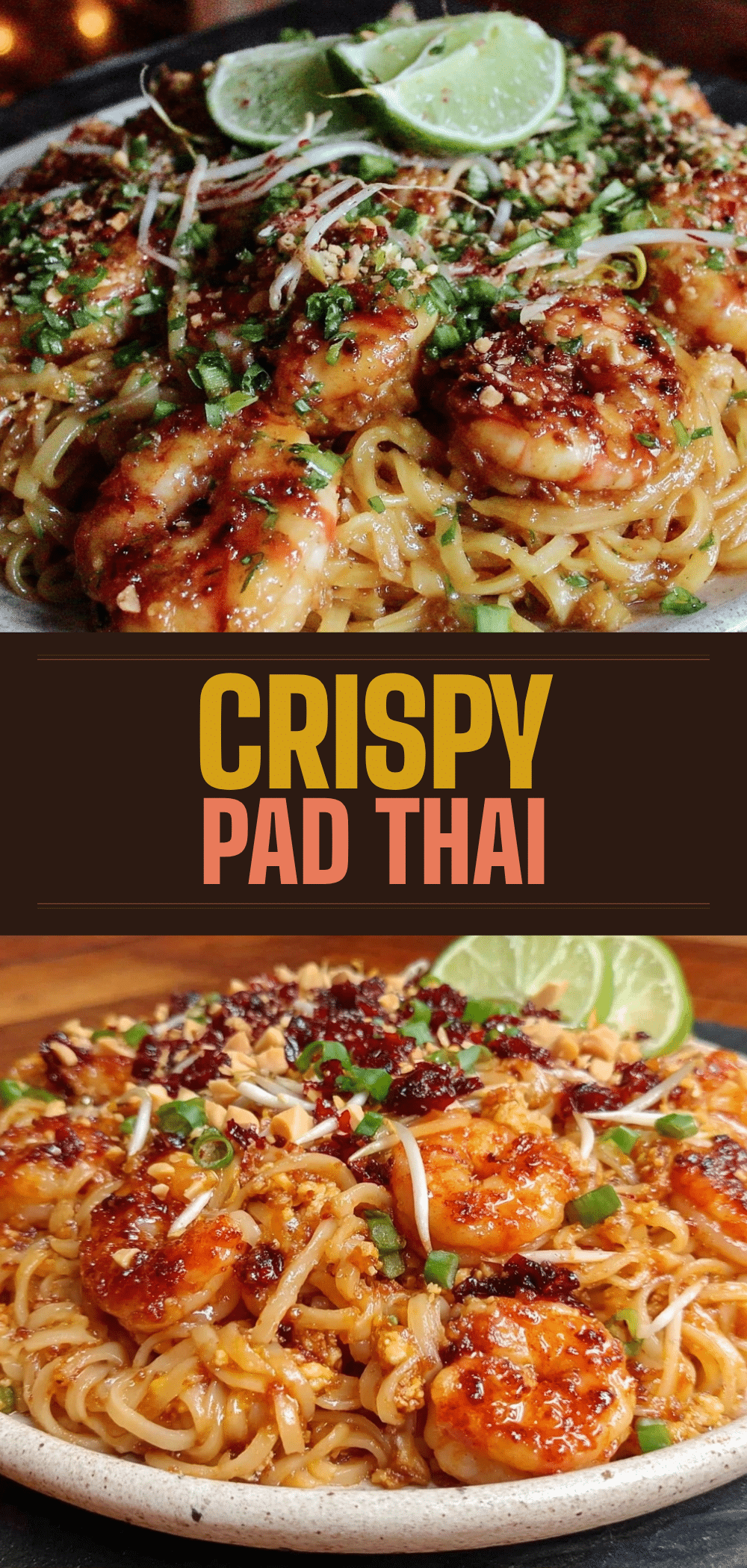
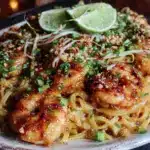
Restaurant-Style Pad Thai with Tamarind Sauce
- Total Time: 20 minutes
- Yield: 4 servings 1x
Description
An authentic-tasting, restaurant-style Pad Thai that is ready in just 20 minutes. This recipe balances sweet, sour, salty, and spicy flavors using tamarind paste, fish sauce, and fresh lime, with customizable proteins and veggies.
Ingredients
- 8 ounces (225g) flat rice noodles
- Warm water (enough to cover noodles for soaking)
- 2 tablespoons tamarind paste
- 2 tablespoons fish sauce
- 1 tablespoon light soy sauce
- 2 tablespoons white sugar (or palm sugar)
- 1–2 tablespoons fresh lime juice
- 2 large eggs
- 3 cloves garlic, minced
- 3–4 stalks green onions, sliced (white parts for cooking, green for garnish)
- 1 pound (450g) protein (shrimp, chicken, or tofu)
- 1 cup bean sprouts
- 1/4 cup crushed peanuts
- 1/2 teaspoon red pepper flakes (optional)
- 2 tablespoons vegetable oil (divided)
Instructions
- Soak rice noodles in a bowl of warm water for 10-15 minutes until pliable but firm. Drain well and set aside.
- In a small bowl, whisk together tamarind paste, fish sauce, soy sauce, sugar, and half of the lime juice. Taste and adjust sweetness/sourness as needed.
- Slice protein into thin, bite-sized pieces. Mince garlic and slice green onions. Have all ingredients prepped (mise en place).
- Heat 1 tablespoon of oil in a wok or large skillet over medium-high heat. Cook protein until just done (2-3 mins for shrimp, 4-5 mins for chicken). Remove protein and set aside.
- Add remaining 1 tablespoon of oil to the pan. Add minced garlic and white parts of green onions. Stir-fry for 30-60 seconds until fragrant, being careful not to burn the garlic.
- Add drained noodles to the pan. Pour the sauce over the noodles. Toss constantly with tongs or spatulas for 2-3 minutes until noodles are tender, glossy, and coated in sauce. Add a splash of water if too dry.
- Push noodles to one side. Crack eggs into the empty space and scramble until just set. Mix eggs into noodles. Add cooked protein back to the pan and toss to combine.
- Turn off heat. Add bean sprouts and toss to wilt slightly. Taste and adjust with remaining lime juice if needed.
- Serve immediately, topped with crushed peanuts, green onion tops, lime wedges, and red pepper flakes.
Notes
Do not boil the rice noodles; soak them in warm water only. High heat is essential for the stir-fry to prevent soggy noodles. The sauce should taste slightly too sweet and sour before adding to the pan. Fresh lime juice added at the end provides the best flavor. Do not freeze leftovers as noodles become grainy.
- Prep Time: 10 minutes
- Cook Time: 10 minutes
- Category: Main Course
- Cuisine: Thai
Nutrition
- Serving Size: 1 plate per serving
- Calories: 450
- Sugar: 12
- Sodium: 800
- Fat: 15
- Saturated Fat: 3
- Carbohydrates: 55
- Fiber: 3
- Protein: 25
Keywords: Pad Thai, Thai food, tamarind sauce, stir fry, rice noodles, quick dinner, Asian cuisine, shrimp pad thai, chicken pad thai, vegetarian pad thai