I have a confession to make. For years, I was a skeptic. I thought restaurant-style Alfredo sauce was just a myth created by Italian restaurants to justify charging $24 for a plate of pasta. I’d order it, get that thick, grayish-white sludge that tasted like butter and regret, and think, “Yeah, no thanks. I’ll just stick to olive oil and garlic.”
Then, I tried making it at home. Just once. And everything changed.
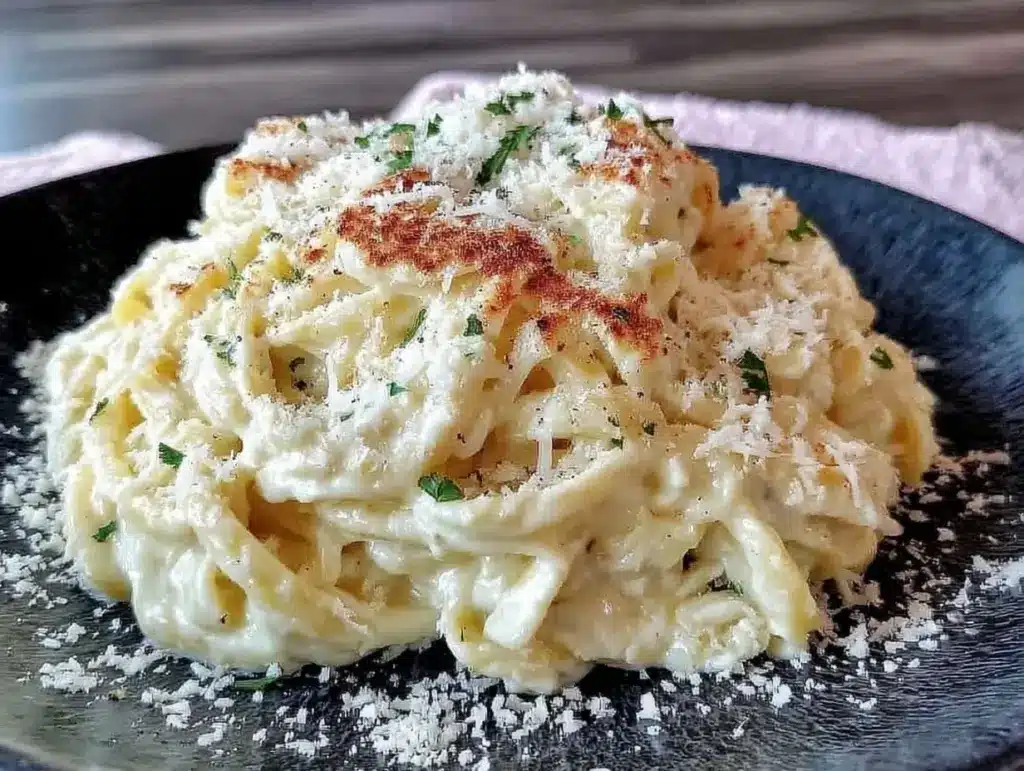
It wasn’t the thick, gluey stuff from the jar. It was velvety. It was glossy. It clung to every single noodle like a warm hug. And the best part? It took five minutes. Five. Minutes. I stood there staring at the pot, wondering why I had spent decades buying expensive, mediocre sauce when I could make something infinitely better with three ingredients I already had in my kitchen.
This ultra-creamy alfredo sauce isn’t just a recipe; it’s a revelation. It’s the kind of dish that makes your family stop talking and start eating. It’s the answer to “what’s for dinner?” when you want something that feels fancy but requires zero effort. I’ve made this sauce so many times that I can probably make it in my sleep (and I have, on nights when I’m too tired to think). It’s foolproof, it’s rich, and it’s honestly better than anything you’ll get at a takeout place.
So, if you’re looking for a way to elevate your weeknight pasta game without the stress, you’ve found it. This is the one. You really can’t mess this up.
Why You’ll Love This Ultra-Creamy Alfredo Sauce
There are a million pasta sauces out there. But this specific alfredo? It’s different. It’s the one I keep coming back to because it just works. Every single time. Here’s why it’s become the star of my kitchen:
- Three Ingredients, Zero Guesswork — Seriously. Heavy cream, butter, and Parmesan. That’s it. No flour to make a roux, no eggs to scramble, no weird thickeners you can’t pronounce. If you can melt butter, you can make this. I’ve watched my teenage nephew make this while on a video call with his mom. He didn’t burn it. He didn’t break the sauce. He was just happy.
- Restaurant Quality in 10 Minutes — From cold fridge to hot plate takes less time than it takes to order delivery. And unlike takeout, this isn’t sitting in a plastic container getting soggy. It’s fresh, hot, and glossy. I’ve served this to friends who are “food snobs,” and they always ask for the recipe before they ask for seconds.
- Beginner-Proof Forgiveness — Let’s be real. Not everyone is a confident cook. This sauce is incredibly forgiving. If you add a little more butter, it’s richer. If you add a little more cheese, it’s thicker. You can’t really ruin it. It’s hard to make a bad version of this. That’s confidence-building cooking.
- The “Better Than Takeout” Factor — Takeout Alfredo often tastes oily or artificial. This tastes like actual dairy and nutty cheese. It’s cleaner, lighter, and just tastes *better*. My husband swears he doesn’t like heavy cream sauces, but he’ll inhale this if you don’t watch him.
- Super Versatile Base — While it’s amazing on spaghetti, this sauce is a blank canvas. Toss in honey chipotle grilled chicken for a complete meal, or stir in some roasted veggies. It pairs beautifully with almost anything. It’s the ultimate comfort food base.
This sauce has saved me on nights when I didn’t want to cook but also didn’t want to order out. It’s my “if you can only make one thing, make this” recipe. It’s simple, it’s delicious, and it makes you look like a pro.
Ingredients You’ll Need
Here’s the magic: you probably have all of this already. I’m not asking you to go to three different stores for obscure items. This is pantry-friendly cooking at its finest. Let’s break down what you need and why each part matters.
The Core Three
Unsalted Butter (½ cup / 113g) — I use unsalted so I can control the saltiness. Salted works, but you’ll need to taste carefully. Stick to real butter, not margarine. The quality of the butter really shines here since it’s a big part of the flavor. I like using a good European-style butter if I have it, but standard grocery store butter works perfectly fine.
Heavy Cream (2 cups / 480ml) — This is non-negotiable. You need the fat content for that ultra-creamy texture. Half-and-half will be too thin. Whole milk will separate and look grainy. Don’t try to be healthy here; you want the richness. Use cold cream straight from the fridge for best results.
Freshly Grated Parmesan Cheese (2 cups / 200g) — This is the most important tip I can give you: do not use the green shaker can. Pre-grated cheese is coated in cellulose (anti-caking agent) which prevents it from melting smoothly. It will make your sauce grainy and weird. Buy a block of Parmigiano-Reggiano or a good generic Parmesan and grate it yourself. It takes two minutes and makes a world of difference. Look for a cheese that grates easily but isn’t pre-shredded.
The Seasoning (Optional but Recommended)

Garlic (2-3 cloves, minced) — I love the hint of garlic, but it’s optional. If you’re using it, mince it finely so it doesn’t overpower the cream. Sauté it in the butter for 30 seconds before adding the cream. If you’re garlic-phobic, skip it. The sauce is still amazing without it.
Black Pepper (¼ teaspoon, freshly cracked) — Just a pinch. It adds a little bite to cut through the richness. Don’t go crazy on the pepper.
Salt (to taste) — Taste before adding! The Parmesan is salty, and the butter might be salted. Add a pinch only if needed.
Nutmeg (a tiny pinch) — This is a secret Italian grandmother trick. Just a tiny pinch of nutmeg enhances the dairy flavor. It’s subtle. You won’t taste nutmeg, but you’ll taste *more* creaminess. If you don’t have it, skip it. No shame.
Equipment Needed
You don’t need fancy gadgets. Here’s what I actually use:
Medium Saucepan — A 2-3 quart saucepan is perfect. It needs to be heavy-bottomed if possible (like stainless steel or enameled cast iron) to prevent the cream from scorching. I use my medium stainless steel pot. It heats evenly and is easy to clean.
Whisk — A simple balloon whisk is best. It helps incorporate the cheese smoothly so you don’t get lumps. A spoon works too, but a whisk is faster and more reliable.
Grater — A box grater or a microplane for the Parmesan. Microplane makes super fine shreds that melt even faster.
Wooden Spoon or Silicone Spatula — For stirring. Don’t use metal if your pot has a non-stick coating.
Measuring Cups and Spoons — Standard stuff. Precision helps, but this is forgiving.
How to Make Ultra-Creamy Alfredo Sauce
Alright, let’s make this! It’s going to be quick. I’m walking you through exactly how I do it, including the little tricks I’ve picked up over the years.
Step 1: Prep Your Cheese (2 minutes)
Before you turn on the stove, grate your Parmesan. Yes, I said before. Because once the cream is simmering, things move fast. If you’re fumbling with a block of cheese while your sauce is boiling over, you’re going to have a bad time. Grate 2 cups and set it aside in a bowl. Keep it close to the stove.
Step 2: Melt the Butter (1 minute)
Place your medium saucepan over medium-low heat. Add the butter. Let it melt slowly. Don’t rush this. You want the butter to foam but not brown. If it starts to turn brown, you’ve gone too far, and your sauce will taste nutty/burnt. We want pure butter flavor. Once it’s fully melted and bubbling gently, you’re ready for the next step.
Step 3: Add the Cream (2 minutes)
Pour in the heavy cream. Stir it into the butter. Let it come to a gentle simmer. You’re looking for small bubbles around the edges, not a rolling boil. A rolling boil can cause the cream to separate or reduce too quickly. Keep the heat on medium-low. Stir occasionally. Let it warm through for about 2 minutes. It should look smooth and glossy.
Step 4: The Cheese Moment (3 minutes)
This is where the magic happens. Reduce the heat to low. This is crucial. High heat is the enemy of creamy cheese sauce. Start adding the grated Parmesan cheese one handful at a time. Whisk constantly. Wait until each handful is mostly melted before adding the next. This takes patience, but it ensures a smooth, lump-free sauce. It should take about 3 minutes to add all the cheese.
Pro Tip: If you see any small lumps, keep whisking. They usually disappear. If the sauce looks too thick, add a splash of milk or pasta water. If it looks too thin, keep whisking; it will thicken as it cools slightly.
Step 5: Season and Serve (1 minute)
Once all the cheese is melted and the sauce is smooth, taste it. Add black pepper and a pinch of salt if needed. If you’re using garlic, add it now (or add it in Step 2). If you’re using nutmeg, add that tiny pinch. Stir it in. The sauce is ready. It should coat the back of a spoon thickly. If you drag your finger across the spoon, the line should stay clean.
Pour it over your cooked pasta immediately. Toss well. Serve with extra Parmesan on top. Enjoy.
Expert Tips for the Perfect Sauce
I’ve made this dozens of times, and I’ve learned a few things the hard way. Here’s how to guarantee success every single time.
Heat is Everything
The biggest mistake people make is turning the heat up too high. Cheese proteins seize up and separate if they get too hot. Keep the heat on low or medium-low once the cream is in. Low and slow is the way to go. If you’re worried about it taking too long, just be patient. It’s worth it.
Grate Your Own Cheese
I cannot stress this enough. Pre-grated cheese will ruin this recipe. It contains potato starch or cellulose that acts as a barrier to melting. Your sauce will look oily and grainy. Block cheese melts into a silky emulsion. It’s the difference between a restaurant sauce and a home-cooked disaster. Spend the two minutes. You’ll thank me.
Don’t Boil the Cream
Simmer, don’t boil. Boiling can cause the cream to curdle or reduce too fast, making the sauce salty and thick. Gentle warmth is all you need to melt the cheese.
Reserve Pasta Water
Always save a cup of the starchy pasta water before you drain your noodles. If your sauce is too thick when you toss it with the pasta, add a splash of that hot water. The starch helps the sauce cling to the noodles and creates that glossy restaurant finish. It’s liquid gold.
Use Freshly Cracked Pepper
Pre-ground pepper is dusty and flavorless. Freshly cracked pepper adds a little spice that cuts through the fat. It’s a small detail, but it makes the sauce taste more complex.
Room Temperature Cheese?
Actually, cold cheese straight from the fridge is fine. The hot cream will melt it. But if you’re in a rush, letting the cheese sit out for 10 minutes can help it melt even faster. I rarely bother, though. It works fine cold.
Variations and Substitutions
Once you’ve nailed the basic version, here’s how you can mix it up. I’ve tried all of these, and they all work.
Garlic Alfredo
Sauté 2-3 cloves of minced garlic in the butter for 30 seconds before adding the cream. This adds a savory depth that I love. It’s my personal favorite version.
Cheesy Broccoli Chicken Alfredo
Toss in cooked chicken pieces and steamed broccoli florets right before serving. The sauce clings to everything. It’s a complete meal in one bowl. I often pair this with one-pan lemon chicken flavors for a twist.
Lighter Version
I won’t lie, this sauce is rich. But if you want to lighten it up, you can substitute half the heavy cream with whole milk or half-and-half. It will be thinner, but still creamy. You might need a little more cheese to compensate for the thickness. It’s still delicious, just less indulgent.
Vegan Alfredo
This traditional version uses dairy, so it’s not vegan. But you can make a vegan version using cashew cream (blend soaked cashews with water) and nutritional yeast instead of Parmesan. It’s a different flavor profile, but it can be quite good. I haven’t perfected the vegan version, but it’s a good option if you need it.
Spicy Alfredo
Add a pinch of red pepper flakes or a dash of hot sauce when you add the cheese. It adds a nice kick that balances the richness. Great if you like a little heat.
Herb Alfredo
Stir in fresh chopped parsley or basil at the end. It adds color and freshness. Parsley is my go-to because it’s mild and pairs well with the cheese.
Serving and Storage
How to Serve
I usually serve this straight from the saucepan over spaghetti or fettuccine. It looks rustic and stays warm. But it’s also great over zucchini noodles (if you’re cutting carbs), baked potatoes, or even as a dip for crusty bread. I love dipping loaded potato skins in leftover alfredo sauce—it’s like a second dinner.
Leftovers
Store leftovers in an airtight container in the fridge for up to 3 days. The sauce will thicken significantly in the fridge. This is normal. To reheat, add a splash of milk or cream and warm it gently over low heat, stirring constantly. Don’t microwave it on high, or it might separate. Low and slow reheating works best.
Freezing
I don’t recommend freezing this sauce. Dairy-based sauces tend to separate and become grainy when frozen and thawed. It’s better to make it fresh. But if you must, freeze it for up to a month, and be prepared to whisk vigorously while reheating to bring it back together. It won’t be quite as good as fresh.
Nutrition Information
I’m not a nutritionist, but here’s the breakdown if you’re tracking. Keep in mind this is a rich, calorie-dense sauce, so portion control is key.
Per serving (based on 1/8 of the sauce, about ½ cup):
- Calories: 280
- Protein: 10g
- Carbs: 3g
- Fat: 26g
- Saturated Fat: 16g
- Cholesterol: 75mg
- Sodium: 350mg
My Take: This is comfort food. It’s rich, creamy, and satisfying. It’s not a diet food, but it’s made from simple, real ingredients. When I make this, I use a reasonable portion and load up on veggies or lean protein to balance the meal. It’s all about enjoying it without overdoing it.
Final Thoughts
So, that’s my ultra-creamy alfredo sauce. It’s simple, it’s fast, and it’s genuinely better than takeout. I’ve made this recipe so many times that it’s become a ritual for me. There’s something comforting about watching the cream bubble and the cheese melt into that silky, golden sauce. It’s a reminder that good food doesn’t have to be complicated.
This sauce has saved me on lazy Sundays and busy weeknights alike. It’s my go-to when I want to feel fancy but don’t want to spend hours in the kitchen. And honestly? It’s hard to mess up. You really can’t go wrong.
Make it yours! Add the garlic, skip the garlic, throw in some chicken, or just enjoy it plain. The best recipes are the ones you adapt to your tastes. If you try this, I’d love to hear how it turns out. Drop a comment below and let me know what you think. And if you have questions, I’m here to help.
Happy cooking! I hope your kitchen smells amazing.
Frequently Asked Questions
Can I use milk instead of heavy cream?
You can, but the sauce will be much thinner and less rich. If you want to try it, use whole milk (not skim) and add a tablespoon of flour to thicken it. Whisk the flour into the milk before adding to the pan. I’ve done this when I ran out of cream—it works okay, just not as good as the real thing. Half-and-half is a better middle ground, but heavy cream is best for that ultra-creamy texture.
Why did my sauce get grainy or separated?
This usually happens for two reasons: the heat was too high, or you used pre-grated cheese. High heat causes the cheese proteins to seize up and separate from the fat. Always keep the heat on low when adding cheese. Also, ensure you’re using freshly grated block cheese. Pre-grated cheese has anti-caking agents that prevent smooth melting. If your sauce has already separated, try whisking in a splash of hot water or cream to bring it back together.
Can I make this ahead for a dinner party?
Sort of. You can make the sauce up to 2 days ahead and store it in the fridge. Reheat it gently with a splash of milk, stirring constantly. However, it’s always best made fresh because the texture is perfect right off the heat. If you’re hosting, make the sauce while your pasta is cooking. It only takes 10 minutes, so it’s not a big deal.
How do I reheat leftovers without it getting dry?
Add a splash of milk or cream to a skillet, add your leftover pasta, and heat gently over low heat, stirring frequently. The extra liquid brings back the creamy texture. Microwave sort of works but tends to dry it out. If you do microwave, definitely add a splash of milk first and heat in short bursts, stirring between. Avoid reheating in the original pot if it’s non-stick, as it can burn on the bottom.
Can I double this recipe?
Absolutely! Double everything and use a larger saucepan. The cooking times stay roughly the same. I do this when I’m feeding a crowd or meal-prepping. Just make sure your pot is big enough to accommodate the volume without boiling over. Stir frequently to ensure even melting.
Is this sauce gluten-free?
The sauce itself is naturally gluten-free (cream, butter, cheese). Just ensure your Parmesan cheese doesn’t have any additives (some pre-grated cheeses have wheat starch, though rare). Always check the label. Pair it with gluten-free pasta for a fully gluten-free meal.
Can I add other cheeses?
You can, but Parmesan is key for that sharp, salty flavor. You can add a little Pecorino Romano for extra sharpness (use half Parmesan, half Pecorino). Avoid melting cheeses like mozzarella or cheddar, as they change the flavor profile completely. Stick to hard, aged cheeses for the best results.
Pin This Recipe!
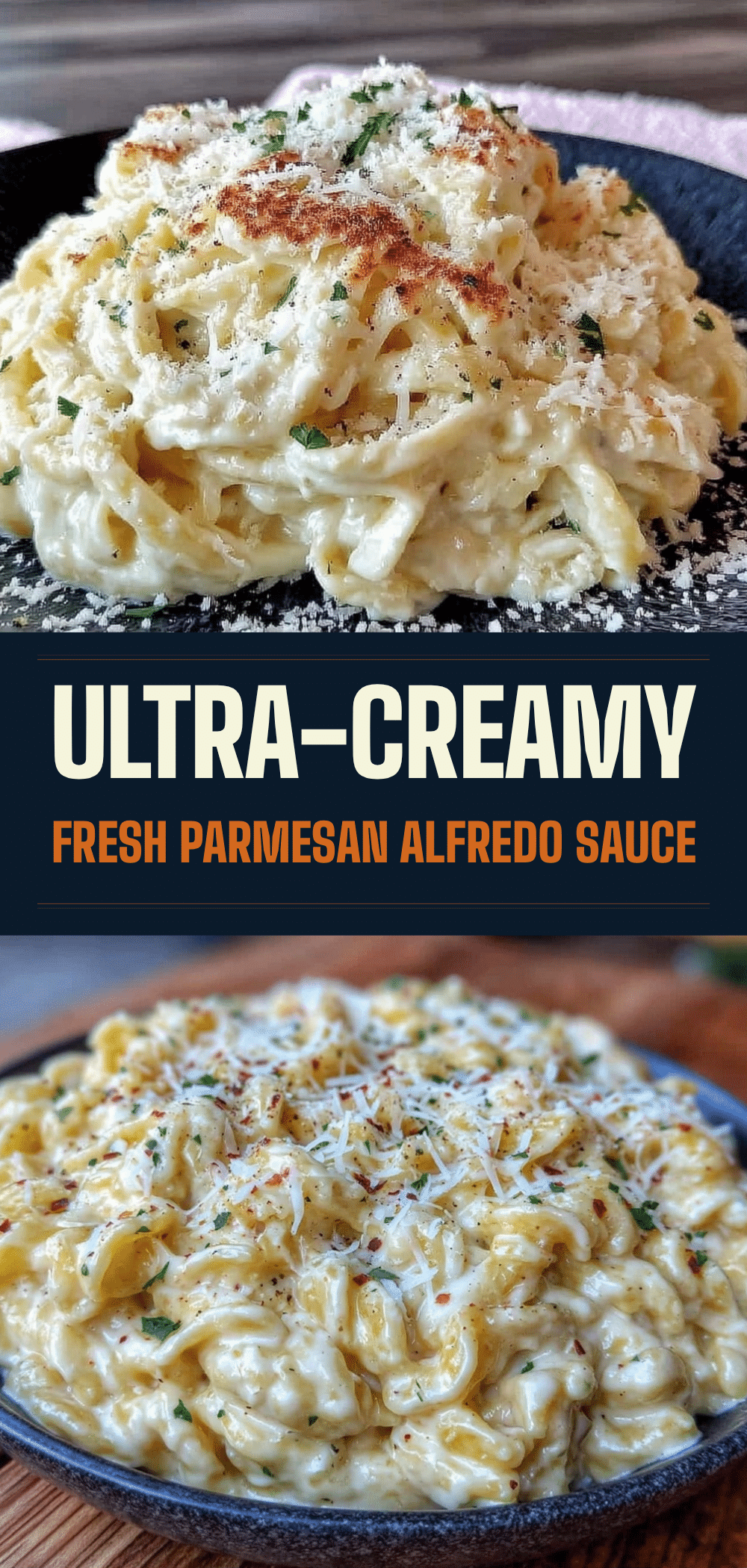

Ultra-Creamy Alfredo Sauce: 3-Ingredient Beginner-Friendly Recipe
- Total Time: 10 minutes
- Yield: 8 servings 1x
Description
A velvety, restaurant-quality Alfredo sauce made with just three core ingredients: heavy cream, butter, and freshly grated Parmesan. This foolproof recipe takes only 10 minutes and delivers a rich, glossy sauce that clings perfectly to pasta.
Ingredients
- 1/2 cup (113g) unsalted butter
- 2 cups (480ml) heavy cream
- 2 cups (200g) freshly grated Parmesan cheese (preferably Parmigiano-Reggiano)
- 2–3 cloves garlic, minced (optional)
- 1/4 teaspoon freshly cracked black pepper (optional)
- Salt to taste (optional)
- A tiny pinch of nutmeg (optional)
Instructions
- Grate 2 cups of Parmesan cheese and set it aside in a bowl near the stove.
- Place a medium saucepan over medium-low heat and add the butter. Melt slowly until foaming but not browned.
- Pour in the heavy cream and stir to combine. Bring to a gentle simmer with small bubbles around the edges; do not boil. Warm for about 2 minutes.
- Reduce heat to low. Add the grated Parmesan cheese one handful at a time, whisking constantly until each addition is mostly melted before adding the next. This should take about 3 minutes.
- Taste the sauce and season with black pepper, salt, and nutmeg if desired. If using garlic, sauté it in the butter before adding the cream or add it now.
- Serve immediately over cooked pasta, tossing well to coat. Reserve pasta water to thin the sauce if needed.
Notes
Do not use pre-grated cheese as it contains anti-caking agents that prevent smooth melting. Keep heat low when adding cheese to prevent separation. Reserve starchy pasta water to adjust consistency. This sauce is best made fresh; freezing is not recommended as dairy sauces may separate upon thawing.
- Prep Time: 2 minutes
- Cook Time: 8 minutes
- Category: Side Dish
- Cuisine: Italian
Nutrition
- Serving Size: 1/2 cup
- Calories: 280
- Sugar: 1
- Sodium: 350
- Fat: 26
- Saturated Fat: 16
- Carbohydrates: 3
- Protein: 10
Keywords: alfredo sauce, creamy pasta sauce, 3 ingredient recipe, beginner cooking, homemade alfredo, gluten-free sauce, weeknight dinner