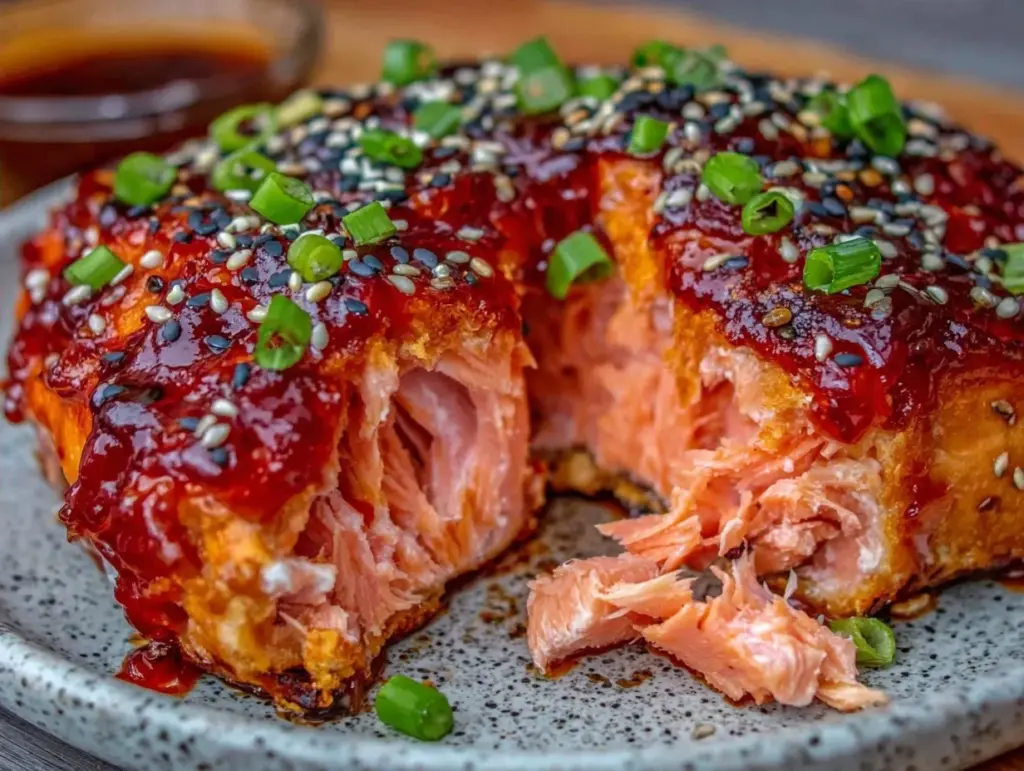
I have to confess something. Three years ago, I thought “glazing” a piece of fish was some fancy technique reserved for chefs who wore tall white hats and spoke in hushed, intimidating tones. I thought I’d need a whole pantry of exotic spices, a special basting brush, and probably a degree in chemistry to get it right. So, I stuck to baking salmon with a lemon slice and hoping for the best. It was fine. It was edible. It was boring.
Then I made this gochujang honey glazed salmon for the first time. I was half-asleep, looking for something fast, and I grabbed whatever was in my fridge. I mixed a little gochujang paste with honey, soy sauce, and garlic. I brushed it on. I threw it in the oven. I waited.
When that timer went off, the smell hit me first. It wasn’t just “fishy.” It was sweet, smoky, spicy, and deeply savory all at once. The first bite? I literally stopped chewing to stare at the ceiling. My partner took one bite, nodded once, and didn’t speak for the rest of the meal. That’s the highest compliment I’ve ever received.
That was the moment I realized I didn’t need fancy techniques. I just needed good flavor combinations. This gochujang honey glazed salmon is that combination. It’s sticky, it’s glossy, it’s got that perfect kick of heat, and it comes together so fast that you’ll wonder why you ever ordered takeout. I’ve made this at least fifteen times since that Tuesday night. It’s become my go-to “impress everyone without trying” dinner. Seriously, if you’re looking for a weeknight meal that feels gourmet but takes ten minutes of prep, this is it.
Why You’ll Love This Gochujang Honey Glazed Salmon
There are a lot of salmon recipes out there. I’ve tried them all. Some are too complicated, some are bland, and some just fall apart in the pan. This gochujang honey glazed salmon hits that sweet spot between easy and incredible. Here’s why I keep making it:
- Five Ingredients, Maximum Flavor — I’m not exaggerating. You literally need five items for the glaze itself. Gochujang, honey, soy sauce, garlic, and ginger. That’s it. You don’t need a spice rack. You don’t need to run to the store. The flavor is complex and layered, but the ingredient list is stupidly simple.
- Forgiving Cooking Method — I bake this in the oven. You can’t burn it easily. You can’t over-stir it. You just put it in, set a timer, and walk away. If you’re a beginner cook, this is the confidence builder you need. You really can’t mess this up.
- Sweet, Spicy, and Savory — The gochujang paste brings a fermented depth that’s hard to explain but easy to love. The honey balances the heat, and the soy sauce adds that salty umami punch. It’s the kind of flavor profile that makes people ask for the recipe immediately.
- Ready in Under 20 Minutes — From opening the jar to plating, it takes about 15-18 minutes. It’s fast enough for a random Tuesday but impressive enough for a date night. I often pair this with my spicy Korean gochujang chicken bowls for a full meal prep Sunday, but the salmon stands perfectly on its own.
- Healthy Without Being Boring — Salmon is packed with omega-3s. This glaze uses honey instead of refined sugar. It’s light, it’s clean, and it doesn’t leave you feeling sluggish afterward. It’s comfort food that actually makes you feel good.
This is the recipe I make when I want to feel like a good cook without actually *being* a good cook. It’s foolproof. It’s delicious. And once you try it, you’ll never go back to plain lemon salmon.
Ingredients You’ll Need
The beauty of this gochujang honey glazed salmon is that you probably have most of this already. It’s not a grocery list that breaks the bank. Here’s what you need and why each piece matters.
For the Salmon
Salmon fillets (4 pieces, about 6 oz each) — I buy wild-caught sockeye or atlantic salmon. Fresh is best, but frozen works if you thaw it properly in the fridge overnight. Pat them dry! Moisture is the enemy of a good glaze.
Neutral oil (1 tablespoon) — I use avocado oil or vegetable oil. You just need a little bit to grease the baking sheet or pan so nothing sticks. Olive oil works too, but its flavor might compete with the glaze.
For the Gochujang Glaze
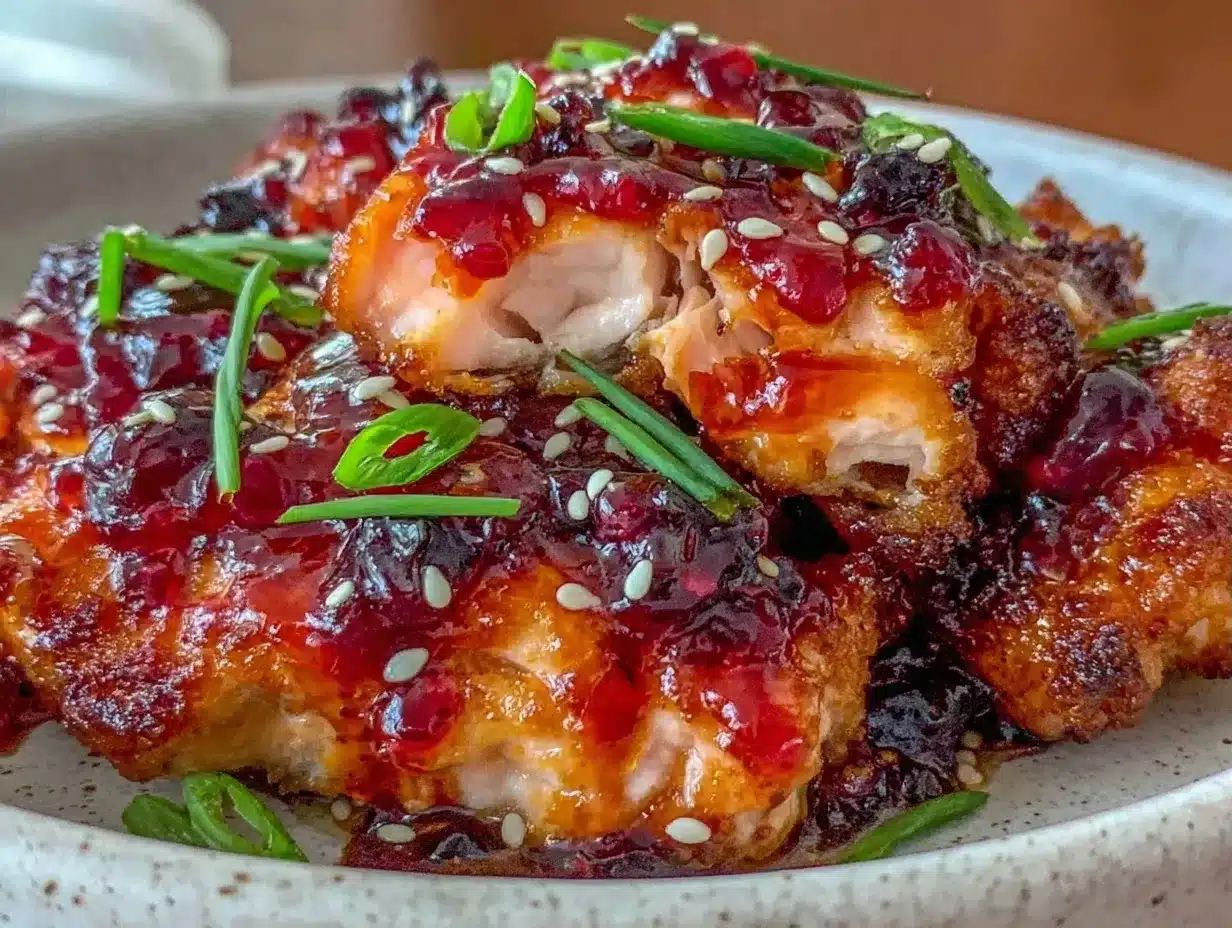
Gochujang paste (2 tablespoons) — This is the star. It’s a Korean fermented chili paste. It’s thick, red, and spicy-sweet. You can find it in the Asian aisle of most grocery stores. If you can’t find it, I’ve used smoky bourbon BBQ sauce in a pinch, but the flavor profile changes completely. Don’t skip this if you want the authentic taste.
Honey (3 tablespoons) — I use regular honey. It caramelizes beautifully in the oven. Maple syrup works too if you’re vegan, but honey gives that distinct sticky gloss.
Soy sauce (1 tablespoon) — I use low-sodium soy sauce because the gochujang is already salty. This adds the umami backbone. Tamari is a good gluten-free substitute.
Garlic (2 cloves, minced) — Fresh garlic is non-negotiable here. Jarred garlic has a metallic aftertaste that clashes with the honey. Just mince it finely.
Fresh ginger (1 teaspoon, grated) — Grate it on a microplane. It melts into the sauce instantly. Powdered ginger works in a pinch, but use only half the amount—it’s much stronger.
Rice vinegar or lime juice (1 teaspoon) — A splash of acid cuts through the richness of the salmon and the sweetness of the honey. Rice vinegar is traditional, but lime juice adds a nice citrusy zing if that’s what you have.
For Garnish
White sesame seeds (1 tablespoon) — Toasted is best, but raw works. It adds crunch and nuttiness.
Green onions (2, sliced thinly) — Adds a fresh, sharp bite to balance the sweet glaze. I love the color contrast too.
Optional: Chili flakes — If you like extra heat, sprinkle some on top after baking.
Equipment Needed
You don’t need a fancy kitchen for this. Here’s what I actually use:
- Baking sheet — I use a standard 13×18 inch rimmed baking sheet. Line it with parchment paper or foil for easy cleanup. The glaze gets sticky, and you’ll thank me later.
- Small mixing bowl — Just a ramekin or small bowl to whisk the glaze ingredients together.
- Basting brush — A silicone brush works best. It’s easy to clean and handles the thick gochujang paste well.
- Fork or tongs — For flipping or checking the salmon.
If you don’t have a baking sheet, you can use a cast-iron skillet or even an air fryer. I’ll share those methods in the tips section.
How to Make It: Step-by-Step
Alright, let’s make this. It’s so simple that you might feel like you’re cheating. I’m walking you through exactly how I do it, including the little tricks that keep it from falling apart.
Step 1: Prep the Oven and Pan (2 minutes)
Preheat your oven to 400°F (200°C). This temperature is high enough to cook the salmon quickly and caramelize the glaze without drying it out. Line your baking sheet with parchment paper. I use parchment because it’s foolproof—nothing sticks, and cleanup is a breeze. If you’re worried about waste, foil works too, but grease it well.
Step 2: Make the Glaze (3 minutes)
While the oven heats, grab that small bowl. Add the gochujang paste, honey, soy sauce, minced garlic, grated ginger, and rice vinegar. Whisk it together until it’s smooth. It should look like a thick, reddish-brown syrup. If it’s too thick, add a teaspoon of water. If it’s too thin, add a teaspoon more gochujang. You want it to coat the back of a spoon.
Step 3: Prep the Salmon (2 minutes)
Take your salmon fillets out of the fridge. Pat them dry with paper towels. This is crucial. If the salmon is wet, the glaze won’t stick, and it’ll steam instead of bake. Season lightly with salt and pepper on both sides. You don’t need much salt because the glaze is salty.
Step 4: Assemble and Bake (12-15 minutes)
Place the salmon fillets on the prepared baking sheet, skin-side down if they have skin. Brush the top of each fillet generously with the gochujang glaze. Don’t be shy with the sauce—it’s the best part.
Put the tray in the oven. Bake for 12-15 minutes. The exact time depends on the thickness of your fillets. A 6-ounce fillet usually takes 12 minutes. A thicker 8-ounce fillet might take 15. You’ll know it’s done when the salmon is opaque and flakes easily with a fork. The glaze should be bubbling and slightly caramelized around the edges.
Pro tip: If you like it extra sticky, broil for the last 1-2 minutes. Watch it like a hawk! Honey burns fast. You want it glossy, not black.
Step 5: Garnish and Serve (1 minute)
Take the tray out. Sprinkle with toasted sesame seeds and sliced green onions. The heat from the salmon will toast the seeds slightly, releasing their nutty aroma. Serve immediately.
Expert Tips & Tricks
Here’s everything I’ve learned from making this dozens of times. These tips will save you from my early mistakes.
Don’t Overcook It — Salmon continues to cook for a minute after you take it out of the oven. If it looks 90% done, pull it. Overcooked salmon is dry and rubbery. Undercooked is safe if it’s fresh, but overcooked is just sad.
Toast Your Sesame Seeds — Raw sesame seeds are fine, but toasted ones are a game-changer. Just pop them in a dry pan for 2 minutes until they smell nutty. It takes no extra effort and adds so much flavor.
Adjust the Heat — Gochujang varies in spiciness by brand. If you’re sensitive to heat, start with 1 tablespoon of gochujang and add more to taste. If you like it fiery, add a dash of sriracha or chili flakes to the glaze.
Air Fryer Option — I make this in the air fryer all the time. It cooks faster (8-10 minutes) and the glaze gets even crispier. Use 380°F and check early. Don’t crowd the basket.
Skillet Method — You can also sear this in a pan. Sear skin-side down for 4 minutes, flip, add the glaze, and cook for another 3-4 minutes. It’s faster but requires more attention.
Save the Leftover Glaze — If you have extra glaze, don’t throw it away. Brush it on veggies, stir it into rice, or use it as a dip for dumplings. It’s liquid gold.
Variations & Substitutions
Once you’ve nailed the basic version, here’s how you can mix it up. I’ve tried all of these.
Teriyaki Style — Swap gochujang for teriyaki sauce. It’s sweeter and less spicy. Great for kids.
Miso Glazed — Replace gochujang with white miso paste and add a bit more honey. It’s milder and deeply savory.
Spicy Peanut — Add a tablespoon of peanut butter to the glaze. It creates a rich, creamy, satay-like flavor.
Gluten-Free — Use tamari instead of soy sauce. Gochujang is often gluten-free, but check the label. Most brands are, but some contain wheat.
Vegan Option — This recipe is naturally vegan if you skip the salmon and use firm tofu or tempeh. Press the tofu, bake it, and glaze it the same way. It works surprisingly well.
Side Dish Pairings — I love serving this with loaded bacon ranch potato salad for a contrast of flavors, or just simple steamed rice and roasted broccoli. It’s versatile.
Serving & Storage
How to Serve: I usually serve this straight from the baking sheet for a rustic look. Pair it with jasmine rice, quinoa, or even cauliflower rice for a low-carb option. A simple cucumber salad cuts through the richness perfectly.
Refrigerator: Store leftovers in an airtight container for up to 3 days. The salmon will absorb more glaze, which is delicious but changes the texture slightly.
Reheating: Reheat gently in the microwave or a skillet with a splash of water. Don’t overheat it, or it’ll get dry. The oven at 350°F works well too, covered with foil.
Freezing: I don’t recommend freezing cooked salmon. It gets mushy. Freeze the raw salmon and glaze separately if you need to meal prep.
Nutrition Information
I’m not a nutritionist, but here’s the breakdown if you’re tracking. This is per serving (1 fillet with glaze).
| Nutrient | Amount |
|---|---|
| Calories | ~320 |
| Protein | 34g |
| Carbs | 12g |
| Fat | 16g |
| Fiber | 0g |
| Sugar | 10g |
It’s high in protein and healthy fats. The sugar comes from the honey, but it’s balanced by the fiber-free (but nutrient-dense) salmon. It’s a solid, balanced meal.
Final Thoughts
So that’s my gochujang honey glazed salmon! I know I’ve talked a lot about how simple it is, but that’s the point. You don’t need to be a pro to make something amazing. You just need the right combination of flavors.
This recipe has saved me on nights when I was too tired to think but still wanted to eat well. It’s my answer to “what’s for dinner” when I want something that feels special but requires zero effort. My family loves it, my friends ask for the recipe, and I make it on repeat.
Make it yours! Adjust the spice, add more veggies, or serve it with different grains. The best recipes are the ones you adapt. If you make this, drop a comment and let me know how it turned out. I love hearing how recipes work in your kitchen. And if something doesn’t work, tell me—I’m here to help.
Happy cooking! I hope your kitchen smells half as good as mine does right now.
Frequently Asked Questions
What is gochujang?
Gochujang is a Korean fermented chili paste. It’s thick, spicy, sweet, and savory. It’s a staple in Korean cooking. You can find it in the Asian aisle of most supermarkets or online. It’s different from sriracha or chili flakes—it has a deeper, fermented flavor.
Can I use frozen salmon?
Yes! Just thaw it completely in the fridge overnight. Pat it very dry before glazing. Frozen salmon can be watery, so drying it is key to getting a good glaze.
How do I know when the salmon is done?
Use the fork test. Gently press a fork into the thickest part. If it flakes easily and is opaque throughout, it’s done. The internal temperature should be 145°F (63°C), but I pull it at 135°F (57°C) because it carries over cooking.
Can I make this in the air fryer?
Absolutely. Preheat to 380°F. Cook for 8-10 minutes. Check early because air fryers vary. The glaze gets very crispy and delicious.
Is gochujang very spicy?
It has a moderate heat. It’s more about the fermented chili flavor than pure fire. If you’re sensitive to spice, start with less and add more. It’s not like eating a ghost pepper.
What sides go with this?
Steamed rice is classic. Roasted vegetables like asparagus or broccoli work great. A simple green salad with sesame dressing also complements the flavors well.
Can I double the recipe?
Yes! Just use a larger baking sheet or two sheets. Make sure the fillets aren’t touching so they bake evenly. The cooking time stays the same.
Pin This Recipe!
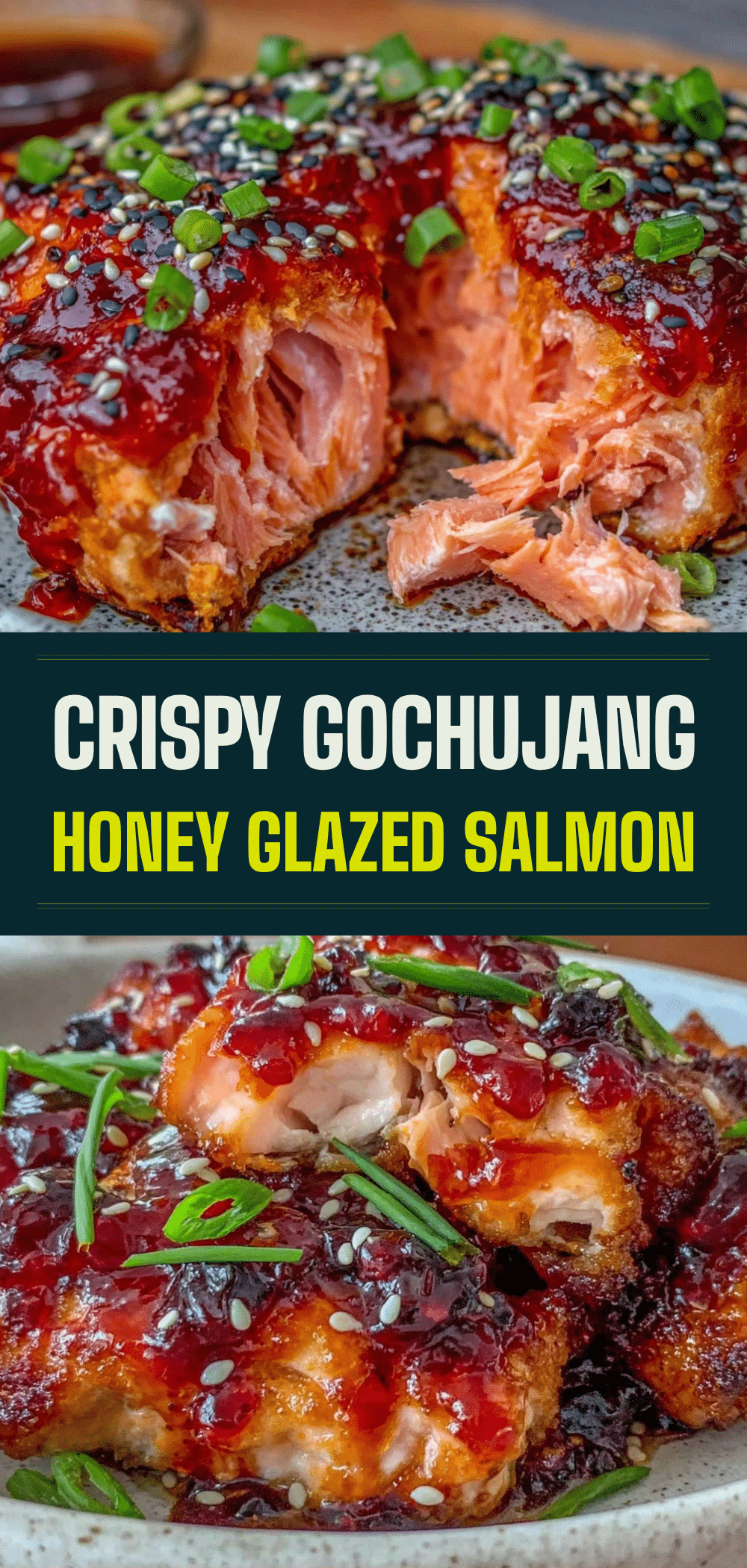
Gochujang Honey Glazed Salmon: Easy 5-Ingredient Beginner Dinner
- Total Time: 25 minutes
- Yield: 4 servings 1x
Description
A simple, foolproof weeknight dinner featuring salmon fillets baked with a sticky, sweet, and spicy gochujang honey glaze. Ready in under 20 minutes with just five main ingredients.
Ingredients
- 4 salmon fillets (about 6 oz each)
- 1 tablespoon neutral oil (avocado or vegetable)
- 2 tablespoons gochujang paste
- 3 tablespoons honey
- 1 tablespoon soy sauce (or tamari for gluten-free)
- 2 cloves garlic, minced
- 1 teaspoon fresh ginger, grated
- 1 teaspoon rice vinegar or lime juice
- Salt and pepper to taste
- 1 tablespoon white sesame seeds (toasted)
- 2 green onions, sliced thinly
- Optional: Chili flakes for extra heat
Instructions
- Preheat oven to 400°F (200°C). Line a 13×18 inch rimmed baking sheet with parchment paper or foil.
- In a small mixing bowl, whisk together gochujang paste, honey, soy sauce, minced garlic, grated ginger, and rice vinegar until smooth. Adjust consistency with water if too thick.
- Pat salmon fillets dry with paper towels. Season lightly with salt and pepper on both sides.
- Place salmon fillets skin-side down on the prepared baking sheet.
- Brush the top of each fillet generously with the gochujang glaze.
- Bake for 12-15 minutes, depending on thickness, until salmon is opaque and flakes easily with a fork.
- Optional: Broil for the last 1-2 minutes to caramelize the glaze, watching closely to prevent burning.
- Remove from oven and immediately sprinkle with toasted sesame seeds and sliced green onions.
- Serve immediately.
Notes
Pat salmon dry before glazing to ensure the sauce sticks and caramelizes rather than steaming. Gochujang spice levels vary by brand, so adjust quantity to taste. Leftover glaze can be used as a dip or sauce for veggies. Do not freeze cooked salmon as it becomes mushy.
- Prep Time: 10 minutes
- Cook Time: 15 minutes
- Category: Main Course
- Cuisine: Korean
Nutrition
- Serving Size: 1 fillet with glaze
- Calories: 320
- Sugar: 10
- Sodium: 600
- Fat: 16
- Saturated Fat: 2
- Carbohydrates: 12
- Protein: 34
Keywords: gochujang salmon, honey glazed salmon, easy dinner, 5 ingredient recipe, korean salmon, weeknight meal, healthy salmon, gluten-free option