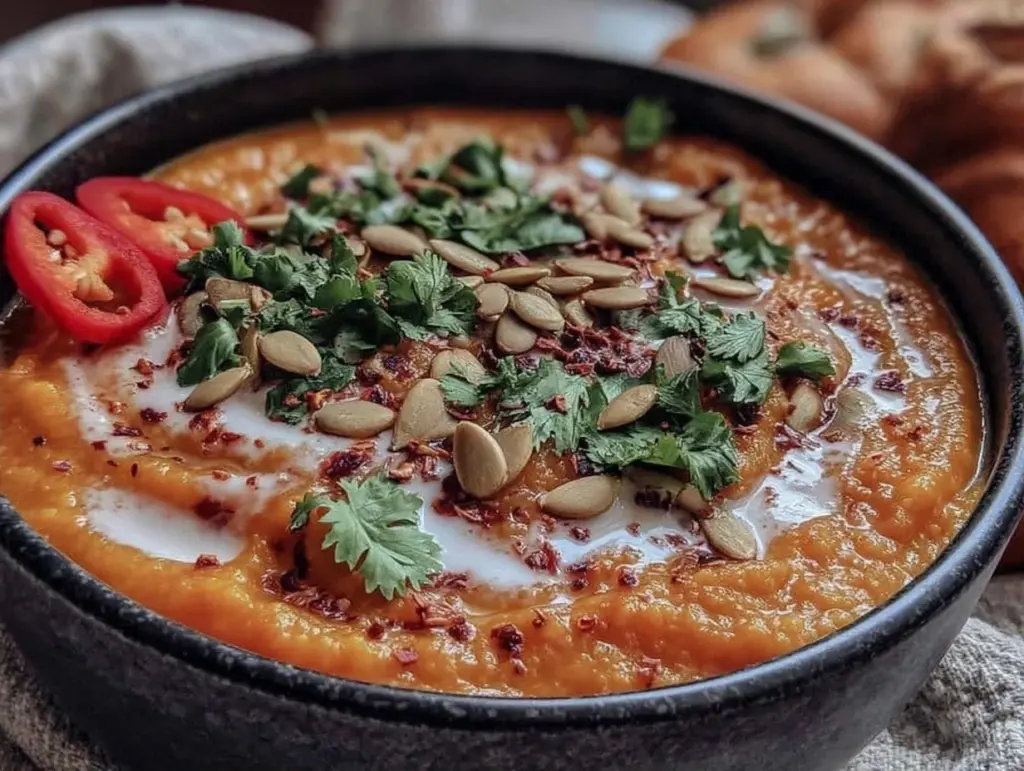
I have to be honest with you. Last November, I had one of those weeks where I wanted nothing more than to sit on my couch in a blanket burrito and eat a bowl of soup that tasted like a warm hug. Not a complicated, fancy soup. Not one with twelve different ingredients you have to hunt down. Just something creamy, comforting, and ridiculously easy.
I pulled out my biggest pot and decided to make my dairy-free coconut curry butternut squash soup. I’d made it a dozen times before, but this time, I actually paid attention to how simple it was. No sautéing onions until they cried. No complicated spice blends. No heavy cream to worry about ruining your diet or your digestion. Just squash, coconut milk, curry powder, and a blender.
It came out perfect. Orange, velvety, and packed with flavor. My husband took one bite, looked at me, and said, “You really can’t mess this up, can you?”
And that’s the truth. This soup is the ultimate beginner-proof recipe. If you can chop a vegetable and press a button on a blender, you can make this. I’ve tested this version with people who have never cooked a day in their lives, and they’ve all come back saying it was their best cooking win ever. It’s forgiving, it’s healthy, and it tastes like you spent hours on it (when you really only spent 30 minutes).
So, if you’re looking for a recipe that just works—every single time—this is it. Grab your spoon. Let’s make something amazing.
Why You’ll Love This Dairy-Free Coconut Curry Butternut Squash Soup
There are a lot of reasons to keep this soup in your rotation, but let’s be real about the big ones. This isn’t just “diet food” that tastes like cardboard. It’s rich, it’s savory, and it satisfies that creamy craving without any dairy.
Here’s why this dairy-free coconut curry butternut squash soup has become my go-to:
- Stupid Simple Ingredients — Seriously. You don’t need a pantry full of exotic spices. Curry powder, garlic, ginger, onion, squash, and coconut milk. That’s it. If you can read a grocery list, you can shop for this.
- Zero Skill Required — There’s no flipping, no timing delicate sauces, and no risk of burning. You chop, you boil, you blend. The blender does all the hard work. I’ve made this while distracted, and it still turned out perfect.
- Actually Creamy (Without Cream) — The coconut milk gives it that luxurious, rich texture that you usually only get from heavy cream. It’s silky and smooth, but it’s light enough that you won’t feel like a sloth after eating it.
- Perfect for Beginners — I’ve seen so many soup recipes that fail because the steps are too complex. This one? You literally can’t mess it up. Even if you undercook the squash slightly, the blender fixes it. It’s forgiving by design.
- Great Leftovers — This soup actually tastes better the next day. The flavors meld together, and it thickens up nicely. I make a big pot on Sunday and eat it for lunch all week. It reheats beautifully in the microwave.
This is the recipe I give people when they say, “I want to cook something healthy, but I’m scared of failing.” It’s your confidence booster in a bowl.
Ingredients You’ll Need
Here’s the best part: you probably have most of this already. This isn’t a recipe that requires a special trip to three different specialty stores. It’s pantry-friendly and straightforward.
For the Base
Butternut squash (1 large, about 3-4 lbs / 1.5 kg) — This is the star. You can buy it pre-cut in the store to save time (I do this sometimes when I’m lazy), but buying a whole one and peeling it yourself is cheaper and tastes fresher. Look for one that feels heavy for its size.
Coconut milk (2 cans / 400ml each) — Use full-fat canned coconut milk, not the carton stuff. You need the fat for that creamy texture. Shake the can well before opening. Light coconut milk will make this soup watery and thin.
Vegetable broth (4 cups / 950ml) — I use low-sodium so I can control the salt. Chicken broth works too if you’re not vegetarian, but vegetable broth keeps it fully vegan-friendly.
Onion (1 medium, chopped / about 150g) — Yellow onion is standard, but white onion works too. Red onion is a bit too sharp for this. Just chop it roughly; it’ll get blended later.
For the Flavor

Curry powder (2 tablespoons) — This is the main flavor driver. Use a good quality curry powder. I prefer a Madras-style curry powder for a bit of heat, but mild curry powder works if you’re sensitive to spice. Don’t use curry paste unless you want a very different flavor profile.
Garlic (4 cloves, minced / about 2 tablespoons) — Fresh garlic is essential here. Jarred garlic has a metallic taste that clashes with the delicate sweetness of the squash. Mince it yourself—it takes two minutes.
Fresh ginger (1 tablespoon, grated) — This adds a nice zing. Grate it with a microplane. If you don’t have fresh ginger, you can use 1 teaspoon of ground ginger, but fresh is better.
Maple syrup (1 tablespoon) — Just a touch to balance the spice and enhance the natural sweetness of the squash. Agave nectar works too. You don’t want it sweet like dessert, just a hint of background sweetness.
Lime juice (1 tablespoon) — This is the secret weapon. The acidity cuts through the richness of the coconut milk and brightens everything up. Don’t skip it.
Salt and black pepper — To taste. I usually use about 1 teaspoon of salt, but adjust based on your broth.
Optional Add-ins
Red bell pepper (1, chopped) — Adds a nice pop of color and sweetness. I throw this in sometimes for extra veggies.
Red curry paste (1 teaspoon) — If you like it spicy, add a teaspoon of red curry paste with the garlic. It amps up the heat significantly.
Chili flakes — For serving. If you like your soup with a kick, sprinkle these on top.
Equipment Needed
You don’t need fancy equipment for this. Here’s what I actually use.
Large pot or Dutch oven — I use a 6-quart pot. It needs to fit the squash and broth comfortably. My old stainless steel pot works fine. Just make sure it has a lid.
Sharp knife — For chopping the squash and onion. A dull knife will slip on the squash and hurt you. Learn this lesson early. Use a sturdy chef’s knife.
Peeler — A standard vegetable peeler works, but a Y-peeler is easier for the tough skin of the butternut squash.
Blender — This is key. An immersion (stick) blender works too and saves you from transferring hot soup, but a regular countertop blender makes it extra smooth. If you use a countertop blender, be careful with hot liquids—blend in batches and vent the lid.
Measuring cups and spoons — Standard stuff. Dollar store versions work fine.
Wooden spoon — For stirring. Silicone works too.
Colander — Not strictly needed, but useful if you want to rinse your veggies.
How to Make It: Step-by-Step
Alright, let’s make this! I’m walking you through exactly how I do it, including the little tricks I’ve picked up.
Step 1: Prep Your Squash (10 minutes)
This is the only slightly technical part, but it’s easy. Cut the top off the butternut squash to remove the stem. Then, cut it in half crosswise. The bottom part is the bulb—peel the skin off with your peeler and scoop out the seeds. The neck part is the long tube—peel and chop that too. Chop everything into 1-inch cubes. Uniform pieces cook evenly, so try to keep them similar in size. Don’t stress if some are bigger; the blender will fix it.
Step 2: Sauté the Aromatics (5 minutes)
Heat a tablespoon of oil (coconut or olive) in your large pot over medium heat. Add the chopped onion and cook for 3-4 minutes until it’s soft and translucent. Add the minced garlic and grated ginger. Cook for 1 more minute, stirring constantly. The kitchen should start smelling amazing. Don’t let the garlic burn—it gets bitter fast.
Step 3: Add the Squash and Liquid (2 minutes)
Throw in the cubed squash, curry powder, and a pinch of salt. Stir it all together for 1 minute to toast the spices slightly. This step releases the flavors in the curry powder. Then, pour in the vegetable broth and the coconut milk. Stir well. The liquid should just barely cover the squash. If it doesn’t, add a little more broth or water.
Step 4: Simmer Until Tender (15 minutes)
Bring the soup to a boil, then reduce the heat to low. Cover the pot and let it simmer for 15-20 minutes. Check the squash with a fork. It should be fork-tender, meaning the fork goes in easily with no resistance. If it’s still hard, cook for another 5 minutes. Don’t rush this step; undercooked squash will make a grainy soup.
Step 5: Blend Until Smooth (2 minutes)
Remove the pot from the heat. If you’re using a countertop blender, ladle the soup into the blender in batches. Add the lime juice and maple syrup. Blend on high until completely smooth. This takes about 1-2 minutes. If you’re using an immersion blender, just stick it in the pot and blend until smooth. Watch out for splashes!
Step 6: Adjust and Serve
Taste the soup. Does it need more salt? A pinch more. Too spicy? Add a splash of coconut milk. Too thick? Add a little more broth. Adjust to your liking. Serve hot, topped with a drizzle of coconut cream, fresh cilantro, and chili flakes if you like.
Total Time: About 30 minutes (10 minutes active, 20 minutes simmering).
Expert Tips & Tricks
Here’s everything I’ve learned from making this dozens of times. These tips will save you from my mistakes.
Don’t Skip the Lime Juice
I know it seems small, but the lime juice is what makes this soup taste “restaurant-quality” instead of “homemade.” It cuts the richness and wakes up the flavors. Add it at the end, right before blending, so the flavor stays bright.
Use Full-Fat Coconut Milk
I tried using light coconut milk once because I was trying to be “healthy.” The soup was thin and watery. It lacked that creamy mouthfeel. Use the full-fat canned stuff. It’s worth it.
Toast Your Spices
Cooking the curry powder with the onions and garlic for a minute before adding the liquid really boosts the flavor. Raw curry powder tastes dusty. Toasted curry powder tastes aromatic and deep.
Blend Thoroughly
If you want a silky smooth soup, blend it longer than you think you need to. I blend mine for a full 2 minutes to ensure there are no lumps. If you like texture, blend less, but for this recipe, smooth is best.
Safety First with Hot Blenders
If you use a countertop blender, never fill it more than halfway with hot soup. The steam can blow the lid off and burn you. Blend in batches, and hold the lid down with a towel.
Variations & Substitutions
Once you’ve nailed the basic version, here’s how you can mix it up. I’ve tried all of these.
Spicy Version
Add 1 teaspoon of red curry paste or a diced jalapeño with the garlic. It adds a nice heat that balances the sweetness.
Green Curry Version
Swap the yellow curry powder for green curry paste. It’s more aromatic and usually spicier. Use about 2 tablespoons of paste.
Vegetable Boost
Add 1 cup of chopped spinach or kale in the last 5 minutes of simmering. It wilts right in and adds nutrients. Or throw in some chickpeas for protein.
Protein Add-in
This soup is vegetarian as-is, but you can add shredded chicken, tofu cubes, or edamame to make it a full meal. I add tofu sometimes for a heartier texture.
Different Squash
You can use acorn squash or kabocha squash instead of butternut. Kabocha is sweeter and nuttier. Acorn is a bit more earthy. Both work great.
Serving & Storage
How to Serve:
I usually serve this straight from the blender into bowls. It looks beautiful on its own, but here are some toppings I love:
- Fresh cilantro or green onions
- A drizzle of coconut cream
- Red chili flakes
- Crushed peanuts or cashews for crunch
It pairs well with crusty bread or a simple green salad. I also like to serve it with creamy chicken and wild rice soup as a comparison—both are comfort foods, but this one is lighter and dairy-free.
Storage:
Store leftovers in an airtight container in the fridge for up to 5 days. The soup thickens in the fridge, which is normal.
Reheating:
Reheat gently on the stove over low heat, adding a splash of broth or water to thin it out. You can microwave it too, but stir frequently to avoid hot spots. Don’t boil it vigorously, or the coconut milk might separate.
Freezing:
Yes, you can freeze this soup! Let it cool completely, then freeze in freezer-safe containers for up to 3 months. Thaw in the fridge overnight and reheat gently. The texture might be slightly different, but it’s still delicious.
Nutrition Information
I’m not a nutritionist, but here’s the breakdown if you’re tracking.
Per Serving (based on 6 servings):
- Calories: 280
- Protein: 5g
- Carbs: 35g
- Fiber: 6g
- Sugar: 12g
- Fat: 14g
- Saturated Fat: 11g
- Sodium: 450mg
What’s Good:
High in fiber and vitamins A and C. It’s naturally dairy-free and vegan-friendly. The squash provides great antioxidants.
What to Know:
It’s higher in saturated fat from the coconut milk, but it’s natural plant-based fat. If you’re watching saturated fat, you can use light coconut milk, but the texture won’t be as creamy.
My Take:
This is comfort food that’s actually good for you. It’s not a diet recipe, but it’s whole-food based and satisfying. I eat a reasonable portion and enjoy it without guilt.
Final Thoughts
So that’s my go-to dairy-free coconut curry butternut squash soup! I’ve probably talked your ear off at this point, but when you make a recipe this often, you have a lot to say about it.
This has saved weeknight dinners more times than I can count. It’s my answer to “what’s for dinner” when I want something warm and healthy but don’t have the energy for a complex meal. My family loves it, and it’s become a staple in our house.
Make it yours! Try different toppings, adjust the spice level, or add extra veggies. The best recipes are the ones you adapt to your tastes. If you make this, drop a comment and let me know what you think! I love hearing how recipes turn out in your kitchen.
Happy cooking! And I hope your kitchen smells half as good as mine does right now.
Frequently Asked Questions
Can I use frozen butternut squash?
Yes! Frozen cubed butternut squash works perfectly. You don’t even need to thaw it. Just add it to the pot and simmer for an extra 5 minutes to make sure it’s fully tender. It’s a great shortcut.
Why did my soup separate?
If the soup looks oily or separated, it’s usually because it was boiled too vigorously after adding the coconut milk. Coconut milk can break if it’s heated too high. Keep it at a gentle simmer, and if it separates, blend it again to emulsify it.
Can I make this in a slow cooker?
Absolutely. Sauté the onions, garlic, and ginger in a pan first (don’t skip this step for flavor), then add everything to the slow cooker. Cook on low for 6-7 hours or high for 3-4 hours. Blend at the end. It’s very hands-off.
Is this soup spicy?
It depends on your curry powder. Most yellow curry powders are mild to medium. If you want it mild, use a mild curry powder and skip the chili flakes. If you like heat, add red curry paste or jalapeños.
Can I use regular milk instead of coconut milk?
You can, but it won’t be creamy or dairy-free. If you want dairy-free, you can use oat milk or cashew milk, but they won’t be as rich as coconut milk. For a creamy texture, canned coconut milk is the best option.
How long does this soup last?
It lasts up to 5 days in the fridge. It actually tastes better after a day or two as the flavors meld. Just remember to thin it out when reheating.
Pin This Recipe!
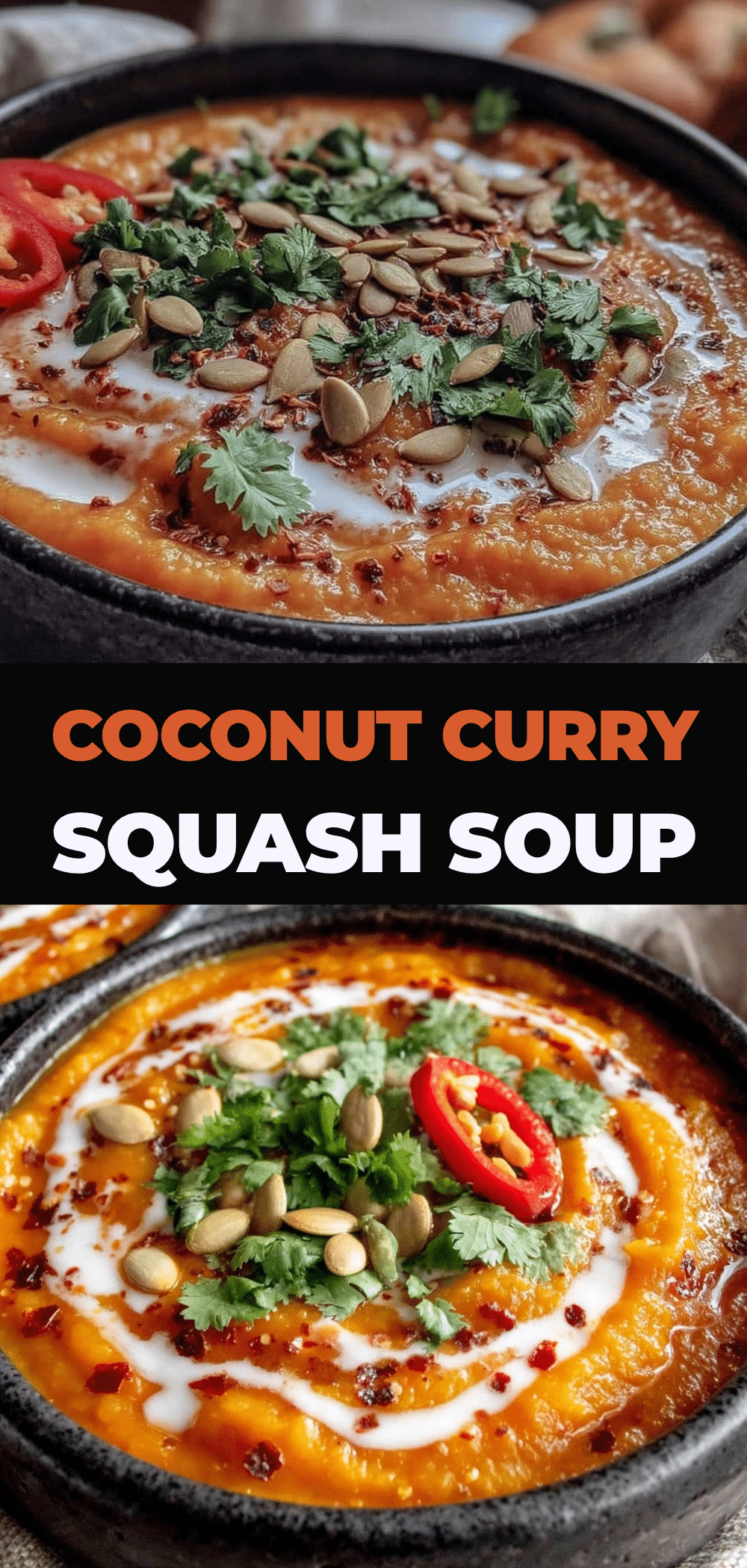

Dairy-Free Coconut Curry Butternut Squash Soup
- Total Time: 30 minutes
- Yield: 6 servings 1x
Description
A foolproof, creamy, and comforting dairy-free soup made with butternut squash, coconut milk, and curry powder. It requires minimal ingredients and skill, making it perfect for beginners.
Ingredients
- 1 large butternut squash (about 3–4 lbs / 1.5 kg), peeled and cubed
- 2 cans (400ml each) full-fat coconut milk
- 4 cups (950ml) vegetable broth (low-sodium)
- 1 medium onion, chopped
- 2 tablespoons curry powder
- 4 cloves garlic, minced
- 1 tablespoon fresh ginger, grated
- 1 tablespoon maple syrup
- 1 tablespoon lime juice
- 1 teaspoon salt (or to taste)
- Black pepper to taste
- 1 tablespoon oil (coconut or olive) for sautéing
- Optional: 1 red bell pepper, chopped
- Optional: 1 teaspoon red curry paste
- Optional: Chili flakes for serving
Instructions
- Prep the squash: Cut off the top, halve it, peel the skin, remove seeds, and chop the flesh into 1-inch cubes.
- Sauté aromatics: Heat oil in a large pot over medium heat. Add chopped onion and cook for 3-4 minutes until soft. Add garlic and ginger, cooking for 1 more minute.
- Add squash and spices: Add cubed squash, curry powder, and a pinch of salt. Stir for 1 minute to toast the spices.
- Simmer: Pour in vegetable broth and coconut milk. Bring to a boil, then reduce heat to low, cover, and simmer for 15-20 minutes until squash is fork-tender.
- Blend: Remove from heat. Add lime juice and maple syrup. Blend until smooth using an immersion blender or countertop blender (in batches if using countertop).
- Adjust and serve: Taste and adjust seasoning with salt or pepper. Serve hot with toppings like cilantro, coconut cream, or chili flakes.
Notes
Use full-fat canned coconut milk for the best creamy texture. Toasting the curry powder before adding liquid enhances flavor. If using a countertop blender, blend hot soup in batches and vent the lid to avoid steam burns. The soup thickens in the fridge; thin with broth when reheating.
- Prep Time: 10 minutes
- Cook Time: 20 minutes
- Category: Soup
- Cuisine: Asian-Inspired
Nutrition
- Serving Size: 1 bowl
- Calories: 280
- Sugar: 12
- Sodium: 450
- Fat: 14
- Saturated Fat: 11
- Carbohydrates: 35
- Fiber: 6
- Protein: 5
Keywords: dairy-free, vegan, butternut squash soup, coconut curry, easy soup, healthy dinner, gluten-free, comfort food