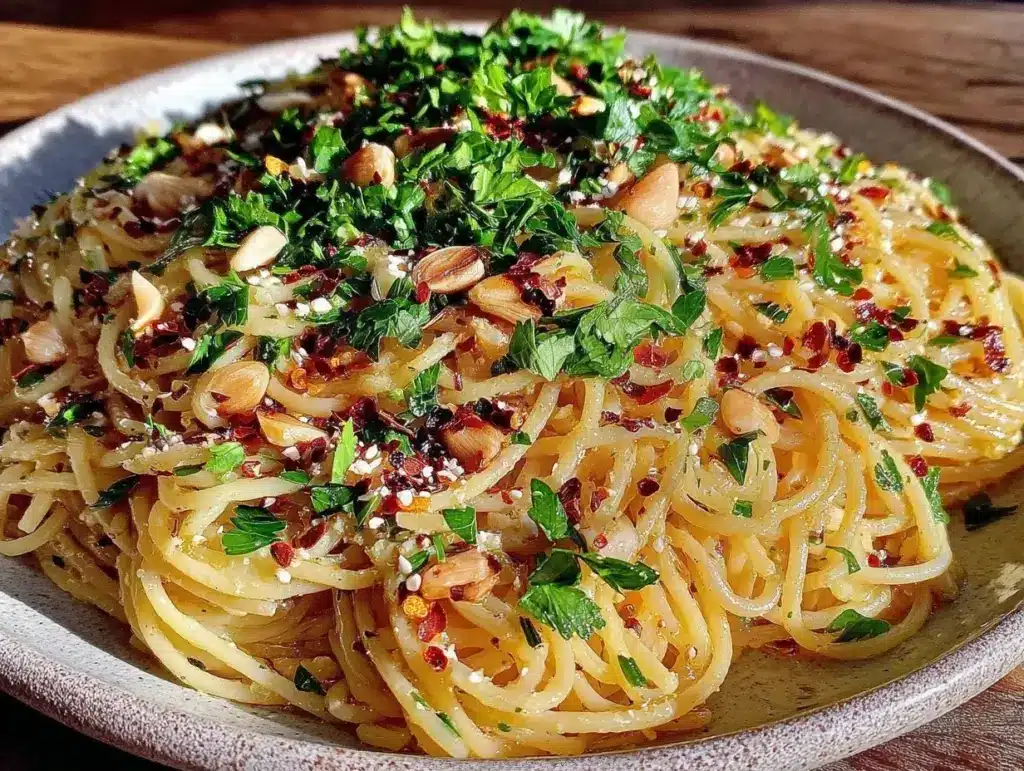
I used to think that “simple” meant “boring.” For years, I was the person who felt like a dinner wasn’t worth making unless it had at least seven ingredients, a marinade that needed to sit in the fridge overnight, and a dish to wash that looked like it came from a restaurant kitchen. Then came a Tuesday night when I was broke, exhausted, and staring into a pantry that contained exactly two things: a half-empty bag of spaghetti and a jar of olive oil that I’d been meaning to use for months.
I was about to order takeout. I really was. But then I remembered my nonna’s kitchen in Sicily, where meals were built around what was on hand. She didn’t have time for fancy techniques; she had flavor. So I tossed the spaghetti in the pot, threw in a mountain of garlic, and drizzled that olive oil over it all with a pinch of red pepper flakes. I was nervous. It felt like cheating. It felt too easy to be a real meal.
But when I took that first bite—garlic golden and nutty, pasta perfectly slippery, oil coating every strand like a warm hug—I knew I’d found something special. This Pasta Aglio e Olio isn’t just a backup plan for empty pantries. It is, hands-down, the most reliable dinner I own. It’s the dish I make when I don’t want to think. It’s the dish that makes my family ask, “Why don’t we eat this every night?” And the best part? You can’t mess it up. If you can boil water and slice garlic, you can make restaurant-quality Italian food at home.
Why You’ll Love This Recipe
There’s a reason this dish has survived for centuries without changing much. It respects the ingredients, it respects your time, and it respects your sanity. Here’s why this Pasta Aglio e Olio has earned a permanent spot in my weekly rotation:
- It’s Foolproof Simplicity — Seriously. Five ingredients. No fancy sauces to break, no complex timing. If you can follow a timer, you can make this. I’ve taught my teenage nephew to make this over video calls, and he’s never failed.
- Pantry-Friendly — You likely have everything you need right now. Olive oil, garlic, spaghetti, red pepper flakes, and Parmesan. That’s it. No weird spices you’ll only use once a year. It’s the ultimate low-stress dinner.
- Flavor Over Effort — People think simple means bland. Not this. Sautéed garlic in olive oil creates a deep, nutty, savory base that tastes like you spent hours simmering. It’s rich, comforting, and deeply satisfying without feeling heavy.
- Quick Cleanup — One pot for pasta, one pan for sauce. Maybe two if you’re being precise. That’s it. No dirty blender, no multiple bowls of prep. Just rinse and go. This is cooking for people who hate doing dishes as much as they love eating.
- Infinitely Adaptable — Once you master the base, you can throw in anything. I love it with just the basics, but sometimes I add crispy bacon or toss in some grilled peach and burrata flavors (okay, maybe not literally, but the idea of fresh summer vibes applies!). It’s a blank canvas for your creativity.
This is the “if you can only make one thing, make this” recipe. It’s comforting, it’s fast, and it tastes like you actually tried. Which, honestly, is the best kind of cooking.
Ingredients You’ll Need
Here’s the beauty of this Pasta Aglio e Olio: the ingredient list is short enough to fit on a napkin. But because there are so few components, quality matters. I’m not saying you need gold-plated olive oil, but don’t use the cheapest stuff in the back of the cupboard. Treat these five ingredients with a little respect, and they’ll treat you like royalty.
The Core Five
Spaghetti (8 oz / 225g) — Long pasta is non-negotiable here. The sauce needs length to cling to. I use Barilla or De Cecco because they hold up well. Angel hair is too fragile and gets mushy fast. Linguine works too, but spaghetti is the classic choice for a reason.
Extra Virgin Olive Oil (½ cup / 120ml) — This is your sauce base. Use the good stuff. I keep a bottle of mild extra virgin olive oil for cooking and a fancy one for drizzling at the end. For this recipe, a high-quality, fruity extra virgin is perfect. Don’t skimp here; the oil is half the flavor.
Garlic (6-8 cloves, thinly sliced) — Yes, that many. And yes, you need to slice it, not mince it. Slicing creates more surface area for the garlic to toast evenly without burning. I use a sharp knife and just go for it. If you’re scared of the knife, a garlic chopper works, but slicing gives you that perfect golden crispness.
Red Pepper Flakes (1-2 teaspoons) — This adds the kick. I start with one teaspoon for mild heat and add more if I’m feeling spicy. If you’re sensitive to heat, start with half a teaspoon. The oil will infuse with the spice, so it’s a gentle warmth, not a fireball.
Parmesan Cheese (½ cup / 50g, freshly grated) — I know, purists say Aglio e Olio is vegetarian and shouldn’t have cheese. I say eat what makes you happy. Freshly grated Parmesan adds a salty, umami punch that ties everything together. Buy a block and grate it yourself. Pre-grated cheese has anti-caking agents that won’t melt properly, and that ruins the texture.
Salt (for pasta water) — You’ll need plenty for boiling the pasta. The water should taste like the sea. This seasons the pasta from the inside out.
Optional Add-Ins (Because Why Not?)
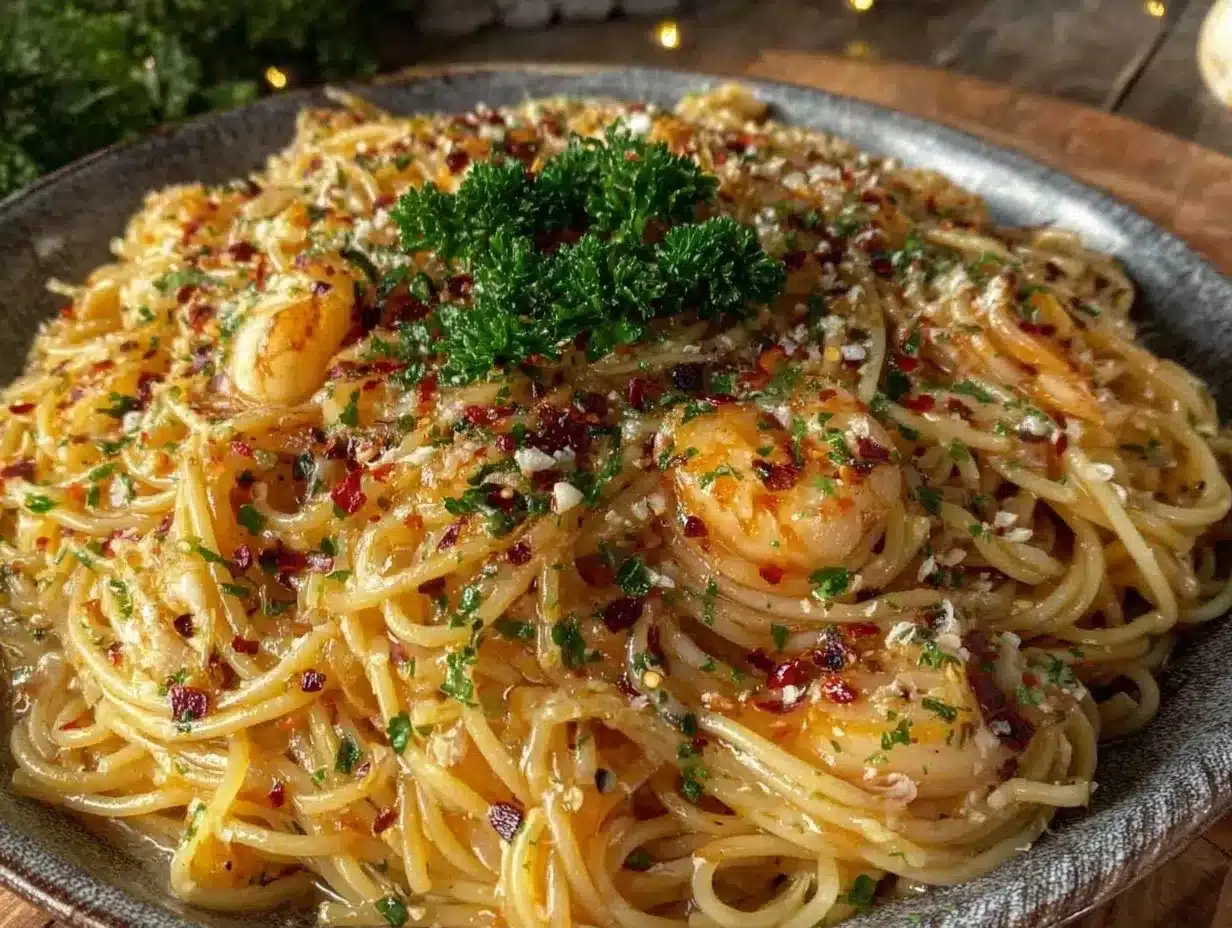
While the traditional recipe is just those five, I sometimes jazz it up. I’ve added crispy bacon bits, which pair beautifully with the garlic. If you want to keep it vegetarian, I love adding crispy potatoes for crunch, or even some sautéed spinach. But honestly? The simple version is so good that I rarely feel the need to add anything else.
Equipment Needed
You don’t need a fancy kitchen for this. Here’s what I actually use:
- Large Pot — For boiling the pasta. I use a 6-quart pot. It needs to fit the spaghetti comfortably so it cooks evenly.
- Large Skillet or Sauté Pan — 10-12 inches is ideal. I prefer stainless steel or cast iron because they heat evenly, but non-stick works fine too. This is where the magic happens.
- Tongs — For tossing the pasta in the sauce. Forks work, but tongs give you better control.
- Sharp Knife & Cutting Board — For slicing the garlic. A dull knife will crush the garlic and make it bitter. Sharp is better.
- Measuring Spoons — For the red pepper flakes. Eyeballing is okay, but if you’re new to this, measuring helps you learn your heat tolerance.
- Microplane or Box Grater — For the Parmesan. A microplane makes super-fine shreds that melt instantly.
That’s it. No food processor, no stand mixer, no fancy gadgets. Just basic tools you probably already have in your drawer.
How to Make It: Step-by-Step
Alright, let’s make this! I’m walking you through exactly how I do it. It’s simple, but there are a few tricks that make the difference between “okay” and “amazing.”
Step 1: Slice the Garlic (2 minutes)
Peel your garlic cloves and slice them thinly. I like uniform slices so they cook at the same rate. If you slice them too thick, the outsides burn before the insides are done. Too thin, and they burn instantly. Medium-thin is the sweet spot. Set them aside on a plate.
Step 2: Start the Pasta Water (5 minutes)
Fill your large pot with water and add a generous amount of salt. I use about 1 tablespoon of kosher salt per quart of water. Bring it to a rolling boil. While you wait, get your skillet ready.
Step 3: Infuse the Oil (5-7 minutes)
While the water is heating, pour the olive oil into your skillet over medium-low heat. Once the oil is warm (not smoking!), add the sliced garlic and red pepper flakes. Stir gently. This is the most critical step. You want the garlic to turn golden blonde and smell incredible. This takes about 5-7 minutes. Do not rush it! If the heat is too high, the garlic will burn and turn bitter. Low and slow is the way to go. Watch it closely. When it smells nutty and the edges are just starting to crisp, you’re there.
Step 4: Cook the Pasta (8-10 minutes)
Once the water is boiling, add the spaghetti. Cook it according to the package directions, but check it 1 minute early. You want it al dente (firm to the bite). IMPORTANT: Before you drain the pasta, scoop out 1 cup of the starchy pasta water and set it aside. This liquid gold is what helps the oil cling to the pasta.
Step 5: Combine and Emulsify (2 minutes)
Transfer the hot pasta directly from the pot to the skillet with the garlic oil. Do not rinse the pasta! Add a splash of that reserved pasta water (start with ¼ cup). Toss everything vigorously with tongs. The starch in the water will mix with the oil to create a creamy, glossy sauce that coats every strand. Keep tossing for a minute or two. If it looks dry, add more pasta water. If it looks too soupy, keep tossing until it reduces.
Step 6: Finish and Serve (1 minute)
Remove the skillet from the heat. Sprinkle the freshly grated Parmesan over the top and toss again. The residual heat will melt the cheese slightly without making it clumpy. Taste and adjust salt if needed. Serve immediately with extra red pepper flakes and a drizzle of fresh olive oil on top.
Total Time: About 20 minutes (mostly waiting for water to boil).
Expert Tips & Tricks
Here’s everything I’ve learned from making this dozens of times. These tips will save you from my early mistakes.
Watch the Garlic Like a Hawk
Garlic goes from perfect to burnt in about 10 seconds. If you leave it to tend to other things, it will burn. Keep the heat on medium-low and stir every 30 seconds. If it starts to brown too fast, move the skillet to a cooler burner or take it off the heat for a moment.
Use the Pasta Water
I can’t stress this enough. The starchy water is what turns oil and garlic into a sauce. Without it, you have oily pasta. With it, you have a creamy, cohesive dish. Add it gradually—you can always add more, but you can’t take it away.
Don’t Burn the Garlic
Dark brown or black garlic tastes bitter and ruins the whole dish. You want pale gold. If you see dark edges, your heat is too high. Next time, lower it. It’s better to under-toast than to burn.
Grate Your Own Cheese
Pre-grated cheese is coated in cellulose to prevent clumping. That stuff doesn’t melt; it just sits there. A block of Parmesan grates in seconds and melts into the hot pasta like butter. It’s worth the extra 30 seconds.
Serve Immediately
This dish waits for no one. The pasta continues to absorb the sauce as it sits. Serve it right away while the garlic is crisp and the cheese is melty. If you have to hold it, keep it warm in a low oven, but try not to let it sit for more than 5 minutes.
Variations & Substitutions
Once you’ve nailed the basic version, here’s how you can mix it up. I’ve tried all of these, and they’re all winners.
Protein-Packed Version
Add crispy bacon or pancetta. Cook it in the skillet before adding the oil, then remove it and set aside. Add the garlic to the rendered fat and oil mixture. Toss the crispy meat back in at the end. It’s salty, smoky, and delicious. I also love adding shrimp for a seafood twist—just sauté them quickly before adding the pasta.
Veggie-Loaded Version
Toss in a handful of fresh spinach or arugula in the last minute of tossing. The heat wilts it perfectly. Or add sautéed mushrooms for an earthy flavor. I sometimes add roasted roasted vegetables for extra bulk, though that changes the vibe a bit.
Lemon Garlic
Add the zest of one lemon and a squeeze of juice right at the end. It brightens the heavy garlic flavor and makes it feel lighter. Great for spring dinners.
Gluten-Free
Use your favorite gluten-free spaghetti. The technique is the same. I’ve used Barilla GF and it holds up well if you don’t overcook it.
Serving & Storage
How to Serve:
I usually serve this straight from the skillet at the dinner table—it looks rustic and stays warm. Pair it with a simple green salad with balsamic vinaigrette to cut through the richness. A loaf of crusty bread is also perfect for soaking up any extra oil on the plate.
Storage:
Leftovers can be stored in an airtight container in the fridge for up to 3 days. The pasta will absorb most of the sauce, so it’ll look dry. That’s normal.
Reheating:
Don’t microwave it dry! Add a splash of water or broth to the pasta before reheating. I prefer reheating it in a skillet over low heat, adding a little extra olive oil to refresh the sauce. Stir frequently until warm. It won’t be quite as crisp as fresh, but it’s still good.
Freezing:
I don’t recommend freezing this. The garlic flavor can become overpowering after freezing, and the texture of the pasta suffers. It’s best made fresh.
Nutrition Information
I’m not a nutritionist, but here’s the breakdown if you’re tracking. Keep in mind that this is a calorie-dense dish because of the olive oil, but it’s also satisfying, so you might not eat as much as you think.
Per Serving (based on 4 servings):
- Calories: 450
- Protein: 12g
- Carbs: 55g
- Fiber: 3g
- Fat: 20g
- Sodium: 350mg
This is comfort food. It’s not a diet recipe. But it’s made with simple, recognizable ingredients, and it’s way better than takeout. When I want to lighten it up, I use less oil and add more veggies. But usually? I just enjoy it and move on.
Final Thoughts
So that’s my go-to Pasta Aglio e Olio! It’s simple, it’s cheap, and it tastes like heaven. I’ve made this recipe more times than I can count, and it never gets old. It’s the dish I make when I want to feel like a good cook without actually trying hard. It’s forgiving, it’s fast, and it’s delicious.
Make it yours! Add your favorite veggies, swap in different cheeses, or adjust the spice level. The best recipes are the ones you adapt to your tastes. If you make this, drop a comment and let me know how it turned out! I love hearing how recipes work in your kitchen. And if something doesn’t work, tell me—I’m here to help.
Happy cooking! And I hope your kitchen smells half as good as mine does right now.
Frequently Asked Questions
Can I use whole garlic cloves instead of sliced?
You can, but the texture won’t be the same. Slicing allows the garlic to toast evenly and create little crispy bits that add great texture. Whole cloves will just get soft and mushy. If you hate the idea of garlic bits, you can infuse the oil with whole cloves and then remove them, but you’ll miss out on the classic Aglio e Olio experience.
Why did my sauce separate?
If the sauce looks oily and watery, you probably didn’t use enough pasta water or didn’t toss enough. The starch in the water is what emulsifies the oil. Add more pasta water and toss vigorously. The friction helps the oil and water bind together into a creamy sauce.
Can I make this ahead for a dinner party?
Sort of. You can prep the garlic and measure the oil ahead of time. But cook the pasta fresh right before serving. Pasta continues to cook and absorb sauce, so pre-cooked pasta can get mushy. I’d rather have 10 minutes of active cooking than deal with sad, clumpy pasta.
Why did my garlic burn?
Garlic burns easily because it’s thin and has natural sugars. If your heat was too high, or if you left it unattended, it will burn. Burnt garlic is bitter and cannot be saved. Next time, keep the heat on medium-low and stir frequently. It’s better to under-cook slightly than to burn.
Can I use butter instead of olive oil?
You can, but it changes the flavor profile completely. Aglio e Olio is meant to be light and oily. Butter can work, but it can also burn faster. If you use butter, add it at the end with the cheese for richness, but start with olive oil for the garlic infusion. Some people use a mix of both, which is delicious too.
Is this recipe gluten-free?
The sauce is naturally gluten-free! Just make sure to use gluten-free pasta. Check your red pepper flakes and Parmesan to ensure they don’t have hidden gluten (though this is rare). It’s a great option for gluten-free diets.
Pin This Recipe!
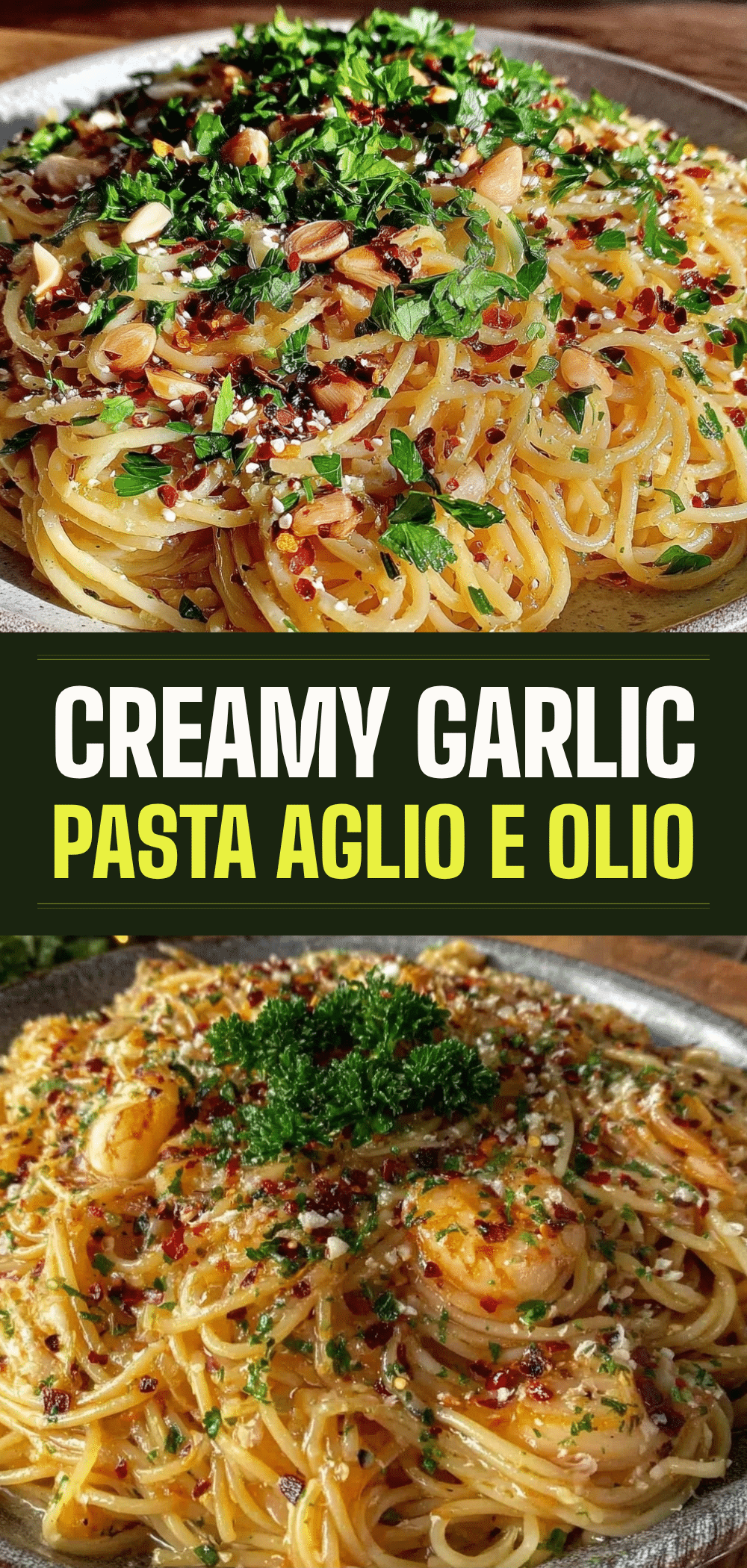
Pasta Aglio e Olio: Easy, 5-Ingredient Dinner
- Total Time: 20 minutes
- Yield: 4 servings 1x
Description
A foolproof, pantry-friendly Italian classic made with just five ingredients. This quick dinner features golden garlic, spicy olive oil, and perfectly cooked spaghetti, ready in about 20 minutes.
Ingredients
- 8 oz (225g) Spaghetti
- 1/2 cup (120ml) Extra Virgin Olive Oil
- 6–8 cloves Garlic, thinly sliced
- 1–2 teaspoons Red Pepper Flakes
- 1/2 cup (50g) Parmesan Cheese, freshly grated
- Salt (for pasta water)
Instructions
- Slice the garlic cloves thinly and set aside on a plate.
- Fill a large pot with water, add a generous amount of salt (about 1 tablespoon per quart), and bring to a rolling boil.
- While the water heats, pour olive oil into a large skillet over medium-low heat. Add the sliced garlic and red pepper flakes.
- Stir gently and cook the garlic for 5-7 minutes until it turns golden blonde and smells nutty. Do not let it burn.
- Add the spaghetti to the boiling water and cook until al dente, checking 1 minute early. Before draining, scoop out 1 cup of starchy pasta water and set aside.
- Transfer the hot pasta directly to the skillet with the garlic oil. Do not rinse the pasta.
- Add a splash of reserved pasta water (start with 1/4 cup) and toss vigorously with tongs to emulsify the oil and water into a creamy sauce.
- Remove the skillet from heat. Sprinkle grated Parmesan over the top and toss again until melted.
- Taste and adjust salt if needed. Serve immediately with extra red pepper flakes and a drizzle of fresh olive oil.
Notes
Watch the garlic closely as it burns easily; keep heat on medium-low. Use starchy pasta water to emulsify the sauce. Serve immediately as pasta continues to absorb sauce. Do not freeze leftovers as texture suffers.
- Prep Time: 5 minutes
- Cook Time: 15 minutes
- Category: Main Course
- Cuisine: Italian
Nutrition
- Serving Size: 1 plate per serving
- Calories: 450
- Sugar: 2
- Sodium: 350
- Fat: 20
- Saturated Fat: 6
- Carbohydrates: 55
- Fiber: 3
- Protein: 12
Keywords: pasta aglio e olio, garlic pasta, italian dinner, easy pasta recipe, 5 ingredient dinner, vegetarian pasta, weeknight dinner, simple recipes


