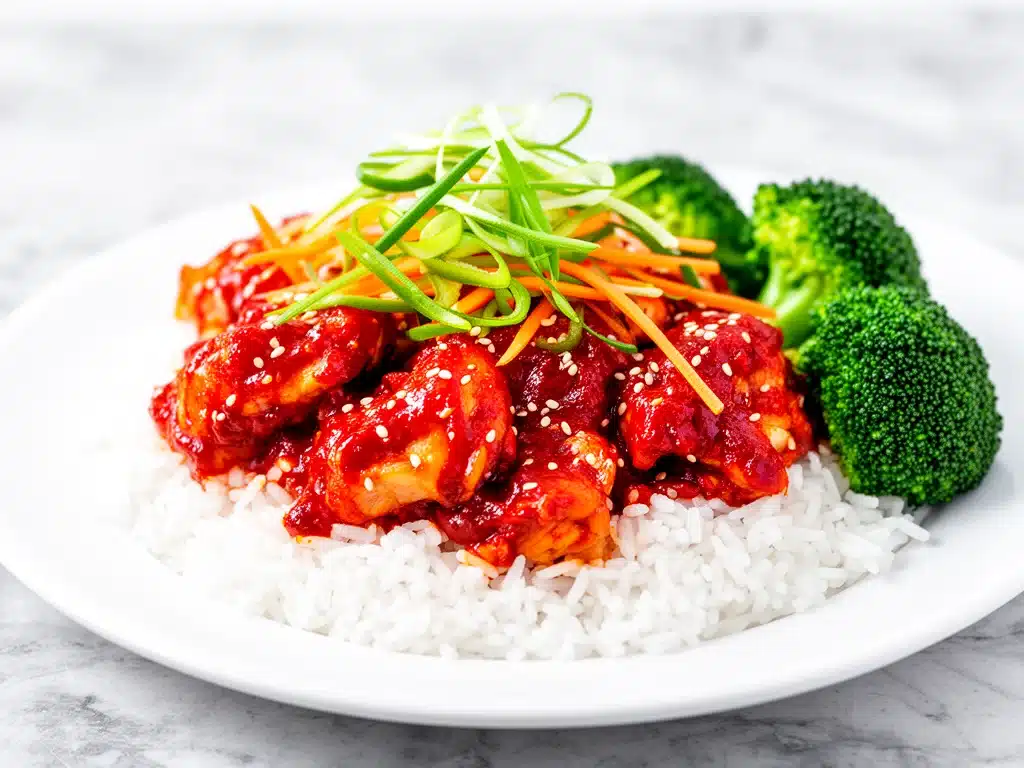
One rainy Thursday evening, I found myself staring at a nearly empty fridge and a looming “what’s for dinner” panic creeping in. I wasn’t in the mood for complicated cooking or hitting the drive-thru yet again. Then I spotted a jar of gochujang sitting quietly on the shelf, leftover from a takeout experiment gone slightly awry. I’d been meaning to figure out how to use it properly, and that night was the night. After a few tweaks and a lot of taste-testing (I may have licked the spoon more times than I’d admit), these Spicy Korean Gochujang Chicken Bowls were born.
They’re packed with big, bold flavor but made with just five simple ingredients. No fuss, no fancy sauces, just honest cooking with ingredients you probably already have or can grab easily at the store. I’ve made this recipe more times than I can count since then, and it’s become my go-to weeknight meal when I want something spicy, satisfying, and downright addictive.
Here’s the thing: Korean food can sometimes feel intimidating, but this recipe strips it down to the essentials without sacrificing any of the punch. If you love a little heat and crave that perfect balance of sweet, spicy, and savory, this Spicy Korean Gochujang Chicken Bowls recipe is about to become your new favorite.
Why You’ll Love This Recipe
This recipe has completely changed my weeknight dinner game, and here’s why:
- Ridiculously Simple — Just five main ingredients, and I mean real ingredients, not those long lists of unpronounceable stuff. If you can sauté chicken and mix a sauce, you’re all set.
- Lightning Fast — From fridge to table in about 25 minutes. Perfect for those nights when you’re juggling work, kids, or just don’t want to spend forever cooking.
- Big Flavor, Minimal Effort — The gochujang sauce brings that signature Korean heat and umami without needing a dozen extra sauces or marinades.
- Customizable Bowls — Serve it over rice, noodles, or even greens. Add whatever veggies you have on hand, and you’re good to go.
- Great for Meal Prep — I make a batch on Sunday, portion it out, and have ready-to-eat lunches that pack a punch all week long.
This dish hits the spot every time. It’s spicy but balanced with a bit of sweetness, and the chicken stays tender and juicy. Honestly, it’s the kind of meal that makes you look forward to leftovers.
Ingredients You’ll Need
Here’s the best part: you probably have most of these already. I’m pretty picky about the gochujang brand I use because it really affects the flavor, so I’ll explain why and what you can swap.
- Chicken thighs (1 pound / 450g, boneless, skinless) — I prefer thighs for this recipe because they stay juicy and have more flavor than breasts. If you only have breasts, they’ll work, but watch cooking time to avoid drying out.
- Gochujang (3 tablespoons / 45g) — This is Korean red chili paste, and it’s the star here. Look for a reputable brand like Chung Jung One or CJ. It’s spicy, slightly sweet, and fermented, which adds depth. No good substitute, but if you must, mix chili paste with a bit of miso and honey.
- Soy sauce (2 tablespoons / 30ml) — Use low-sodium if you want to control salt. Adds that savory, salty kick.
- Honey (1 tablespoon / 21g) — Balances the heat with sweetness. Maple syrup or brown sugar can work in a pinch, but honey gives the best texture.
- Garlic (3 cloves, minced / about 1 tablespoon) — Fresh garlic is non-negotiable here. It wakes up the sauce and adds pungent warmth.
- Cooked rice (4 cups / about 800g) — For serving. White, brown, jasmine, or short grain all work. Leftover rice is perfect.
Optional add-ins: sliced green onions, sesame seeds, steamed or sautéed veggies like broccoli or carrots. I toss in whatever’s left in my fridge to make it a full meal.
Equipment Needed
You don’t need fancy tools for this recipe. Here’s what I actually use:
- Large skillet or frying pan — A 12-inch stainless steel or non-stick skillet works great. I use my trusty cast iron when I want a bit of extra sear.
- Sharp knife — For chopping garlic and slicing chicken. Trust me, dull knives only make things harder and more dangerous.
- Cutting board — Any size works. I prefer plastic for easy cleaning after raw chicken.
- Measuring spoons — For accuracy, especially with the gochujang and soy sauce.
- Wooden spoon or spatula — For stirring the sauce without scratching your pan.
Optional but helpful: A garlic press if you want to save time mincing garlic, but I usually just chop it. A rice cooker makes the rice part effortless, but a pot with a tight lid works fine.
How to Make It: Step-by-Step
Alright, let’s make this! I’m walking you through exactly how I do it, including the little tricks I’ve picked up.
Step 1: Prep Your Ingredients (5 minutes)
Start by mincing your garlic and slicing the chicken thighs into bite-sized pieces. This helps them cook quickly and soak up all that flavorful sauce. Measure out your gochujang, soy sauce, and honey. If you want to add green onions or sesame seeds as garnish, prep those now too.
Step 2: Cook the Chicken (6-8 minutes)
Heat a large skillet over medium-high heat and add a splash of oil (vegetable or canola works best here). Add the chicken pieces in a single layer—don’t overcrowd the pan or they’ll steam instead of sear. Cook without moving for 3-4 minutes until the edges turn golden and crispy. Flip and cook another 3-4 minutes until cooked through. The chicken should be juicy and slightly caramelized.
Step 3: Make the Sauce (2 minutes)
Lower the heat to medium and push the chicken to one side of the pan. Add the minced garlic to the empty side and sauté for about 30 seconds until fragrant but not brown. Then stir in the gochujang, soy sauce, and honey. Mix everything together so the chicken gets well coated in the spicy sauce. The sauce will thicken slightly as it heats.
Step 4: Combine and Simmer (3 minutes)
Give the whole pan a good stir so every piece of chicken is covered. Let it simmer for 2-3 minutes to meld the flavors and thicken the sauce. If it looks too thick, splash in a tablespoon of water to loosen it up.
Step 5: Serve the Bowls (2 minutes)
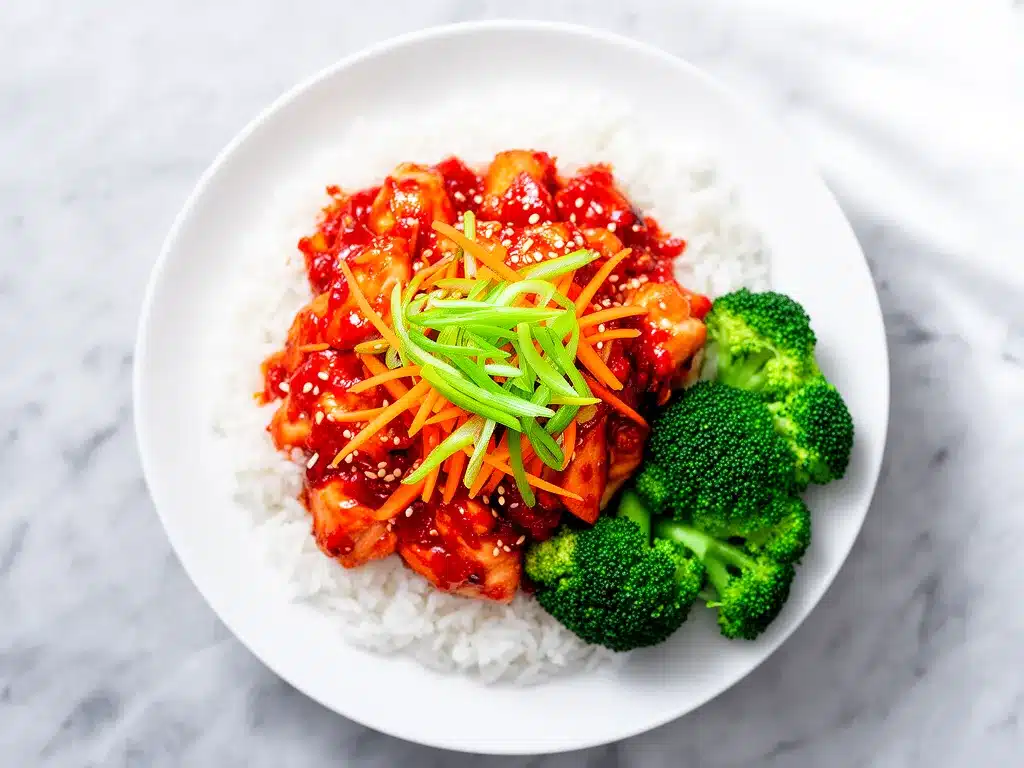
Spoon steaming cooked rice into bowls and top with the spicy gochujang chicken. Sprinkle with sliced green onions and sesame seeds if you have them. I like a drizzle of toasted sesame oil on top too, but that’s totally optional.
Total time: About 25 minutes from start to finish, with less than 15 minutes active cooking.
Expert Tips & Tricks
I’ve made this dish a dozen times, and here’s what I’ve learned so you don’t have to make the same mistakes I did:
- Don’t rush the sear. Let the chicken develop a nice golden crust before flipping. That caramelization adds so much flavor.
- Use chicken thighs. They’re forgiving and stay tender even if you slightly overcook them, unlike breasts.
- Balance the heat. If you’re sensitive to spice, start with 2 tablespoons of gochujang and add more after tasting.
- Fresh garlic matters. Jarred garlic just doesn’t pack the same punch. I usually mince mine with a sharp knife—takes two minutes.
- Leftover rice is your friend. It holds up better and won’t get mushy under the sauce.
- Add veggies. I toss in steamed broccoli or sautéed bell peppers for color and nutrition.
- Make it your own. For a richer sauce, add a teaspoon of toasted sesame oil at the end, or a splash of rice vinegar for tang.
Variations & Substitutions
Once you’ve nailed the basic recipe, here are some fun ways to switch things up. I’ve tried all of these with great results:
- Spicy Korean Gochujang Chicken Bowls with Veggies — Add steamed or roasted broccoli, snap peas, or carrots to your bowls for extra crunch and color.
- Chicken Gochujang Noodle Bowls — Swap rice for cooked ramen or soba noodles for a different texture. Toss the noodles with a little sesame oil before adding chicken.
- Spicy Gochujang Tofu Bowls — For a vegetarian twist, substitute chicken with firm tofu, pressed and cubed. Pan-fry until crispy before adding sauce.
- Mild Version — Cut the gochujang in half and add more honey to balance the heat for kids or sensitive eaters.
- Meal Prep Friendly — Make extra chicken and sauce, store separately from rice, and combine before reheating for quick lunches.
If you want to try a creamy twist, this dish pairs surprisingly well with a touch of a creamy pumpkin sauce—I actually mixed a bit of that creaminess into the sauce once and ended up inspired to make creamy pumpkin alfredo pasta next. It’s a fun crossover of flavors if you’re feeling adventurous!
Serving & Storage
I usually serve these bowls straight from the skillet to keep everything warm and inviting. They’re perfect on their own but go great with:
- Simple cucumber salad or kimchi for a fresh, tangy contrast
- Steamed greens, like bok choy or spinach, for a veggie boost
- Garlic bread if you want to mix flavors wildly (I’m a fan of carb combos)
For storage, put leftovers in an airtight container in the fridge for up to 4 days. The sauce thickens when cold, but a quick reheat in a skillet with a splash of water or broth brings it right back to saucy perfection.
Microwaving works too, but I recommend heating in short bursts and stirring in between to avoid drying out. This recipe doesn’t freeze well because the sauce tends to separate, so I stick to fridge storage.
If you’re prepping meals for the week, cook the sauce ahead and store separately from rice. When ready to eat, just reheat both and combine—it takes 5 minutes tops.
Nutrition Information
I’m not a nutritionist, but here’s a rough breakdown per serving (based on 4 servings):
| Calories | Protein | Carbs | Fat | Sodium |
|---|---|---|---|---|
| 360 | 28g | 35g | 8g | 700mg |
This recipe packs decent protein thanks to the chicken and is moderate in carbs from the rice. The fat content is mostly from the chicken thighs and a little oil, and sodium can be adjusted by using low-sodium soy sauce. Adding vegetables boosts fiber and nutrients.
Bottom line: It’s a balanced meal that feels indulgent without going overboard. When I want lighter, I add more veggies and reduce rice. But usually, I just enjoy it as is—comfort food with a spicy kick.
Final Thoughts
So that’s my easy 5-ingredient Spicy Korean Gochujang Chicken Bowls recipe! I’ve probably talked your ear off, but when you find a recipe this simple and flavorful, you’ve got to share all the details.
This dish has saved my weeknights more times than I can count. It’s my answer to “what’s for dinner” when I want something fast, spicy, and satisfying without breaking the bank or spending hours in the kitchen. My family loves it, and it’s flexible enough to please picky eaters and spice lovers alike.
Make it yours! Add extra garlic, toss in your favorite veggies, swap rice for noodles. The best meals are the ones you tweak until they’re perfect for you.
If you make this recipe, drop a comment below and tell me how it turned out! I love hearing how these bowls come together in your kitchen. And if you hit a snag, just ask—I’m here to help.
Happy cooking! And may your kitchen smell as amazing as mine does right now.
Frequently Asked Questions
Q: Can I use chicken breast instead of thighs?
A: You can, but chicken breasts dry out more easily. Slice them thinly and watch the cooking time closely—about 4-5 minutes total. Thighs are my favorite because they stay juicy and flavorful.
Q: What if I don’t have gochujang?
A: Gochujang is pretty unique, but if you’re in a pinch, try mixing 1 tablespoon chili paste or sriracha with 1 teaspoon miso paste and 1 teaspoon honey. It won’t be exactly the same, but it captures some of the spicy-sweet depth.
Q: Can I make this recipe vegan?
A: Yes! Swap chicken for firm tofu or tempeh, and use tamari or coconut aminos instead of soy sauce. Make sure your gochujang is vegan (some brands add non-vegan ingredients). The flavors still shine through.
Q: How spicy is this dish?
A: It has a medium kick—spicy but not overwhelming. If you’re sensitive to heat, reduce the gochujang to 2 tablespoons and add more honey. If you love spice, feel free to add a pinch of red pepper flakes.
Q: Can I double this recipe?
A: Absolutely! Just use a larger skillet or cook in batches to avoid crowding the pan. The cooking times stay about the same.
Q: What’s the best way to reheat leftovers?
A: Gently reheat in a skillet over low heat with a splash of water or broth to loosen the sauce. Stir frequently until warmed through. Microwaving works too, but do it in short bursts and stir to avoid drying out.
Q: Can I add vegetables to the sauce?
A: Definitely! I love adding broccoli, bell peppers, or snap peas in the last few minutes of cooking. They add freshness and texture, making the bowl more balanced.
By the way, if you ever want to switch up your weeknight dinners with something cozy and slow-cooked, my slow cooker apple cider pulled pork is a hands-off favorite. Or for a comforting pasta night, my creamy pumpkin alfredo pasta is an indulgent twist worth trying.
Pin This Recipe!
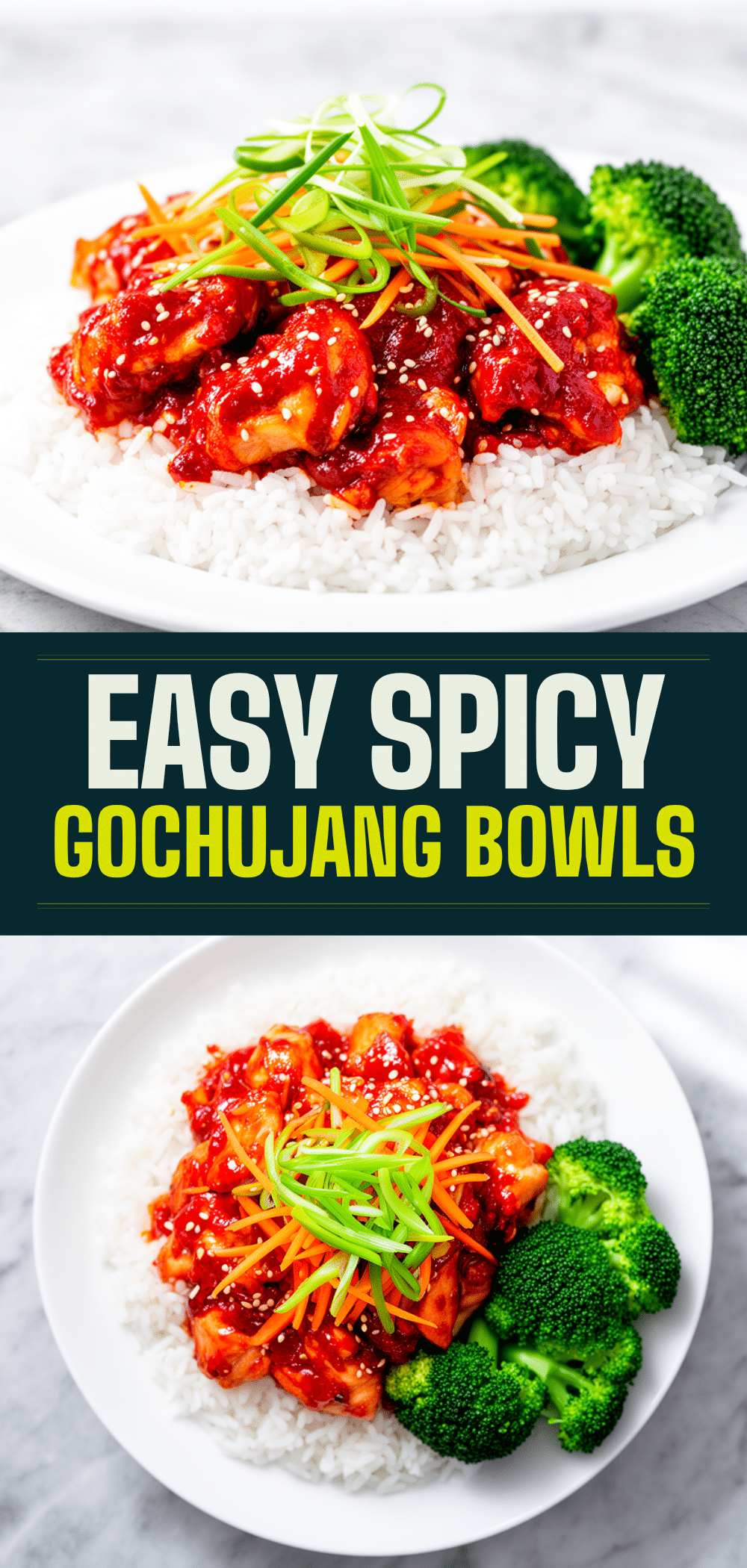
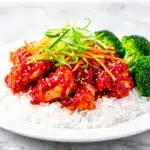
Spicy Korean Gochujang Chicken Bowls
- Total Time: 25 minutes
- Yield: 4 servings 1x
Description
A quick and easy 5-ingredient meal featuring juicy chicken thighs coated in a spicy, sweet, and savory gochujang sauce, served over rice. Perfect for weeknight dinners with bold Korean flavors.
Ingredients
- 1 pound boneless, skinless chicken thighs
- 3 tablespoons gochujang (Korean red chili paste)
- 2 tablespoons soy sauce (low-sodium recommended)
- 1 tablespoon honey
- 3 cloves garlic, minced (about 1 tablespoon)
- 4 cups cooked rice (white, brown, jasmine, or short grain)
- Optional: sliced green onions, sesame seeds, steamed or sautéed veggies like broccoli or carrots
Instructions
- Mince garlic and slice chicken thighs into bite-sized pieces. Measure out gochujang, soy sauce, and honey. Prepare optional garnishes if using.
- Heat a large skillet over medium-high heat and add a splash of vegetable or canola oil. Add chicken pieces in a single layer without overcrowding. Cook 3-4 minutes until edges are golden and crispy, then flip and cook another 3-4 minutes until cooked through.
- Lower heat to medium. Push chicken to one side of the pan. Add minced garlic to the empty side and sauté for about 30 seconds until fragrant but not brown.
- Stir in gochujang, soy sauce, and honey. Mix well to coat the chicken. Let the sauce thicken slightly as it heats.
- Stir everything together and let simmer for 2-3 minutes to meld flavors and thicken sauce. Add a tablespoon of water if sauce is too thick.
- Spoon cooked rice into bowls and top with the spicy gochujang chicken. Garnish with sliced green onions and sesame seeds if desired. Optionally drizzle with toasted sesame oil.
Notes
Do not overcrowd the pan to ensure proper searing. Use chicken thighs for juiciness and flavor. Adjust gochujang amount to control spice level. Leftover rice works best to avoid mushiness. Add vegetables like broccoli or bell peppers for extra nutrition and color. Toasted sesame oil or rice vinegar can be added for extra flavor.
- Prep Time: 5 minutes
- Cook Time: 20 minutes
- Category: Main Course
- Cuisine: Korean
Nutrition
- Serving Size: 1 bowl (approximatel
- Calories: 360
- Sodium: 700
- Fat: 8
- Carbohydrates: 35
- Protein: 28
Keywords: gochujang chicken, Korean chicken bowls, spicy chicken recipe, easy weeknight dinner, 5-ingredient meal, Korean food, chicken thighs, quick dinner